 Article Writer
Africa as the Solar Farms Hub and EV Industry Powerhouse
The global transition toward a decarbonized economy has placed Africa at the center of the renewable energy revolution. With its vast sun-drenched landscapes and unparalleled mineral wealth, the continent is no longer just a participant in the green shift; it is becoming the primary engine. In 2026, the vision of Africa as the Solar Farms Hub is rapidly materializing, creating a symbiotic relationship with the burgeoning Electric Vehicle (EV) industry. This dual-sector growth offers a generational opportunity for global investors to participate in the continent’s industrial transformation.
At Yes! Invest Africa, we believe that the intersection of solar energy and EV manufacturing represents the most bankable frontier in emerging markets. By leveraging its geographic advantages and critical raw materials, Africa is uniquely positioned to lead the global supply chain for clean energy and sustainable mobility.
Why Africa is Destined to be the World’s Solar Hub
Africa receives more consistent and intense solar irradiation than any other continent. This natural gift is the foundation of its potential as a global energy exporter.
1. Geographic and Climatic Superiority
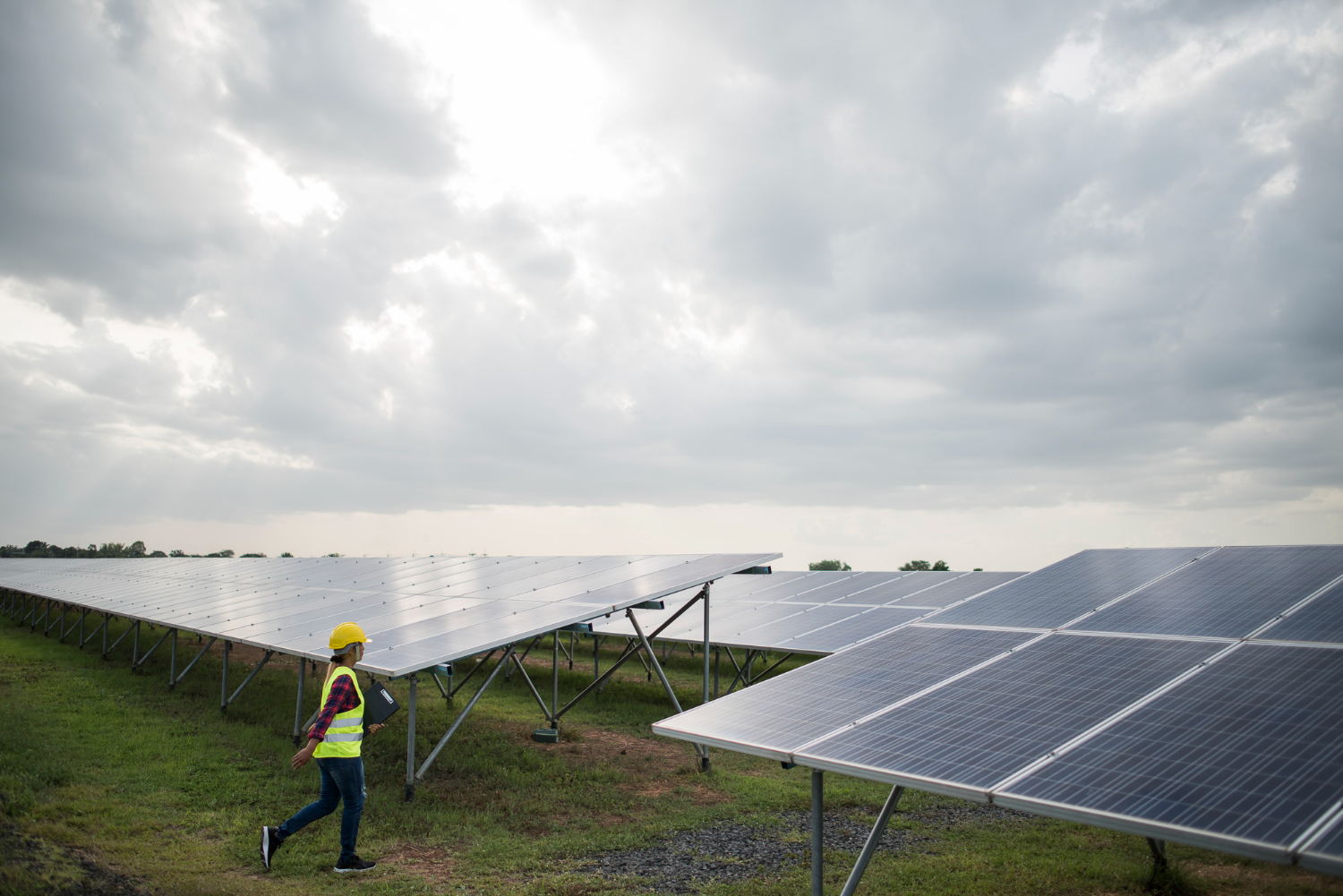
Regions such as the Sahara, the Sahel, and the Kalahari deserts offer millions of hectares of land ideal for large-scale solar installations. Unlike Europe or North Asia, many African nations enjoy high-intensity sunlight for over 3,000 hours per year. This makes the cost of solar energy production in Africa among the lowest globally, reinforcing the status of Africa as the Solar Farms Hub.
2. Scalability and Decentralized Solutions
While utility-scale solar farms power national grids, decentralized mini-grids are transforming rural economies. This scalability allows for a diverse investment portfolio, ranging from massive 500MW plants to localized commercial and industrial (C&I) solar solutions for mining and manufacturing.
3. The Shift Toward Energy Export
With the development of high-voltage direct current (HVDC) technology, Africa is preparing to export solar power to Europe and the Middle East. Projects like the Xlinks Morocco-UK Power Project demonstrate that the continent’s solar energy can satisfy global demand, cementing the role of Africa as the Solar Farms Hub.
Africa’s Role in the Global EV Industry Powerhouse
The transition to electric vehicles (EVs) is impossible without the minerals found beneath African soil. The continent is moving from being a raw material exporter to a value-added manufacturing hub.
The Critical Mineral Supply Chain
African nations hold the world’s largest reserves of cobalt, lithium, manganese, and copper—the four pillars of EV battery production.
- Cobalt: The DRC produces over 70% of the world’s supply.
- Lithium: Zimbabwe and Namibia are rapidly scaling production to meet global battery demand.
- Copper: Zambia and the DRC remain vital for EV wiring and motor components.
By integrating these resources with the energy generated as Africa as the Solar Farms Hub, the continent can support end-to-end EV battery manufacturing, significantly reducing global supply chain costs.
Moving Toward Local EV Assembly
From Morocco’s growing automotive cluster to Kenya’s electric two-wheeler revolution, Africa is proving it can assemble and manufacture EVs for domestic and international markets. The International Energy Agency (IEA) notes that localized manufacturing in Africa could significantly lower the price point for EVs in emerging markets.
Strategic Synergies: Solar Power and EV Charging
The true potential of the continent lies in the “Solar-to-EV” ecosystem. Electric vehicles in Africa are not just transportation; they are mobile storage units that can help stabilize solar-heavy grids.
Solar-Powered Charging Infrastructure
In many African cities, the grid is still developing. Solar-powered charging hubs offer a leapfrog solution, allowing EV fleets to charge using clean energy without straining national utilities. This integration solidifies the concept of Africa as the Solar Farms Hub by creating a consistent, domestic demand for renewable power.
Battery Second-Life Applications
As EV batteries reach the end of their automotive life, they can be repurposed as stationary storage for solar farms. This circular economy model reduces waste and lowers the capital expenditure required for solar energy storage systems.
Investment Landscapes and Policy Frameworks
To successfully realize the potential of Africa as the Solar Farms Hub, government cooperation and international finance are critical.
- AfCFTA Integration: The African Continental Free Trade Area allows for the duty-free movement of solar components and EV parts, creating a unified market of 1.3 billion people.
- Green Bond Financing: African nations are increasingly utilizing green bonds to fund infrastructure. The World Bank Group and the African Development Bank (AfDB) offer various guarantee products to protect private capital in these sectors.
- Supportive Regulations: Nations like Egypt, South Africa, and Morocco have established clear Power Purchase Agreement (PPA) frameworks, providing long-term revenue certainty for solar investors.
Challenges and Risk Mitigation
Investors must navigate certain complexities to ensure long-term success in the African energy and EV space.
- Infrastructure Gaps: Modernizing national grids to handle intermittent solar power is a priority. Solution: Investing in Battery Energy Storage Systems (BESS) alongside solar farms.
- Financing Costs: High interest rates in some markets can impact ROI. Solution: Leveraging blended finance and development finance institution (DFI) support.
- Policy Consistency: Changes in leadership can lead to regulatory shifts. Solution: Focusing on countries with a track record of honoring international investment treaties and utilizing MIGA insurance.
FAQ: Africa’s Solar and EV Future
- Why is Africa considered a future solar hub?
Due to its high solar irradiation, vast land availability, and the urgent need to bridge the energy gap for over 600 million people, making it the most logical place for solar expansion.
- How does Africa benefit the global EV industry?
Africa provides the essential minerals (lithium, cobalt, copper) required for batteries and is increasingly offering a cost-competitive base for local vehicle assembly.
- Can solar power replace fossil fuels in African manufacturing?
Yes. Industrial-scale solar, combined with modern storage technology, is already providing reliable power to mines and factories across the continent at a lower cost than diesel generators.
- What role does the AfCFTA play in this revolution?
It eliminates trade barriers, allowing for a “Pan-African” supply chain where minerals from one country are processed and used in EV manufacturing in another.
- How can Yes! Invest Africa help my entry into this market?
We provide ground-truth intelligence, facilitate government relations, and identify bankable solar and EV projects that align with global ESG standards.
Power the Future with Yes! Invest Africa
The convergence of solar energy and electric mobility is the defining industrial trend of our time. As the world looks for sustainable growth, Africa stands ready with the resources, the space, and the ambition to lead. At Yes! Invest Africa, we are dedicated to helping you navigate this high-growth sector. Whether you are developing a 100MW solar farm or building the next generation of electric buses, our team is your trusted partner on the ground.
Contact Yes! Invest Africa today to receive your 2026 Solar & EV Investment Briefing.