 admin
adminWhy Eco-Tourism in Africa Is Booming in 2026: A Strategic Investment Opportunity
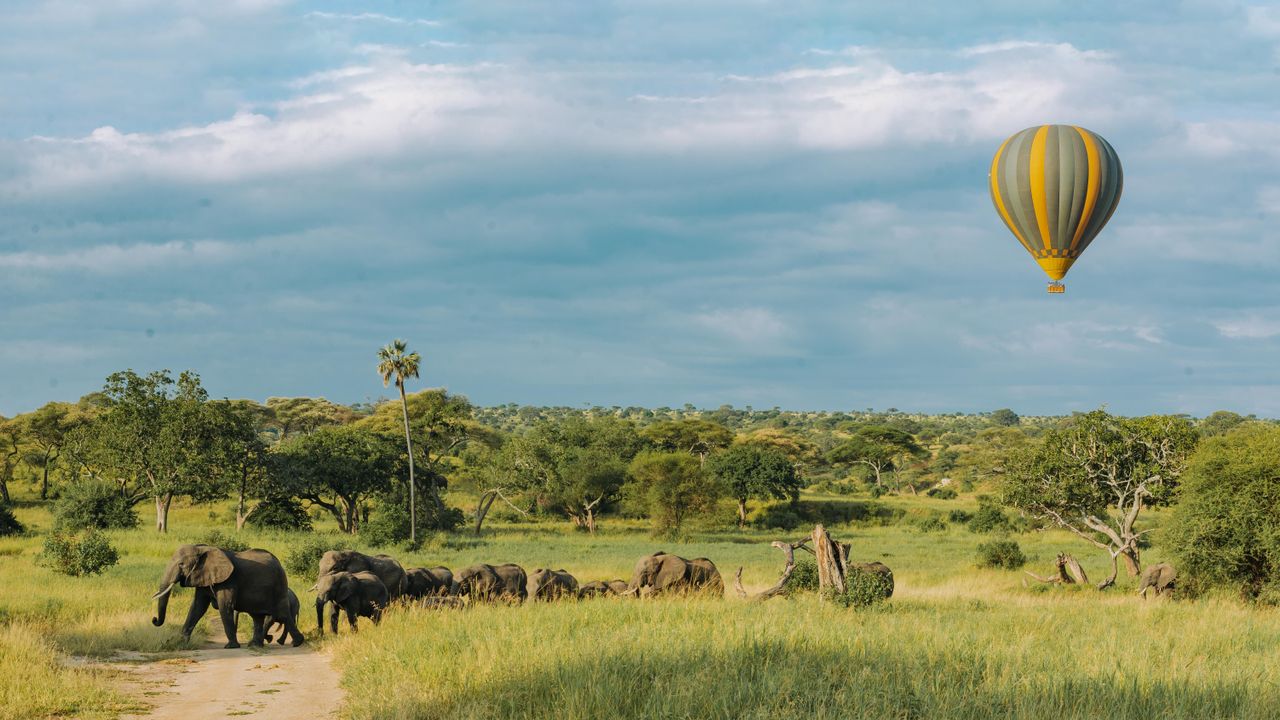
The travel and hospitality sector in 2026 is witnessing a monumental shift in consumer behavior. The modern luxury traveler is no longer content with passive sightseeing; they demand immersive, ethical, and regenerative experiences that leave a positive impact on the destinations they visit. This shift has propelled eco-tourism in Africa from a niche market segment into a dominant force within the global travel economy. As institutional investors and private equity firms scout for sustainable, high-growth hospitality assets, Africa’s wilderness corridors are being recognized as the definitive frontier for responsible, high-yield capital deployment.
At Yes! Invest Africa, we track these macro-economic trends with precision. The boom in African eco-tourism is not merely a seasonal trend; it is a structural movement fueled by the rising global consciousness surrounding biodiversity and carbon-neutral travel. For investors, this sector offers a rare combination: robust financial returns, long-term real-estate asset appreciation, and the opportunity to participate in vital conservation efforts.
The Economics Behind the 2026 Eco-Tourism Surge
The surge in African eco-tourism is supported by several interconnected economic drivers that are transforming the continent into a premier destination for high-net-worth experiential travelers.
1. The Rise of the “Regenerative Traveler”
In 2026, the term “sustainability” has been replaced by “regeneration.” Travelers are actively seeking out lodges and tour operators that can prove their positive impact on local habitats and indigenous communities. This demand has allowed eco-lodge operators to command significant price premiums. According to data from the World Tourism Organization (UN Tourism), this segment of the market is outperforming traditional mass-tourism assets, providing investors with resilient revenue streams that are less susceptible to economic volatility.
2. Tangible Asset Protection through Land Stewardship
Eco-tourism investments are fundamentally land-backed assets. When an investor secures a safari lodge or a wilderness concession, they are effectively acquiring the right to manage and protect a finite natural resource. In a world where untouched wilderness is becoming increasingly scarce, the intrinsic value of these lands continues to climb, providing a natural hedge against inflation and offering long-term capital gains that are independent of general equity market performance.
3. ESG-Aligned Capital Deployment
Institutional funds and private family offices are under mounting pressure to meet rigorous Environmental, Social, and Governance (ESG) standards. The African eco-tourism sector provides an ideal vehicle for this; investing here allows for the direct funding of anti-poaching units, habitat restoration, and local education, which can be documented and reported as tangible environmental impact, making these assets highly attractive to green-finance credit lines.
Core Pillars of the African Eco-Tourism Boom
For investors looking to enter this space, the 2026 market presents a variety of entry points across the continent’s most iconic ecological corridors.
1. The East African Wilderness Corridor
Kenya and Tanzania remain the bedrock of the global safari brand. The ongoing expansion of private conservancy models in these regions where landowners and local communities partner with lodge operators has created a stable and highly predictable investment environment. These conservancies manage wildlife density through controlled access, which ensures the premium quality of the guest experience and protects the long-term value of the lodge assets.
2. The Southern African Wilderness Experience
Countries like Botswana and Namibia have perfected the “low-volume, high-value” tourism model. By strictly limiting the number of visitors in wilderness areas, these nations have maintained the exclusivity of their lodges, ensuring that operators can maintain exceptionally high margins. Investors targeting these markets benefit from a regulatory environment that prioritizes conservation over mass-market volume, effectively creating a natural monopoly for established operators.
3. Emerging Frontiers in Central and West Africa
Beyond the traditional safari hubs, Central and West Africa are emerging as high-potential frontiers for eco-tourism. Investments in primate conservation in regions like Uganda, Rwanda, and Gabon offer a unique, specialized experience that appeals to a highly specific, luxury-tier demographic. While these markets require deeper due diligence regarding infrastructure and logistics, the first-mover advantage for investors in these corridors is significant.
Operational Excellence: De-Risking Your Asset in 2026
The commercial viability of an eco-tourism asset is not determined by its aesthetic appeal alone; it is determined by its operational autonomy and legal security.
Integrating Green Infrastructure
The most successful eco-tourism investments in 2026 are those that have achieved complete energy and utility autonomy. By integrating utility-scale solar-plus-storage grids, sophisticated greywater recycling, and high-speed satellite connectivity, properties drastically reduce their reliance on expensive logistics and vulnerable public utility grids. These technical investments are essential for protecting profit margins, especially in remote locations where fuel and water logistics are traditionally volatile.
Securing Legally Enforceable Land Tenure
The primary risk for any wilderness investor involves land tenure and community relations. It is essential that investors work with entities that can provide airtight, clause-by-clause enforceable contracts. Engaging indigenous communities as active equity partners rather than as passive neighbors is the gold standard for reducing operational risk and ensuring that the project remains sustainable for decades to come.
Partnering with Yes! Invest Africa
Navigating the complexities of land concessions, environmental permitting, and hospitality operations in frontier markets requires a trusted partner. Yes! Invest Africa bridges the gap between global institutional capital and the high-potential wilderness assets of the continent.
We facilitate your entry by providing:
- Verified Concessions: Access to exclusive, high-value sites that meet rigorous environmental and legal standards.
- Enforceable Partnership Frameworks: We ensure that land-use agreements and community partnership MOUs are drafted to be legally robust.
- Operational Due Diligence: We conduct comparative analysis on management groups to ensure your property adheres to world-class hospitality standards.
Frequently Asked Questions (FAQ)
- Why is the eco-tourism sector currently outperforming traditional hospitality?
Eco-tourism caters to the luxury, high-net-worth market which is less sensitive to economic downturns and highly focused on unique, sustainable, and impact-driven experiences that mass-market tourism cannot replicate.
- How does an eco-tourism investment provide environmental impact?
These investments provide the essential capital for habitat protection, wildlife monitoring, and anti-poaching initiatives, while also providing high-quality jobs and development funding for local indigenous communities.
- What are the key regulatory hurdles for eco-tourism investors?
The main hurdles involve navigating local land tenure laws and obtaining environmental permits in ecologically sensitive zones. Yes! Invest Africa specializes in conducting the necessary legal due diligence to navigate these frameworks securely.
- How can I ensure my eco-tourism investment is profitable?
Profitability is driven by location exclusivity, independent green-utility infrastructure, and the ability to command premium rates through “low-volume, high-value” management models that are supported by verified distribution partners.
- Which regions offer the best potential for 2026?
While East and Southern Africa remain the most stable and mature markets, Central African countries that offer specialized wildlife experiences (like primate trekking) represent the most significant potential for first-mover growth.
Partner with Yes! Invest Africa today to secure your stake in Africa’s premier hospitality and conservation frontier.