 admin
adminSustainable Tourism Investment Opportunities in East Africa: The 2026 Frontier
The global hospitality industry in 2026 is undergoing a profound structural shift. Modern high-net-worth travelers are no longer seeking passive leisure; they are aggressively pursuing immersive, regenerative, and ecologically conscious journeys. This transition has turned the spotlight squarely on sustainable tourism investment opportunities in East Africa. As international capital seeks assets that combine long-term financial yield with measurable ESG (Environmental, Social, and Governance) impact, East Africa has emerged as the premier global destination for wilderness-based hospitality development.
At Yes! Invest Africa, we recognize that tourism in the 21st century is fundamentally an infrastructure and conservation play. Investing in this sector is about securing high-value, land-backed assets that cater to the most resilient demographic in the travel industry. This article explores why East Africa is the definitive market for sustainable hospitality capital and how investors can navigate this space to maximize their ROI.
Why East Africa Dominates the Sustainable Hospitality Sector
East Africa comprising powerhouses like Kenya, Tanzania, Rwanda, and Uganda has refined the “low-volume, high-value” tourism model. This approach is not merely a marketing tactic; it is an economic strategy that preserves the exclusivity of the asset and protects the long-term valuation of the surrounding natural habitat.
1. High-Value Exclusivity and Revenue Resilience
By limiting the number of beds in protected wildlife zones, East African destinations create a natural scarcity that drives nightly room rates to some of the highest levels on the continent. For an investor, this translates into high RevPAR (Revenue Per Available Room) and consistent occupancy rates, even during broader economic fluctuations.
2. Alignment with Global ESG Mandates
Modern institutional capital is increasingly mandated to seek “impact-first” investment vehicles. Sustainable tourism in East Africa allows firms to directly fund anti-poaching units, habitat restoration, and local indigenous community empowerment programs. These impacts are quantifiable, allowing investors to report clear environmental and social contributions a significant advantage when attracting institutional green-finance credit lines.
3. Maturing Tourism Infrastructure
The logistical barriers that once hampered tourism investment are rapidly dissolving. Massive regional investments in domestic aviation, regional road networks, and high-speed satellite connectivity have made once-inaccessible remote wilderness zones perfectly reachable for the international luxury market. This infrastructure boom is lowering the operational costs for lodge owners, thereby boosting the EBITDA margins for investors.
Sector-Specific Investment Corridors
For those evaluating tourism investment opportunities in 2026, the strategy should focus on regions where biodiversity density meets regulatory stability.
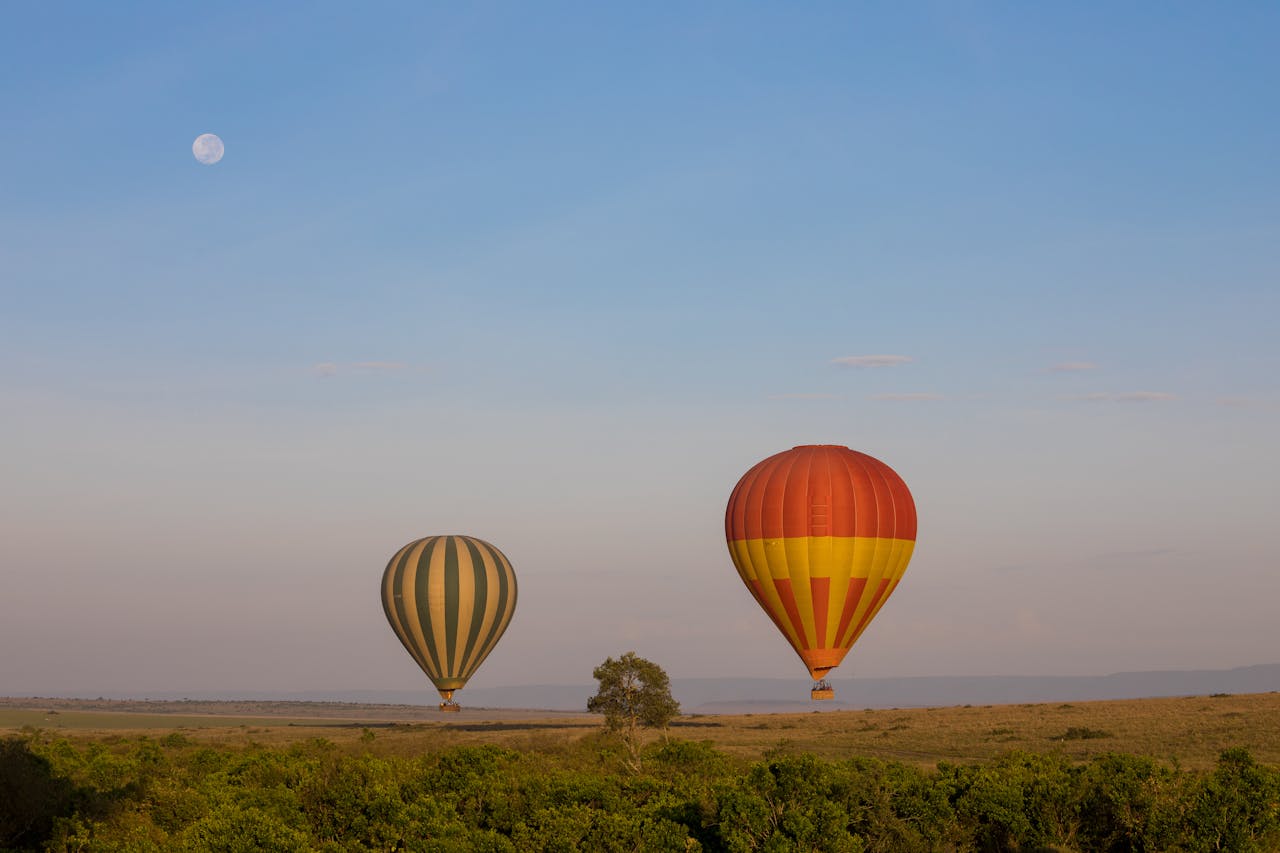
The Maasai Mara and Northern Kenya Conservancies
Kenya remains the most mature market for private conservancy investments. The model here allows investors to secure long-term land lease agreements with local communities. This partnership structure ensures that the local population benefits from the lodge’s success, which serves as a powerful de-risking mechanism for long-term tenure security.
The Serengeti-Ngorongoro Expansion
Tanzania is scaling its tourism capacity to match global demand. The government’s recent liberalization of regional air access has opened new sectors of the Serengeti to investment. Opportunities here are ideal for firms seeking large-scale development sites that can accommodate multi-lodge footprints, allowing for diversified guest experiences from migratory safari camps to high-end luxury retreats.
Primate Conservation in Rwanda and Uganda
The rise of “specialized tourism” has made primate trekking one of the most profitable hospitality niches in the world. Rwanda and Uganda have successfully positioned themselves as the global leaders in luxury gorilla and chimpanzee trekking. Investment opportunities in these regions are highly specialized and often attract an ultra-high-net-worth clientele willing to pay record-setting premiums for exclusive access.
Operational Excellence: De-Risking Your Asset in 2026
The commercial viability of a tourism asset in 2026 depends on operational autonomy. Investors who prioritize sustainable infrastructure see drastically lower overhead costs compared to those relying on legacy logistical systems.
Integrating Off-Grid Utility Solutions
The most successful tourism investments are those that achieve energy and utility independence. By integrating utility-scale solar-plus-storage grids, automated greywater recycling, and high-speed satellite communication, lodge owners can drastically reduce their reliance on fuel logistics. These technical investments protect profit margins and future-proof the asset against potential utility-grid volatility.
Securing Legally Enforceable Land Rights
In any emerging market, land tenure is the primary risk factor. Investors must ensure that they are working with professional partners capable of securing airtight, clause-by-clause enforceable contracts. Engaging with local communities as active equity partners—rather than as neighbors—is the current “gold standard” for ensuring long-term operational success and community support.
Partnering with Yes! Invest Africa
Navigating the complexities of tourism concessions, environmental permitting, and hospitality operations requires a trusted partner on the ground. Yes! Invest Africa bridges the gap between global capital and the high-potential wilderness assets of East Africa.
We facilitate your entry by providing:
- Verified Concessions: Access to exclusive, high-value sites that meet rigorous environmental and legal standards.
- Enforceable Partnership Frameworks: We ensure that land-use agreements and community partnership MOUs are drafted to be legally robust and culturally sustainable.
- Operational Due Diligence: We conduct comparative analysis on management groups to ensure your property adheres to world-class hospitality standards.
Frequently Asked Questions (FAQ)
- Why is East Africa considered the premier destination for sustainable tourism investment?
East Africa combines high wildlife density, mature private conservancy models, and a global tourism brand that ensures consistent demand from the high-net-worth market.
- How does sustainable tourism generate high ROI?
Profitability is driven by the “low-volume, high-value” model, where exclusivity allows for premium nightly rates, while ESG alignment provides access to specialized low-cost green finance.
- What is the most critical factor for risk management in this sector?
The most critical factor is the legal enforceability of land tenure and the strength of the community partnership agreement. Yes! Invest Africa specializes in vetting these foundations.
- How does green infrastructure improve the profitability of a lodge?
Integrating solar power and water recycling systems drastically lowers the operational costs associated with fuel and water logistics in remote areas, significantly improving EBITDA margins.
- How do I start evaluating specific investment opportunities?
The first step is a feasibility study on the specific concession and an analysis of the regional regulatory landscape. Contact Yes! Invest Africa to access our database of vetted, high-potential projects.
Partner with Yes! Invest Africa today to secure your stake in Africa’s premier hospitality and conservation frontier.