 admin
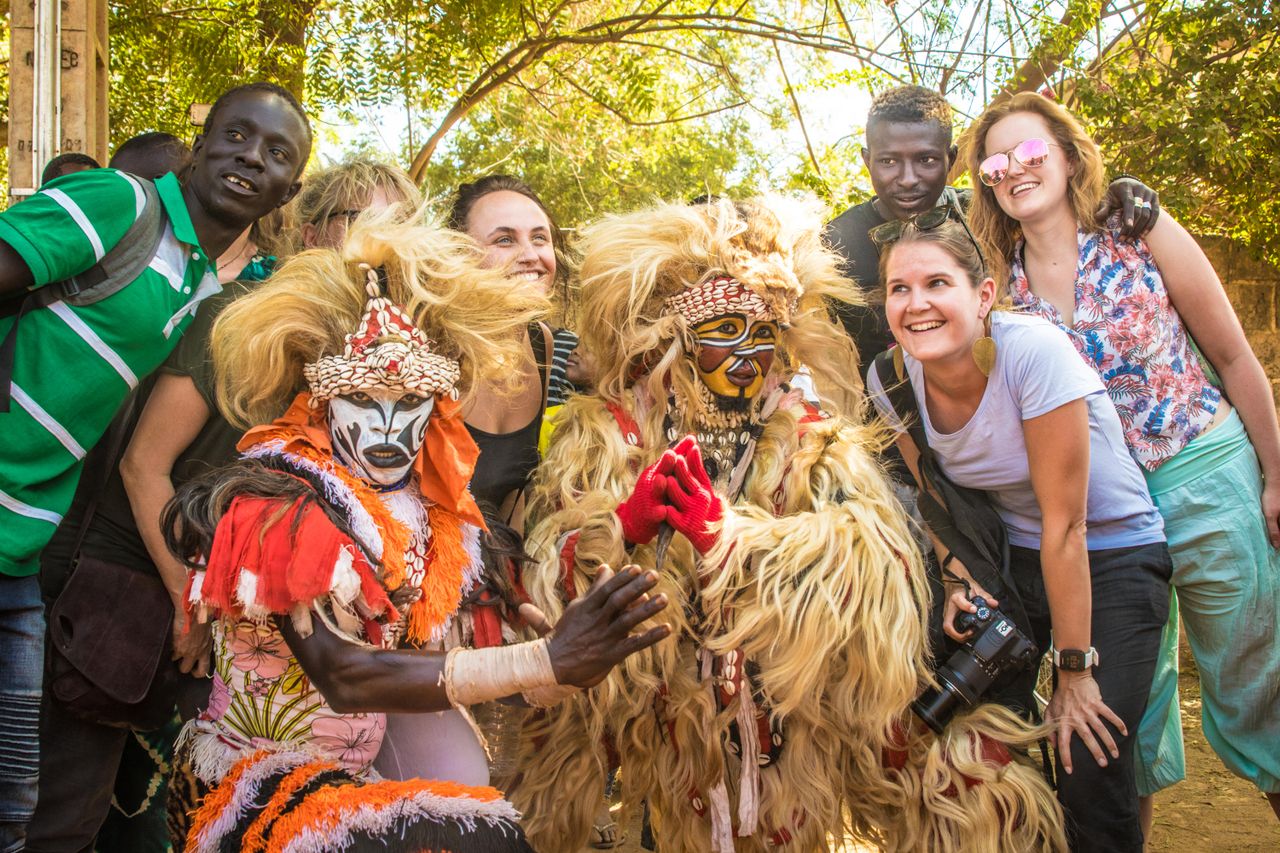
adminIn 2026, the paradigm of travel has shifted from mere sightseeing to meaningful, immersive connection. As global travelers seek deeper narratives and authentic experiences, cultural tourism in Africa has moved to the forefront of the sustainable development agenda. This sector is no longer just about preserving heritage; it is a powerful economic catalyst that directly funnels financial resources into indigenous communities, ensuring that the people who guard the continent’s history are the primary beneficiaries of its global appeal.
At Yes! Invest Africa, we analyze cultural tourism not just as a leisure activity, but as a robust, high-impact investment sector. By aligning global capital with community-led heritage projects, we help create resilient economies that honor tradition while driving modern commercial value.
Why Cultural Tourism is the Future of Sustainable Development
Cultural tourism leverages Africa’s vast, diverse, and vibrant heritage ranging from ancient architectural wonders and complex linguistic lineages to contemporary music, fashion, and traditional crafts—to create sustainable livelihoods.
1. Direct Economic Empowerment and Inclusivity
Unlike large-scale mass tourism, which often leads to “leakage” where profits leave the host country, cultural tourism is inherently decentralized. It directs expenditure into local guest houses, artisanal markets, guided heritage tours, and locally owned dining experiences. According to the World Tourism Organization (UN Tourism), heritage-based travel is one of the most effective tools for poverty reduction, as it fosters entrepreneurship among women, youth, and traditional artisans.
2. Preservation through Economic Incentive
One of the most persistent challenges in conservation is the threat to intangible heritage. When communities realize that their traditional songs, dance, weaving techniques, and stories have significant market value, they are empowered to preserve them. The economic viability provided by cultural tourism transforms heritage from a fragile relic into a protected community asset.
3. Promoting Cross-Cultural Understanding and Global Brand Equity
Every cultural encounter acts as a soft-power bridge between Africa and the international community. By showcasing the complexity and beauty of African traditions, these ventures build global brand equity for entire regions, making them more attractive for subsequent investments in infrastructure, agriculture, and digital sectors.
The Pillars of Community-Centric Tourism
For an investment to be considered a leader in the sector, it must demonstrate a commitment to three fundamental pillars: authenticity, equity, and scalability.
Authenticity: The Core Commodity
Successful cultural ventures avoid “Disneyfication” by ensuring that the community remains the primary storyteller. Whether it is a Maasai cultural village in East Africa or a traditional pottery workshop in West Africa, the visitor experience must be facilitated by the custodians of that culture to ensure historical accuracy and deep, genuine engagement.
Equity: Ownership Models
The most resilient cultural tourism projects are those where the community holds equity. When local elders and community trusts own the land or the operating entities, they maintain the right to curate their own representation. This ownership structure reduces operational risk, mitigates conflict, and ensures that the wealth generated remains in the community.
Scalability: Modernizing Access without Dilution
Technological integration is key to bringing community tourism to the global market. Developing digital booking platforms for rural heritage sites, establishing international marketing standards for traditional crafts, and creating high-speed internet hubs in remote areas allow these communities to reach a global audience without compromising their cultural integrity.
Investment Opportunities and the Role of Yes! Invest Africa
At Yes! Invest Africa, we recognize that community-based tourism is a sophisticated investment frontier that requires precise legal and operational structuring to flourish. Many potential projects fail because they lack the bridge to professional hospitality management or the legal frameworks to protect community assets.
We act as the essential bridge by providing:
-
Asset Vetting: We conduct deep due diligence on cultural ventures to ensure they meet international sustainability and ethical standards.
-
Legal Frameworks: We assist in drafting enforceable partnership MOUs that guarantee the community receives a fair share of revenue while protecting their intellectual and cultural property.
-
Hospitality Benchmarking: We introduce international operational standards to community-led ventures, ensuring that guests receive a five-star experience that encourages return visits and positive global reviews.
Frequently Asked Questions (FAQ)
1. How does cultural tourism differ from general safari tourism? While safari tourism focuses on wildlife, cultural tourism focuses on people, history, arts, and traditions. It is often more community-driven and can be integrated into almost any region of the continent.
2. How can I ensure my investment is ethically sound? Ethical investment in this sector requires prioritizing projects where the local community maintains majority ownership or equity, and where traditional knowledge is protected and respected.
3. What is the economic impact on the local community? Cultural tourism creates diverse revenue streams from artisan sales to guiding fees which significantly boosts local household income and fosters the development of rural micro-enterprises.
4. How does Yes! Invest Africa de-risk this type of investment? We provide rigorous legal due diligence, establish equitable partnership agreements, and introduce international operational benchmarks to ensure projects are bankable and sustainable.
5. Are cultural tourism ventures scalable for institutional investors? Yes. Through regional clustering where multiple heritage sites are bundled into a cohesive tourist itinerary—we can aggregate small community projects into large-scale, investable hospitality portfolios.Partner with