Africa’s energy and oil sector is one of the continent’s most influential drivers of growth, offering investors unparalleled opportunities in exploration, production, and renewable transformation. With countries like Nigeria, Angola, Algeria, and Ghana leading the way, the region boasts vast reserves of oil, natural gas, and emerging renewable energy projects that are reshaping global supply chains.
As demand for sustainable energy rises, Africa is uniquely positioned to balance traditional oil and gas investments with forward-looking ventures in solar, wind, and hydro power. Governments across the continent are implementing reforms to attract foreign capital, modernize infrastructure, and ensure transparency—creating a secure environment for investors seeking both profitability and long-term impact.
At YES! Invest Africa, we connect international investors directly with verified opportunities, procurement managers, and enforceable contracts—ensuring your ventures are resilient, impactful, and future-ready.
Africa’s Energy Landscape
Africa holds approximately 7% of the world’s proven oil reserves and an even larger share of its natural gas endowment — yet fewer than half of the continent’s 1.4 billion people have reliable access to electricity. That gap between resource wealth and energy access defines both the challenge and the opportunity. For investors, Africa’s energy sector offers two simultaneous, structurally driven investment themes: the maturation of a significant hydrocarbon industry, and the most ambitious renewable energy build-out happening anywhere on earth.
Africa’s energy sector is undergoing a major transformation. Oil and gas remain the backbone of African economies, but renewable energy is rapidly expanding, creating a balanced portfolio of opportunities for foreign investors. In 2026, upstream oil and gas investment is forecast to reach $41 billion, with production expected to hit 11.4 million barrels per day, driven by Nigeria, Angola, Mozambique, and frontier basins. At the same time, the International Energy Agency projects that Africa will need more than $200 billion in annual clean energy investment by 2030 to meet its growing population’s electricity needs and climate commitments. Both themes are investable — and both are attracting record levels of capital.
- Oil & Gas: Africa holds 7% of proven global oil reserves and vast natural gas fields.
- Renewables: Solar, wind, and hydro projects are scaling across the continent.
- Electricity Access: New gas hubs and renewable grids are expanding power access to millions.
Key Energy Opportunities
1. Oil & Gas
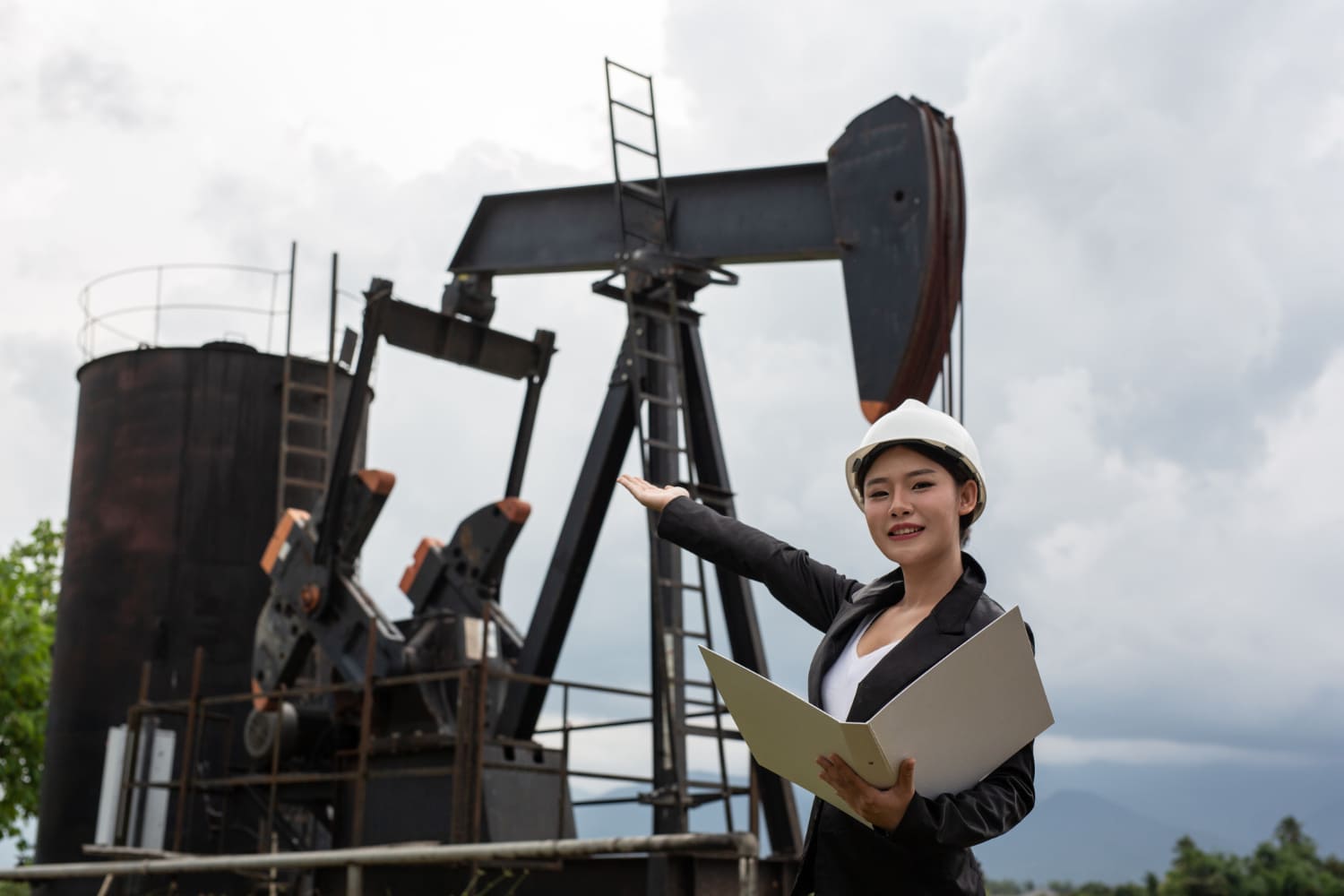
- Deepwater Expansions: Angola’s Agogo Phase 3 targeting 175,000 bpd by 2026.
- Frontier Projects: Uganda’s Tilenga Project with first oil expected mid-2026.
- Natural Gas & LNG: Mozambique emerging as a global LNG hub.
2. Renewable Energy
Africa is leading the charge in clean energy adoption.
- Solar Power: Vast potential in North and Sub-Saharan Africa.
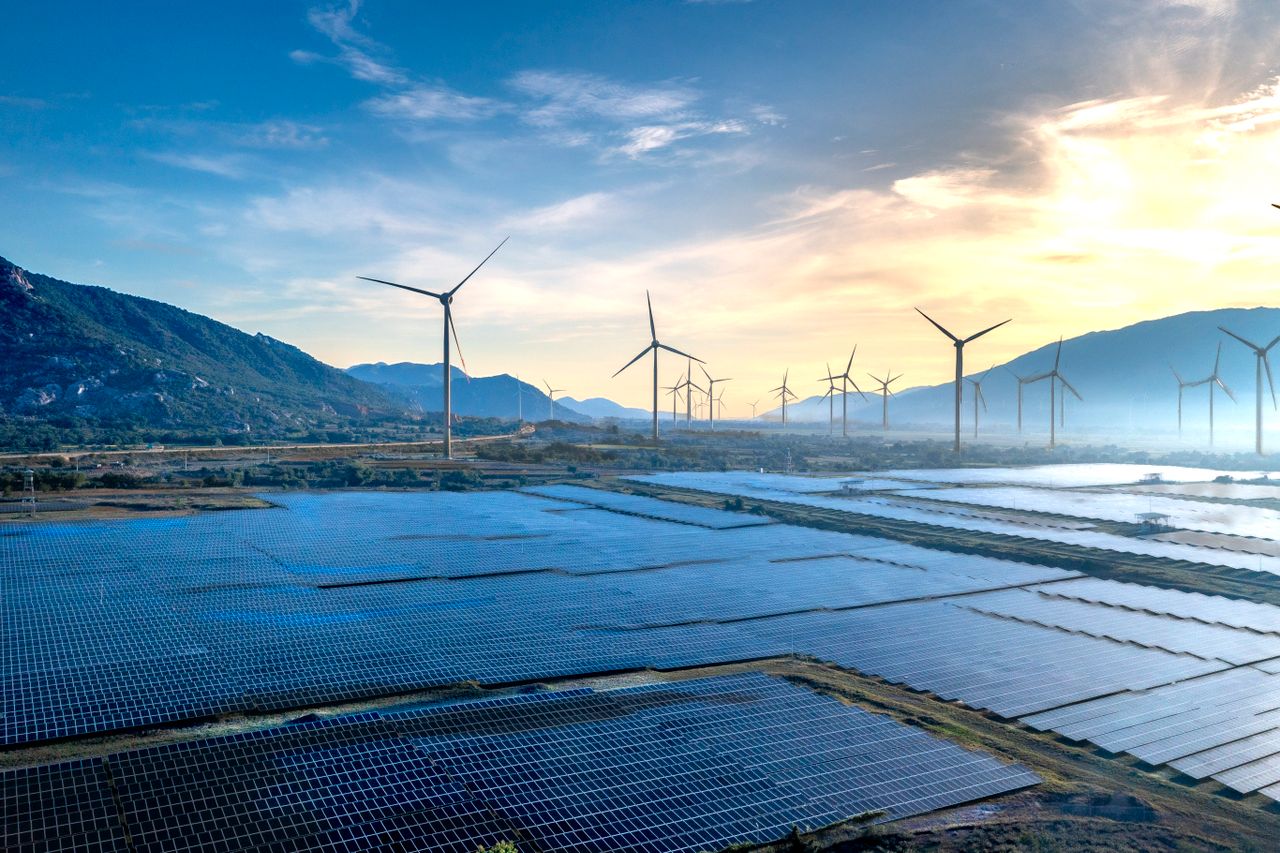
- Wind Energy: Coastal regions driving large-scale projects.
- Hydropower: Expanding dams and river-based energy solutions.
3. Power Infrastructure
- Electricity Access: Millions gaining new connections through gas and renewable grids.
- Smart Grids: Digital solutions improving efficiency and reliability.
- Regional Integration: Cross-border energy trade strengthening supply.
Key Energy Opportunities
Upstream Oil and Gas Exploration and Production
Nigeria, Angola, Gabon, Equatorial Guinea, and Republic of Congo anchor the continent’s established upstream sector, while Namibia, Uganda, Tanzania, and Mozambique represent the frontier growth story. Deepwater and ultra-deepwater exploration is attracting the largest capital commitments, particularly in West Africa’s Gulf of Guinea basin.
LNG and Natural Gas Infrastructure
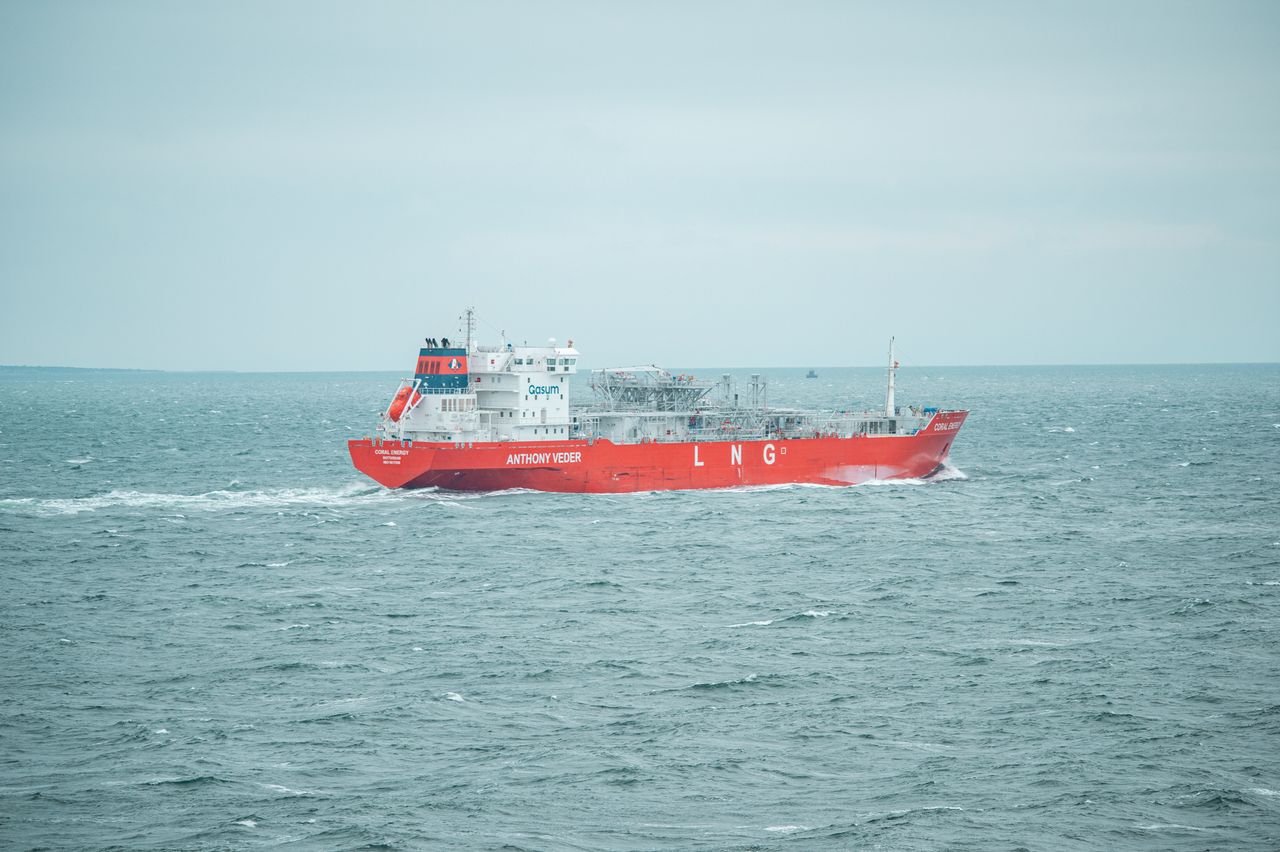
Mozambique is developing into Africa’s first major LNG export hub, with Eni’s Coral South FLNG vessel already delivering gas to global markets. Tanzania’s offshore gas reserves and the Tanzania LNG project represent the next major development in the region. Domestic gas-to-power infrastructure across Nigeria and West Africa is attracting investment in gas processing, pipelines, and power generation facilities.
Solar, Wind, and Hybrid Power Projects
Independent Power Producers (IPPs) are driving renewable project development across North, East, and Southern Africa. Solar and wind projects in Morocco, South Africa, Kenya, Ethiopia, and Senegal are operating under power purchase agreements (PPAs) that provide investors with long-term, predictable cash flows backed by government offtakers.
Energy Access and Mini-Grid Development
Off-grid and mini-grid solutions serving rural communities represent one of the fastest-growing investment niches in Africa’s energy sector. Companies deploying solar home systems and community mini-grids across Sub-Saharan Africa are attracting blended finance from development institutions and venture capital funds focused on impact investing and energy access at scale.
Why Invest in Africa’s Energy Sector?
- High ROI Potential: Strong demand from Asia and Europe.
- Diversification: Balance between fossil fuels and renewables.
- Government Incentives: Policies encouraging foreign investment.
- Sustainability: Opportunities aligned with global ESG priorities.
Partner With Yes! Invest in Africa
Tap into Africa’s energy potential today—partner with us to unlock growth, drive innovation, and build lasting value across one of the world’s most strategic sectors.







 27Jul
27Jul
 24Jul
24Jul
 22Jul
22Jul