 Article Writer
North Africa as Europe’s Energy Gateway: The 2026 Outlook
The global energy map is being redrawn in 2026, and the coordinates are shifting decisively toward the Mediterranean’s southern shore. For decades, the relationship between Europe and its southern neighbors was defined by a one-way flow of fossil fuels; today, that dynamic has evolved into a sophisticated, bidirectional green energy partnership. North Africa as Europe’s energy gateway is no longer a visionary concept, it is a functional industrial reality.
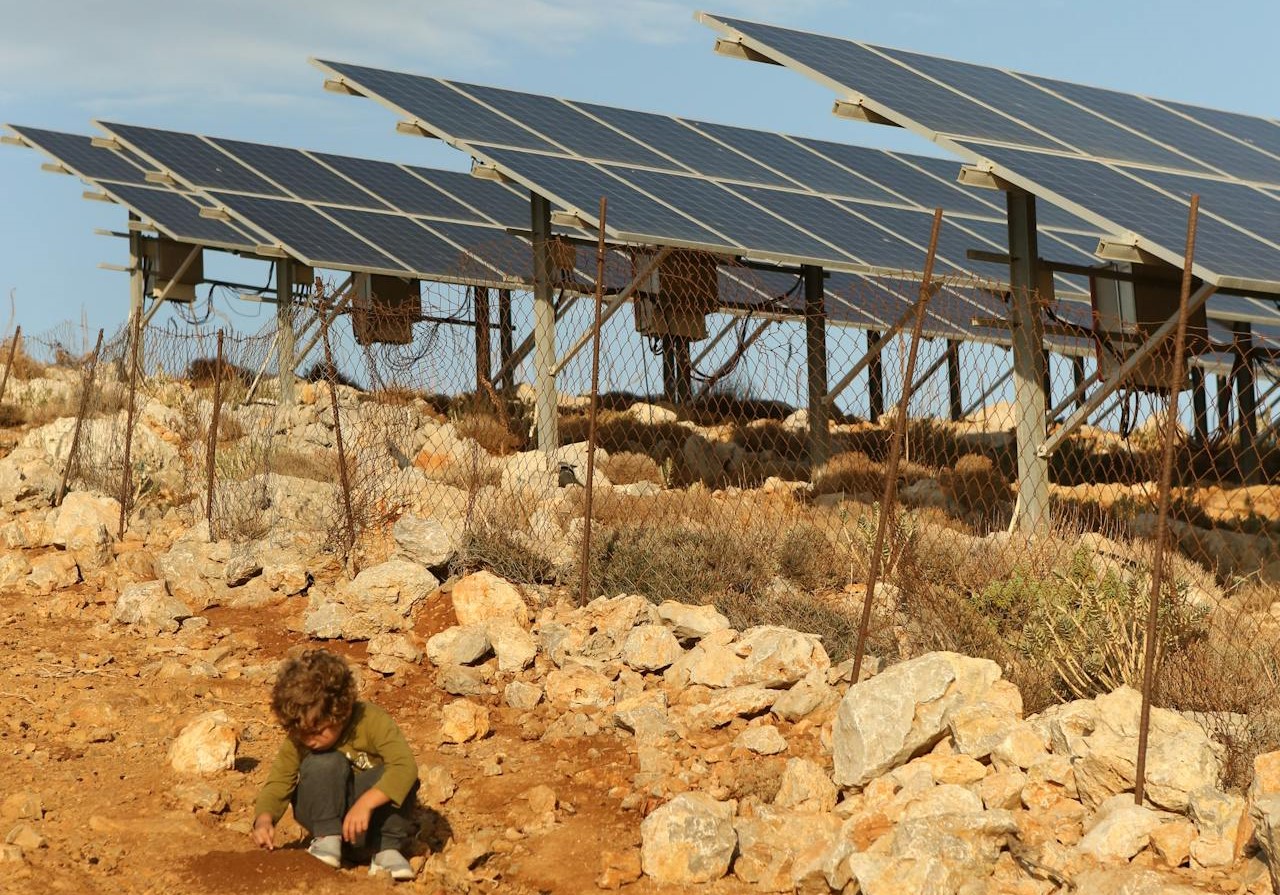
At Yes! Invest Africa, we are tracking an unprecedented influx of Foreign Direct Investment (FDI) into large-scale renewable arrays across Morocco, Algeria, Tunisia, and Egypt. The region’s proximity to high-demand European markets, combined with the world’s highest solar irradiation levels, has created a strategic energy corridor that is redefining the future of global decarbonization.
The 2026 Strategic Landscape: Why North Africa?
The “New Energy Era” of 2026 is driven by Europe’s urgent need to diversify its power sources and achieve net-zero targets. North Africa offers the perfect solution: vast, uninhabited land for solar and wind farms, existing pipeline infrastructure that can be repurposed, and a geographical proximity that minimizes transmission loss.
Proximity and Infrastructure
The distance across the Strait of Gibraltar is less than 15 kilometers. This physical closeness allows for High-Voltage Direct Current (HVDC) cables and repurposed gas pipelines to deliver energy from the Sahara directly to the European industrial heartland. According to the International Renewable Energy Agency (IRENA) 2026 Market Report, North Africa has the potential to supply over 15% of Europe’s total energy demand by 2035.
The Green Hydrogen Boom: Africa’s New Export
While electricity transmission is vital, the “game-changer” for 2026 is Green Hydrogen. By using solar and wind power to fuel electrolysis, North African nations are producing carbon-free hydrogen at costs that are now lower than any other region globally.
The Mediterranean Hydrogen Corridor
Existing pipelines that once carried natural gas are being “retrofitted” in 2026 to transport hydrogen blends. Countries like Mauritania and Morocco are leading this charge, targeting a production cost below €1.50 per kg. This makes North Africa as Europe’s energy gateway the most cost-effective solution for German and Italian steel and chemical industries looking to decarbonize.
Strategic Investment in Electrolysis
Institutional investors are no longer just funding solar panels; they are funding the “Hydrogen Valleys” that surround them. According to World Bank Energy Statistics, the investment in North African hydrogen infrastructure has surpassed $40 billion in 2026, driven by long-term offtake agreements with European utilities.
Regional Hubs: Morocco, Egypt, and Algeria
The 2026 energy surge is anchored by three primary hubs, each offering a unique value proposition for international capital.
1. Morocco: The Interconnection Leader
Morocco has successfully operationalized the Xlinks Morocco-UK Power Project in 2026. This project uses 3,800km subsea cables to deliver clean energy directly from the Guelmim-Oued Noun region to the United Kingdom. Morocco’s stable regulatory environment and its commitment to the “Green Morocco” plan have made it the top destination for European energy developers.
2. Egypt: The Regional Energy Bridge
Egypt has moved beyond the Suez Canal as its primary economic engine. In 2026, the GREGY Interconnector between Egypt and Greece is nearing completion. This allows Egypt to act as a “Power Bridge” between the Middle East, Africa, and the European Union, facilitating the trade of green electricity across three continents.
3. Algeria: The Repurposing Pioneer
Algeria is utilizing its extensive existing gas pipeline network (Medgaz and Transmed) to integrate renewable energy into its export mix. By blending green hydrogen with natural gas, Algeria is providing Europe with a “transition fuel” that immediately reduces the carbon intensity of European heating and industrial processes.
Technical Integration and ESG Standards in 2026
Investors in 2026 are focused on the “Quality of Supply.” North African projects are now utilizing AI-driven grid management to balance the intermittency of solar and wind, providing Europe with a steady “baseload” of green power.
Desalination and the Circular Economy
One of the most innovative trends in 2026 is the integration of desalination plants with green hydrogen production. Since electrolysis requires pure water, solar-powered desalination provides the necessary feedstock while simultaneously addressing local water scarcity. This “Circular Energy Model” is a key requirement for ESG-focused funds investing in the region.
Transparency and Green Bonds
The 2026 market is governed by the “Green Taxonomy” of the EU. North African energy projects are now frequently financed through Green Bonds, which require rigorous, blockchain-based reporting on carbon displacement. This transparency has lowered the cost of capital for developers, making North Africa as Europe’s energy gateway a highly bankable sector.
FAQ: North Africa’s Energy Role
- Can North Africa really replace traditional energy suppliers for Europe?
In 2026, North Africa is not replacing all suppliers, but it is becoming the primary source of green energy. Its role is to provide the sustainable electricity and hydrogen that Europe needs to meet its 2030 and 2050 climate targets.
- What is the impact of the Xlinks project?
The Xlinks project is a “Proof of Concept” for long-distance subsea transmission. It proves that energy can be transported over 3,000 kilometers with minimal loss, opening the door for similar projects between Tunisia and Italy or Libya and Greece.
- Is it safe to invest in North African energy in 2026?
Yes. The strategic importance of these projects to European energy security has led to high-level diplomatic and financial safeguards. Most projects are backed by multilateral agencies like the Africa Finance Corporation (AFC).
- How is green hydrogen transported?
In 2026, hydrogen is transported through a combination of retrofitted gas pipelines (as a blend) and as green ammonia via specialized tankers departing from ports like Tangier Med and Port Said.
- How does Yes! Invest Africa assist energy investors?
We facilitate joint ventures between European utilities and African developers, navigate the complex regulatory landscapes of the Maghreb, and provide due diligence on infrastructure and land rights.
Your Strategic Partner in the Energy Transition
Navigating the scale and complexity of North Africa as Europe’s energy gateway requires local intelligence and high-level institutional liaison. At Yes! Invest Africa, we specialize in connecting international capital with the most lucrative segments of the solar, wind, and hydrogen supply chains. From the salt-flats of Morocco to the desert plains of Egypt, we ensure your investment is positioned for long-term growth in the world’s most critical energy corridor.
Contact Yes! Invest Africa today for a bespoke briefing on North Africa energy and infrastructure opportunities.