 Article Writer
Brazil’s Agriculture Ties with Africa: Cultivating a Shared Future
In the global landscape of 2026, the strategic alignment between Brazil and the African continent has reached a new, transformative inflection point. Rooted in shared tropical climates, common agricultural challenges, and a mutual commitment to South-South cooperation, Brazil’s Agriculture ties with Africa have evolved from traditional diplomacy into a sophisticated, tech-driven investment corridor.
At Yes! Invest Africa, we recognize that this burgeoning partnership represents one of the most promising frontiers for sustainable development. Brazil, having successfully transitioned from a food-importing nation to a global agricultural powerhouse, is now sharing its “tropical blueprint” with African partners. This exchange of knowledge, technology, and policy innovation is not just about increasing yields it is about empowering a continent to realize its massive potential as a future breadbasket for the world.
The Strategic Blueprint: Bridging Tropics through Innovation
The resurgence of Brazil-Africa agricultural cooperation is anchored by a deliberate strategy to foster local ownership while utilizing Brazilian scaling expertise. By leveraging the vast experience of the Brazilian Agricultural Research Corporation (EMBRAPA), the partnership is moving beyond aid to build resilient, self-sustaining production systems.
1. Transferring the “Tropical Blueprint”
Brazil’s agricultural miracle, largely built on the successful adaptation of technology to the Cerrado (savanna) biome, provides a perfect template for many African regions. The similarities in soil types, climate profiles, and biodiversity have made Brazilian technologies—such as no-till farming, soil acidity management, and drought-resistant seed varieties—highly effective when adapted to African contexts. As President Lula recently emphasized, Brazil is deeply committed to supporting Africa’s agricultural sovereignty, with dedicated funding lines for joint projects and AI-driven infrastructure.
2. Agtech and Digital Transformation
In 2026, the partnership is increasingly defined by digital innovation. Brazilian agtech companies are deploying artificial intelligence, climate sensors, and satellite-based monitoring tools across African farms. This “Digital Bridge” allows farmers to navigate day-to-day decisions on planting, irrigation, and crop care with precision. By sharing this digital toolkit, Brazil is helping African farmers reduce risk and maximize output in an increasingly unstable climate.
3. Strengthening Local Value Chains
The partnership is moving up the value chain from basic production to integrated processing and value-addition. Projects focusing on cotton, livestock, and grain processing are helping African nations generate exportable surpluses rather than relying on raw material exports. This shift is essential for fostering regional economic growth and ensuring that the benefits of agricultural productivity remain within the local economy.
High-Growth Sectors in the Brazil-Africa Partnership
To maximize ROI and social impact, investors and stakeholders should focus on the specific verticals where Brazilian expertise translates most effectively to the African market.
Precision Agriculture and Mechanization
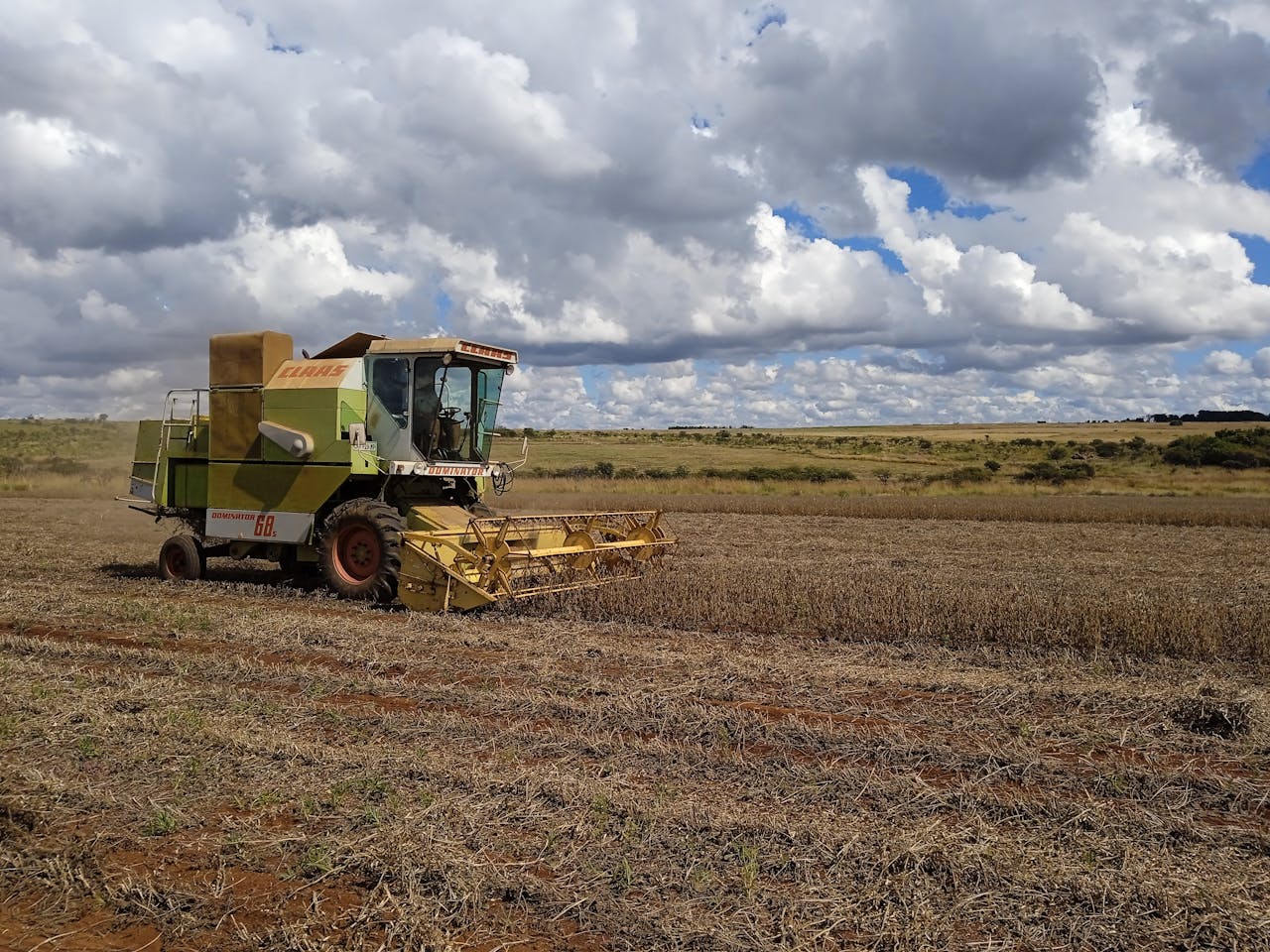
The modernization of small-scale and commercial farming is a top priority. Brazilian manufacturers of agricultural machinery, specialized in rugged, tropical-adapted equipment, are expanding their footprint. Investments in this sector support the mechanization needed to scale food production while maintaining sustainable soil management practices.
Genetic Improvement and Livestock Management
Brazil’s world-leading expertise in bovine and buffalo genetics—including embryo transfer and specialized livestock health systems is becoming a key export to African nations looking to improve their protein production. These technologies, combined with the adaptation of Brazilian forage grasses, are significantly improving the productivity and climate resilience of African livestock systems.
Climate-Smart Irrigation and Water Management
Water scarcity is a defining challenge for tropical agriculture. Brazilian experience in managing semi-arid zones and developing low-energy irrigation systems is providing crucial solutions for African farmers. By deploying these innovations, the partnership is transforming previously unproductive land into thriving agricultural hubs, directly contributing to food security.
Why Brazil is a Strategic Frontier for African Agri-Investment
The partnership provides a structured, reliable path to market entry for those looking to invest in African agriculture.
- Demand-Driven Cooperation: Unlike top-down models, the Brazil-Africa partnership is fundamentally demand-driven, aligning with national programs such as the Comprehensive Africa Agriculture Development Programme (CAADP).
- Focus on Institutional Capacity: The partnership goes beyond technology to include institutional development, helping African nations build the regulatory and research infrastructure necessary for a competitive agricultural sector.
- South-South Connectivity: By creating a continent-wide network of research and cooperation offices, Brazil is breaking the “silo” approach and fostering regional integration, making it easier for investors to operate across borders.
Frequently Asked Questions (FAQ)
- Why is Brazil prioritizing agricultural partnerships with Africa in 2026?
Brazil shares similar tropical soil and climate conditions, making its “tropical blueprint” highly adaptable. This South-South cooperation aims to combat global hunger and support Africa’s goal of becoming a global food producer.
- How does EMBRAPA contribute to this partnership?
EMBRAPA acts as the technical engine of the cooperation, transferring research on soil management, crop varieties, livestock health, and agro-forestry systems adapted to tropical biomes.
- What technologies are currently being exported from Brazil to Africa?
Exports include precision agricultural machinery, genetic material (semen/embryos for cattle), AI-driven farm management software, and drought-resistant seeds (such as Brachiaria grass).
- Are these projects sustainable?
Yes. The partnership emphasizes sustainable production systems, rational use of natural resources, and the rehabilitation of degraded pastures, all of which align with long-term ESG and climate resilience goals.
- How can Yes! Invest Africa help me participate in these opportunities?
We act as your strategic bridge, identifying bankable agricultural projects, conducting technical due diligence, and facilitating introductions to both Brazilian technology providers and local African authorities.
Cultivate Growth with Yes! Invest Africa
The agricultural transformation in Africa is one of the most significant investment opportunities of our time. By leveraging Brazilian technological precision and African continental potential, these partnerships are building the future of global food security. For the global investor, this is the definitive opportunity to participate in a sector that is essential for both economic survival and long-term prosperity.
At Yes! Invest Africa, we are more than just advisors; we are your strategic partners on the ground. Whether you are looking to invest in precision machinery, agtech software, or integrated processing hubs, our team has the vision and the connections to ensure your investment is secure, compliant, and positioned for maximum global impact.
Contact Yes! Invest Africa today to access our 2026 Africa-Brazil Agri-Investment Report.