 Article Writer
Korea’s Infrastructure in Central Africa: A New Paradigm for Development
In 2026, the landscape of infrastructure development in Central Africa is undergoing a profound transformation. As regional nations accelerate their industrialization agendas and seek to enhance connectivity, the Republic of Korea has emerged as a premier strategic partner. Korea’s Infrastructure expertise recognized globally for high-speed precision, advanced technological integration, and resilient engineering is now anchoring some of the most ambitious development projects across the heart of the continent.
At Yes! Invest Africa, we understand that infrastructure is the vital lifeblood of economic growth. Korea’s sophisticated engagement model centered on the “Korea-Africa Partnership Strategy” is not just about building roads and power grids; it is about creating sustainable, high-tech ecosystems that bridge the gap between Central Africa’s vast potential and global market participation.
The Strategic Blueprint: Precision Meets Potential
Korea’s engagement in Central Africa is defined by a unique fusion of institutional commitment and private sector innovation. Unlike traditional infrastructure models that focus solely on civil works, the Korean approach integrates “Smart Technology” at every stage of the project lifecycle.
1. Integrating Smart Technology into Civil Engineering
Korea is globally renowned for its prowess in “Smart Infrastructure.” In Central Africa, Korean firms are deploying advanced building management systems, automated traffic control, and digitized logistics platforms. By embedding Internet of Things (IoT) sensors into bridges, highways, and utility networks, these projects provide real-time data that enhances maintenance efficiency and operational longevity. According to the African Development Bank (AfDB), the adoption of smart infrastructure is essential for reducing the high costs of trade and logistics that currently hinder intra-regional commerce.
2. The Energy-Infrastructure Nexus
Sustainable energy is the foundation of industrial growth. Korean engineering consortia are increasingly focused on the “Energy-Infrastructure Nexus,” where power generation and distribution are integrated into the design of industrial parks and special economic zones. By co-locating solar-plus-storage energy facilities with manufacturing hubs, these projects provide the stable, 24/7 power supply necessary for Central African nations to scale their domestic manufacturing capacity.
3. Vocational Training and Knowledge Transfer
Infrastructure longevity is inextricably linked to local maintenance capacity. A core pillar of Korea’s Infrastructure engagement is the establishment of technical vocational centers. These hubs are designed to transfer high-level engineering skills to local workforces, ensuring that once a project is commissioned, it is managed and optimized by local professionals. This commitment to human capital development is what distinguishes the Korean model from other international partners.
High-Impact Infrastructure Verticals in Central Africa
To maximize ROI and regional impact, investors must look to the specific domains where Korean precision is creating the most significant change.
Transportation and Integrated Logistics
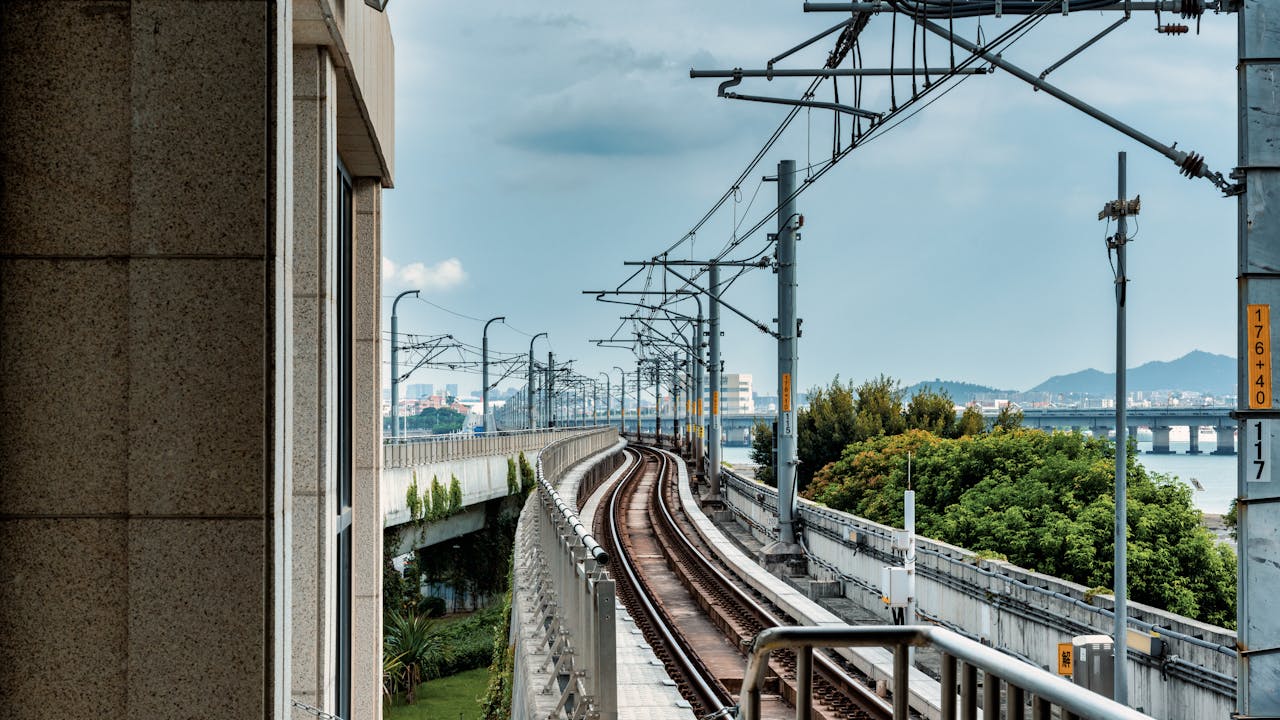
Central Africa faces unique logistical hurdles, particularly in connecting landlocked hubs to coastal ports. Korean engineering firms are applying their experience in mountainous and complex terrain development to build resilient rail and road corridors. These projects are crucial for supporting the movement of agricultural and mineral exports, directly fueling regional GDP growth.
Urban Infrastructure and “Green Cities”
As Central African cities face rapid urbanization, there is a surge in demand for sustainable urban solutions. Korean-led projects are increasingly focusing on “Green Cities” initiatives integrated urban designs that incorporate high-efficiency housing, modular water treatment facilities, and circular waste-management systems. These projects set a new standard for livability and resilience in a rapidly changing urban environment.
Digital Infrastructure and Cybersecurity
Digital connectivity is the backbone of the modern economy. Korea is providing the hardware, fiber-optic connectivity, and cybersecurity software necessary for Central African nations to secure their digital borders and participate in the digital economy. By building secure data centers and high-speed communication networks, Korea is laying the digital foundation for the next decade of regional growth.
Navigating the 2026 Investment Climate
While the potential for Korea’s Infrastructure expansion in Central Africa is immense, professional investors must navigate the landscape with a clear, strategic framework.
- Strategic Partnerships: Success lies in deep collaboration with local governments and regional institutional partners. Solution: Engage with partners like Yes! Invest Africa to identify reputable local entities that align with your ESG and operational goals.
- Leveraging Institutional Financing: Many Korean-led projects leverage co-financing from institutions like the Export-Import Bank of Korea (KEXIM), which provides significant risk mitigation and institutional stability for infrastructure deals.
- Prioritizing Resilience: In an era of climate change, infrastructure must be built for durability. Focus on projects that incorporate high-grade materials and climate-adaptive designs, which are a hallmark of Korean engineering standards.
Frequently Asked Questions (FAQ)
- Why is Korea prioritizing infrastructure projects in Central Africa in 2026?
Korea aims to strengthen its diplomatic and economic ties with the region by sharing its world-class engineering expertise and supporting sustainable industrialization through high-tech infrastructure.
- What distinguishes Korea’s approach to infrastructure?
Korea integrates smart technology (IoT, AI, automation) into traditional civil works, focuses on human capital development (vocational training), and prioritizes sustainable, long-term operational efficiency.
- How do these projects benefit local communities?
These investments provide essential power and transport links, create high-skill jobs, support the growth of domestic manufacturing, and improve the resilience of cities and essential services.
- Are these projects sustainable?
Yes. Korean engineering firms prioritize the use of durable, efficient materials and incorporate green energy solutions, ensuring that infrastructure meets global environmental and performance standards.
- How can Yes! Invest Africa help investors engage with this sector?
We act as your strategic bridge identifying bankable infrastructure concessions, conducting due diligence, and facilitating introductions to Korean technology consortia and local Central African stakeholders.
Build the Future with Yes! Invest Africa
Korea’s Infrastructure in Central Africa in 2026 represents a masterclass in strategic partnership. By leveraging Korean technological precision and Central African potential, these projects are setting a new standard for sustainable industrial development. For the global investor, the current window offers the chance to participate in a high-impact, high-growth sector that is essential for the region’s prosperity.
At Yes! Invest Africa, we are more than advisors; we are your strategic partners on the ground. Whether you are looking to invest in a rail corridor, a smart-city project, or the digital infrastructure that powers them, our team provides the insight, the connections, and the vision to ensure your investment is secure, compliant, and positioned for global impact.
Contact Yes! Invest Africa today to access our 2026 Central Africa Infrastructure Investment Prospectus.