 Article Writer
Cash Crops Africa: Profitable Farming Ventures in the 2026 Global Market
The narrative of African agriculture is undergoing a radical transformation in 2026. No longer viewed simply through the lens of subsistence, the continent is asserting itself as the world’s most vital hub for high-value agricultural commodities. Cash Crops Africa represents a frontier of immense profitability, driven by a global surge in demand for organic produce, sustainable textiles, and specialized food ingredients. For the strategic investor, the shift toward commercialized, tech-enabled farming is creating a landscape where high returns meet sustainable impact.
At Yes! Invest Africa, we track the evolution of these “green gold” markets. We recognize that the intersection of vast arable land, a youthful workforce, and the integration of AgTech is positioning Africa as the definitive powerhouse for global food security and industrial raw materials.
The Strategic Shift: Why Invest in Cash Crops Africa Now?
The year 2026 has brought several structural changes to the global supply chain that favor African producers. As traditional agricultural hubs face climate volatility and land exhaustion, Africa’s underexploited potential is being unlocked by strategic investment and policy reform.
1. Global Demand and Market Access
The implementation of the African Continental Free Trade Area (AfCFTA) has significantly reduced the friction of intra-African trade, allowing cash crops to move seamlessly from farms to regional processing hubs. Simultaneously, Europe and North America have increased their demand for traceable, ethically sourced tropical products. This dual demand—regional and international—ensures that Cash Crops Africa ventures have multiple exit strategies and diversified revenue streams.
2. The Premium on Organic and Sustainable Labels
Modern consumers are willing to pay a premium for “conscious” products. African farmers are increasingly adopting regenerative agriculture practices that align with global Environmental, Social, and Governance (ESG) standards. By securing certifications such as Fairtrade or Organic, African agribusinesses are capturing higher margins in the global marketplace.
3. AgTech Integration: Precision at Scale
The “tech-leapfrogging” phenomenon is now visible in the fields. From drone-based crop monitoring in Ghana to AI-driven irrigation systems in Kenya, technology is mitigating the risks historically associated with African farming. This precision ensures consistent yields and high-quality outputs, making the sector increasingly “bankable” for institutional investors.
High-Profitability Farming Ventures in 2026
To maximize ROI, investors must look beyond traditional staples and focus on the crops that are currently experiencing a global supply-demand imbalance.
The Cocoa and Coffee Renaissance
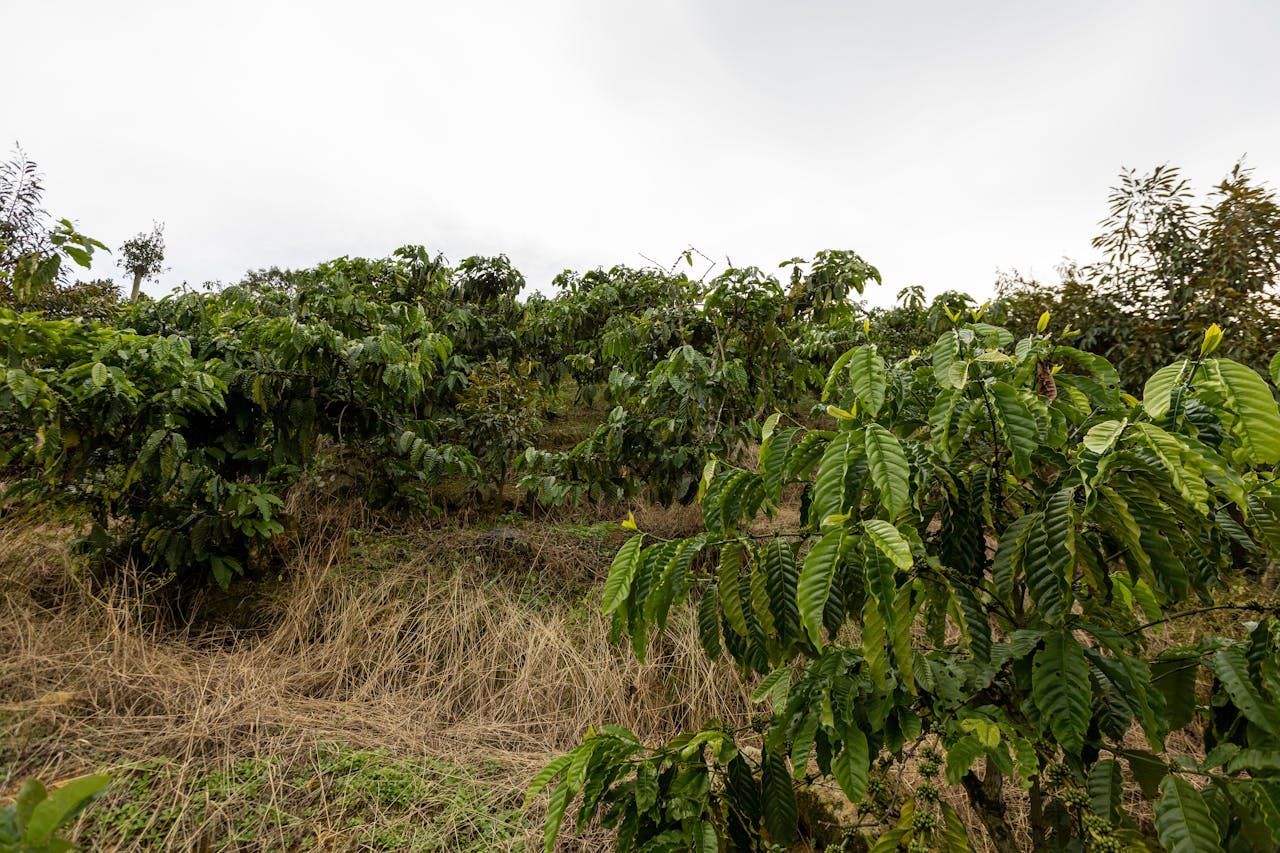
While these have always been pillars of West and East African exports, 2026 is seeing a shift toward “specialty” and “single-origin” markets. Investment is flowing into high-tech fermentation and drying facilities, allowing local producers to capture the value-added segment of the market rather than just exporting raw beans.
Sustainable Fiber: The Rise of African Cotton and Sisal
As the global fashion industry moves away from synthetic, petroleum-based fibers, the demand for sustainable African cotton is skyrocketing. Countries like Benin and Burkina Faso are attracting investment in integrated textile zones, where cotton is grown, ginned, and spun locally, significantly increasing the profit per hectare.
High-Value Horticulture: Avocados, Macadamias, and Berries
Southern and East Africa have become the preferred suppliers for the “superfood” market. The macadamia nut industry in South Africa and Kenya is currently one of the highest-margin agricultural ventures on the continent. These crops require precision logistics and cold-chain infrastructure, creating secondary investment opportunities in the agricultural supply chain.
Cashews and Sesame: The Industrial Food Staples
West Africa is the world’s largest producer of raw cashew nuts. In 2026, the focus is on domestic processing. Investors are backing large-scale shelling and peeling plants in Côte d’Ivoire and Nigeria, turning a raw commodity into a high-value export-ready ingredient for the global snack and plant-based milk industries.
Overcoming Challenges: The Investment Infrastructure
While the profitability of Cash Crops Africa is undeniable, success requires a sophisticated approach to risk management and infrastructure.
Building Resilient Cold Chains
One of the biggest hurdles to agricultural profitability is post-harvest loss. Strategic investment is now being funneled into solar-powered cold storage units and refrigerated logistics. According to the Food and Agriculture Organization (FAO), reducing these losses could increase the income of African farmers by up to 30% without increasing the land under cultivation.
Empowering Smallholder Aggregation
The backbone of African agriculture remains the smallholder farmer. Profitable ventures in 2026 utilize “outgrower models” or digital cooperatives. By aggregating thousands of small farms through mobile platforms, investors can achieve industrial scale while maintaining the social impact required for ESG-focused portfolios.
Climate-Smart Irrigation
To combat the unpredictability of rainfall, the most successful farming ventures are investing in decentralized irrigation. Solar-powered drip systems ensure that crops receive the exact amount of water needed, maximizing yields while preserving precious local water resources.
Why Yes! Invest Africa is Your Strategic Partner
Navigating the agricultural landscape of 2026 requires more than just capital; it requires deep local roots and a technical understanding of the value chain. At Yes! Invest Africa, we provide the bridge between global capital and the most promising agricultural concessions on the continent.
- Due Diligence: We perform rigorous soil, water, and legal audits on every agricultural project we recommend.
- ESG Integration: We ensure that every venture adheres to international standards for labor, environment, and community engagement.
- Market Intelligence: Our team provides real-time data on global commodity prices and regional trade policies to optimize your exit strategy.
Frequently Asked Questions (FAQ)
- Which cash crop offers the highest return on investment in 2026?
Currently, specialty macadamia nuts and organic avocados are among the highest-margin crops due to their soaring demand in the global health-food market and their suitability for East and Southern African climates.
- How has the AfCFTA impacted the profitability of African farming?
It has drastically reduced tariffs and trade barriers within the continent, allowing farmers to sell to a market of 1.3 billion people and encouraging the growth of regional food processing hubs.
- What are the main risks associated with Cash Crops Africa?
The primary risks include climate volatility, post-harvest losses, and price fluctuations. However, these are increasingly being mitigated through AgTech, insurance products, and integrated cold-chain logistics.
- Can I invest in African agriculture as a hands-off investor?
Yes. Many investors participate through private equity funds focused on agribusiness or by backing “aggregator” companies that manage the end-to-end value chain from seed to export.
- How does AgTech help in reducing farming risks?
AgTech provides satellite-based weather forecasting, drone monitoring for early pest detection, and precision irrigation, all of which ensure more stable yields and better resource management.
Cultivate Your Success with Yes! Invest Africa
The era of African agricultural potential is being replaced by an era of African agricultural dominance. Cash Crops Africa offers a unique opportunity to align your portfolio with the foundational needs of the global population while securing impressive financial returns.
At Yes! Invest Africa, we are committed to helping you navigate this green frontier. Whether you are looking to invest in a cashew processing facility, a macadamia plantation, or the digital infrastructure that connects them, our team is ready to ensure your venture is both profitable and sustainable.
Contact Yes! Invest Africa today to access our 2026 Agriculture Investment Prospectus