 Article Writer
Renewable Energy Africa: Africa’s Green Shift
The global energy narrative is undergoing a seismic transformation, and at the heart of this revolution is the African continent. In 2026, the transition toward sustainable power is no longer just an environmental ideal; it is a profound economic imperative. Renewable Energy Africa has emerged as the most significant investment frontier of the decade, signaling a “Green Shift” that promises to decouple economic growth from carbon emissions while providing universal energy access to millions.
At Yes! Invest Africa, we recognize that the continent’s vast natural resources sun, wind, and water are the foundational assets of a new industrial era. By aligning strategic international capital with localized technological innovation, Africa is positioning itself as a global leader in the green transition.
The Strategic Imperative of Africa’s Green Shift
The momentum behind Renewable Energy Africa is driven by a unique convergence of falling technology costs, increasing climate urgency, and a desperate need for reliable power to fuel industrialization.
1. Solar Potential: The World’s Most Abundant Energy Resource
Africa possesses some of the highest solar irradiation levels on the planet. In 2026, utility-scale solar projects are being deployed at record speeds across the Sahel and Southern Africa. These projects are no longer experimental; they are the primary source of new generation capacity. According to the International Renewable Energy Agency (IRENA), solar PV is now the most cost-effective solution for both grid-connected and off-grid power in Africa, offering a decentralized model that bypasses the limitations of legacy infrastructure.
2. Wind Power and Coastal Energy Corridors
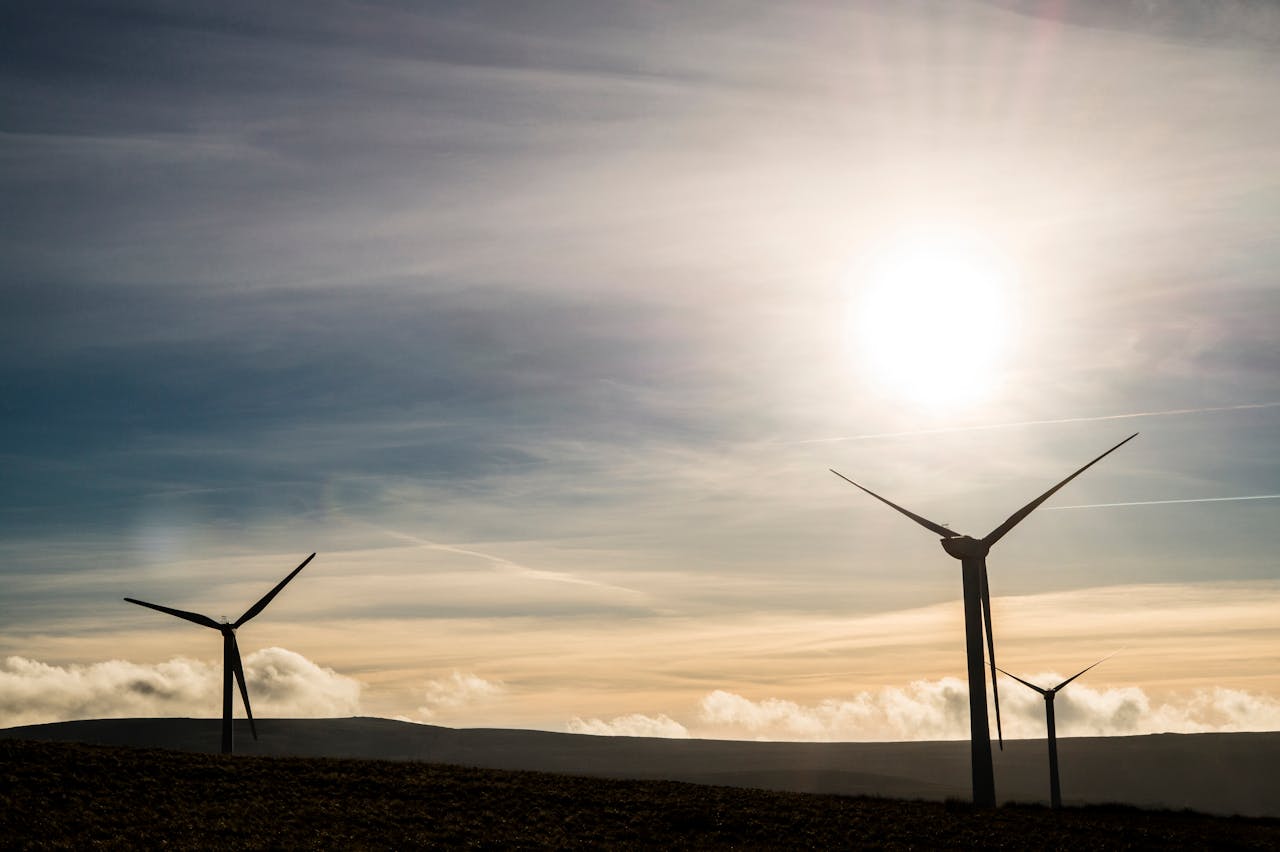
From the windy shores of Morocco and Egypt to the high-potential corridors in Kenya and South Africa, wind energy is providing a critical, high-load balance to solar generation. Large-scale wind farms are now being integrated with regional transmission lines, creating “Green Corridors” that move power across borders, fostering regional integration and stability.
3. Green Hydrogen: Africa’s New Export Frontier
One of the most exciting developments in 2026 is the rise of Green Hydrogen. By using renewable electricity to split water into hydrogen and oxygen, African nations like Mauritania, Namibia, and Egypt are positioning themselves as major exporters to the European and Asian markets. This not only drives foreign direct investment (FDI) but also creates a domestic supply of clean fuel for heavy industry and transport.
Technical Innovation and Grid Modernization
The success of Renewable Energy Africa depends on more than just generation; it requires a sophisticated digital and physical “backbone” to manage the flow of green power.
Smart Grids and AI-Driven Management
Legacy grids are often unable to handle the variable nature of solar and wind. In 2026, African utilities are leapfrogging traditional systems by deploying Smart Grids. These systems use AI to predict weather patterns and adjust power distribution in real-time, ensuring grid stability even with high levels of renewable penetration.
Large-Scale Energy Storage Solutions (BESS)
Battery Energy Storage Systems (BESS) have become the “silent partners” of the green shift. By capturing excess solar power during the day and releasing it at night, large-scale battery installations are allowing renewables to provide “base-load” power the constant supply needed for factories and hospitals. This technological integration is the key to proving that a 100% renewable future is technically and economically viable for Africa.
Decentralized Mini-Grids and Rural Electrification
While massive plants grab headlines, the true social impact of the green shift is felt in rural communities. Solar-powered mini-grids are providing reliable, pay-as-you-go electricity to villages that have never been connected to the national grid. This “bottom-up” electrification is driving entrepreneurship, improving healthcare outcomes, and transforming education across the continent.
Navigating the Investment Landscape: Why Act Now?
For the strategic investor, the current window for Renewable Energy Africa offers a rare combination of high growth, positive social impact, and strong institutional support.
- Multilateral Backing: Organizations like the African Development Bank (AfDB) are providing extensive de-risking facilities and co-financing for renewable projects. This institutional support significantly reduces the risk profile for private equity and institutional capital.
- Carbon Credit Markets: In 2026, the voluntary and compliance carbon markets have reached maturity. Renewable energy projects in Africa are generating high-quality carbon credits that are in high demand by global corporations looking to offset their emissions, providing an additional, stable revenue stream for developers.
- Strategic Resource Sovereignty: As the world moves away from fossil fuels, the nations that control the lowest-cost renewable energy will hold significant strategic advantages. Investing in African green energy is an investment in the foundational infrastructure of the future global economy.
Frequently Asked Questions (FAQ)
- Why is Africa considered the best place for renewable energy investment in 2026?
Africa has the world’s best solar resources, vast wind potential, and emerging green hydrogen hubs. Combined with a massive and growing demand for power, the continent offers unmatched growth potential for green energy.
- How do renewables help with Africa’s industrialization?
Renewables provide a cheaper and more reliable source of power than legacy fossil fuel plants. By lowering the cost of electricity, green energy makes African manufacturing more competitive in the global market.
- What role does Green Hydrogen play in the “Green Shift”?
Green Hydrogen allows Africa to “export” its renewable energy to global markets in the form of a clean fuel, while also providing a carbon-free solution for domestic heavy industries like steel and fertilizer production.
- Are these projects environmentally and socially sustainable?
Yes. Modern renewable projects in Africa are held to the highest global ESG standards, incorporating community ownership models, local hiring practices, and rigorous environmental impact assessments.
- How can Yes! Invest Africa assist me in entering the renewable sector?
We act as your strategic bridge identifying bankable projects, performing ground-level due diligence, and facilitating partnerships with local developers and government authorities to ensure your investment is both high-impact and high-return.
Power the Future with Yes! Invest Africa
The Renewable Energy Africa revolution is the defining economic event of 2026. This “Green Shift” is not just about changing where our power comes from; it’s about changing who has power and how it drives progress. For the forward-thinking investor, the opportunity to participate in this transformation is now.
At Yes! Invest Africa, we are committed to being your partner on the ground. We combine technical expertise with deep local roots to help you navigate the complexities of the African energy sector. The sun is rising on a new era of African prosperity let’s capture it together.
Contact Yes! Invest Africa today to access our 2026 Africa Renewable Energy Investment Prospectus.