 Article Writer
Africa is the world’s most undervalued agricultural investment frontier and at the center of that opportunity sits one of the most powerful and globally connected categories in farming: cash crops. Cocoa, coffee, cotton, tea, rubber, palm oil, sugarcane, and cashew nuts. These are not subsistence commodities they are the raw ingredients of trillion-dollar global industries, grown primarily on African soil, yet processed and monetized overwhelmingly outside the continent.
That gap between where cash crops are grown and where their value is captured is precisely where the most compelling investment opportunity exists. And it is closing rapidly, driven by African government policy, growing infrastructure, and the increasing sophistication of global investors who understand what that margin shift means for returns.
At YES! Invest Africa, we connect foreign investors with verified, high-return cash crop opportunities across Africa structured not just for commodity exposure, but for the manufacturing and processing value chain that multiplies returns and creates lasting economic transformation.
Why Cash Crops in Africa Represent a Structural Investment Opportunity
Africa Dominates Global Cash Crop Supply — But Exports Raw
Africa’s dominance in global cash crop supply is extraordinary. According to the Food and Agriculture Organization of the United Nations (FAO), Africa produces:
- Over 70% of the world’s cocoa — primarily from Ivory Coast and Ghana
- More than 12% of global coffee — from Ethiopia, Uganda, Tanzania, and Kenya
- Approximately 65% of the world’s cashew nuts — from West Africa, led by Ivory Coast and Guinea-Bissau
- Over 60% of global palm oil — from West and Central Africa, competing with Southeast Asian producers
- Significant shares of global rubber, cotton, tea, and sugarcane — spread across East, West, and Central Africa
Yet despite this production dominance, the value Africa captures remains a fraction of the final market price. A kilogram of raw cocoa beans fetches roughly $2–3 on the commodity market. That same kilogram processed into premium chocolate commands $20–30 or more on European retail shelves. The manufacturing margin estimated at 10 to 15 times the raw commodity value for cocoa alone flows almost entirely to processors in Europe, North America, and Asia.
For investors, this is not merely an economic inefficiency. It is a structurally investable opportunity that African governments are actively incentivizing through processing mandates, export duties on raw commodities, industrial zone tax exemptions, and FDI-friendly regulatory reforms.
The Global Demand Curve Is Structurally Rising
Cash crop demand is not cyclical it is structurally driven by population growth, rising middle-class consumption, and the premiumization of global food and beverage markets. The International Cocoa Organization (ICCO) projects sustained growth in global cocoa demand through 2030, driven by Asia’s growing chocolate consumption market. The International Coffee Organization (ICO) similarly forecasts growing global coffee demand, with specialty and sustainable-certified origins commanding premium pricing that benefits African producers who invest in quality processing.
For investors in African cash crops, these demand trends translate into a commodity tailwind that strengthens rather than weakens the investment case over time a rare combination in today’s volatile global market environment.
Africa’s Most Compelling Cash Crop Investment Categories
Cocoa: The Global Standard for Agro-Processing Returns
No cash crop exemplifies Africa’s processing opportunity more powerfully than cocoa. Ivory Coast alone produces over 40% of the world’s cocoa supply yet processes less than 35% of it domestically. The government has introduced grinding mandates and industrial zone incentives specifically to attract cocoa processing investment, creating a policy environment that directly rewards investors who establish processing facilities in-country.
Investment opportunities in cocoa span:
- Primary processing — fermentation, drying, and cleaning facilities
- Secondary processing — cocoa butter extraction, cocoa powder manufacturing, cocoa liquor production
- Finished product manufacturing — chocolate bars, confectionery, and branded consumer products for domestic and export markets
- Sustainable certification — Rainforest Alliance and Fairtrade certified supply chains that command premium pricing from international buyers
YES! Invest Africa actively facilitates cocoa processing investment in Ivory Coast and Ghana, connected directly to Agriculture & Agribusiness opportunities across West Africa’s most productive growing regions.
Coffee: Africa’s Premium Origin Advantage
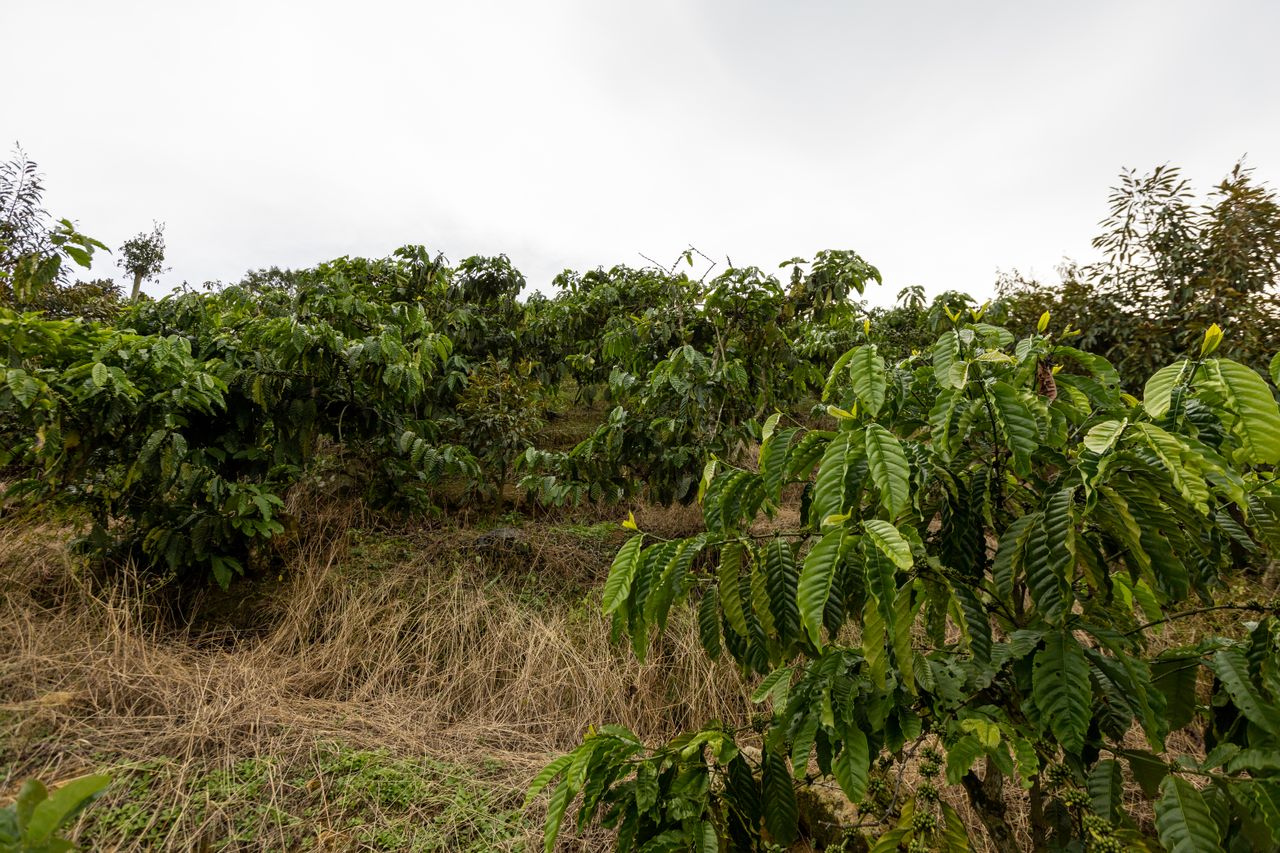
Ethiopia is the birthplace of coffee and it remains one of the world’s most coveted specialty coffee origins. African coffees from Ethiopia, Kenya, Uganda, Rwanda, and Tanzania command some of the highest per-kilogram prices in the global specialty market, driven by exceptional cup quality, traceable single-origin heritage, and growing consumer preference for sustainable, direct-trade sourcing.
According to the International Coffee Organization, Africa accounts for approximately 12% of global coffee production but an outsized share of the specialty and premium segments — where margins are highest and demand growth is fastest. Investment opportunities include:
- Wet and dry processing mills — improving bean quality and capturing processing margin
- Specialty roasting and packaging facilities — for domestic and export markets
- Export logistics and cold chain — reducing post-harvest loss and improving quality consistency
- Direct trade and traceability platforms — connecting African farmers to premium global buyers
The World Bank identifies coffee value chain investment in East Africa as one of the highest-priority agricultural investment themes for poverty reduction and export revenue growth — aligning commercial return with measurable development impact.
Cashew Nuts: West Africa’s Underprocessed Goldmine
West Africa produces the majority of the world’s raw cashew nuts — yet exports over 80% of them as unprocessed Raw Cashew Nuts (RCN) to processing facilities in Vietnam and India, where the shelling, grading, and packaging margin is captured by Asian operators. This dynamic is precisely analogous to cocoa’s processing gap — and it is changing rapidly.
Guinea-Bissau, Ivory Coast, Senegal, Benin, and Tanzania are all implementing policies to incentivize domestic cashew processing. For investors, the opportunity is clear: establish shelling and processing facilities in West Africa, capture the $3–5 per kilogram processing margin, and supply the growing global market for packaged, branded cashew products. The African Development Bank (AfDB) has identified cashew processing as a top agribusiness investment priority across West Africa.
Palm Oil: Expanding Africa’s Role in the Global Edible Oil Market
Palm oil is the world’s most widely consumed edible oil, with global demand growing steadily according to the FAO. West and Central Africa — the original home of the oil palm — are dramatically underproducing relative to their natural potential, as Southeast Asian producers currently dominate global supply.
Investment in African palm oil creates an opportunity to develop sustainable production capacity in Nigeria, Cameroon, the DRC, Liberia, and Sierra Leone markets where land availability, climate conditions, and government support for agricultural investment converge. Crucially, African palm oil producers who adopt sustainability certification frameworks — such as the Roundtable on Sustainable Palm Oil (RSPO) standards can access premium pricing from European and North American buyers whose supply chains are moving away from deforestation-linked Southeast Asian sources.
Cotton and Textile Value Chains
Sub-Saharan Africa produces significant cotton volumes across Mali, Burkina Faso, Côte d’Ivoire, Tanzania, and Zimbabwe — yet exports the vast majority as raw fiber to textile mills in Asia. Investment in African cotton ginning, spinning, weaving, and garment manufacturing creates an integrated value chain that retains the entire textile manufacturing margin within Africa.
The African Continental Free Trade Area (AfCFTA) — which entered into force in 2021 and is progressively liberalizing trade across 54 African nations creates a powerful new market for intra-African textile trade, enabling manufacturers established in one African country to sell duty-free across the continent’s 1.5 billion-person consumer market.
How YES! Invest Africa Structures Cash Crop Investments
From Field to Finished Product — The Full Value Chain Approach
At YES! Invest Africa, we do not simply connect investors to commodity farms. We facilitate integrated value chain investments that capture the full margin from cultivation through processing to finished product the approach that maximizes return, creates the most employment, and generates the most durable competitive advantage.
Every cash crop investment we facilitate is structured with:
- Verified project due diligence — legal compliance, land tenure confirmation, community consent, and environmental assessment
- Enforceable off-take agreements — connecting processing facilities to guaranteed buyers across global markets
- Sustainability certification pathways — Rainforest Alliance, Fairtrade, RSPO, and organic certification support
- Legal security frameworks — compliant with host-country law, applicable bilateral investment treaties, and OECD Guidelines for Multinational Enterprises
- Ongoing operational support — post-investment oversight, performance monitoring, and market access facilitation
Frequently Asked Questions (FAQ)
- Why are cash crops in Africa more attractive than commodity investments in other regions?
Africa combines three factors that no other region simultaneously offers: production dominance in the world’s most in-demand cash crops, a massive unprocessed commodity gap where manufacturing margins currently flow overseas, and active government policies incentivizing domestic processing through tax exemptions, export duties on raw commodities, and industrial zone development. Investors who enter Africa’s cash crop processing sector now are capturing a structural margin shift not just commodity exposure.
- What is the difference between investing in cash crop production versus cash crop processing?
Primary production farming the crop generates returns tied directly to commodity price cycles and weather risk. Processing transforming raw crops into semi-finished or finished products — generates returns from the manufacturing margin, which is far larger and less volatile than raw commodity prices. For cocoa, the processing margin is 10–15x the raw bean value. For cashews, it is $3–5 per kilogram above the Raw Cashew Nut price. YES! Invest Africa prioritizes processing investment for this reason.
- Which African countries offer the strongest cash crop investment opportunities right now?
The most commercially active cash crop investment markets in 2025–2026 are Ivory Coast and Ghana (cocoa processing), Ethiopia and Kenya (specialty coffee), West Africa broadly (cashew processing), Nigeria and Cameroon (palm oil), and Mali and Tanzania (cotton and textile value chains). The right market depends on your sector focus, capital size, and risk appetite — our advisory team provides customized country-sector matching.
- How does YES! Invest Africa ensure my cash crop investment is legally protected?
Every project is structured through enforceable contracts compliant with host-country agricultural investment law, applicable bilateral investment treaties, and OECD multinational enterprise guidelines. We conduct rigorous pre-investment due diligence covering land tenure, regulatory compliance, counterparty verification, and community consent and provide ongoing legal oversight post-investment to ensure compliance is maintained throughout the investment lifecycle.
- Can cash crop investments in Africa meet international ESG and sustainability standards?
Absolutely. YES! Invest Africa integrates sustainability certification pathways including Rainforest Alliance, Fairtrade, and RSPO into every relevant cash crop investment structure. These certifications not only satisfy ESG reporting requirements for institutional investors but actively increase project revenues by enabling access to premium-priced, sustainability-committed buyer markets in Europe, North America, and Asia.
Ready to Invest in Africa’s Cash Crop Revolution?
The margin is shifting from overseas processors back to Africa and the investors who act now will secure the best projects, the strongest returns, and the most durable competitive positions. From cocoa grinding in Ivory Coast to specialty coffee processing in Ethiopia and cashew shelling in Guinea-Bissau, the cash crop value chain opportunity is real, verified, and ready for your capital.
Connect with YES! Invest Africa today for a free, confidential consultation. Tell us your sector interests, capital parameters, and return objectives — and we will match you with the right cash crop investment opportunity, structured for legal security, maximum return, and genuine community impact.