 Article Writer
Tunisia’s Agriculture Modernization Drive: Cultivating the Future of Mediterranean Agri-Tech
The fertile plains of North Africa, once the “breadbasket” of the Roman Empire, are undergoing a 21st-century technological rebirth. In 2026, Tunisia’s Agriculture sector is no longer defined solely by traditional olive groves and date palms. Instead, it is being reshaped by an aggressive national strategy focused on sustainability, digital integration, and high-value exports. This Tunisia’s Agriculture Modernization Drive is a response to global climate pressures and a proactive leap toward becoming the Mediterranean’s premier hub for smart farming.
At Yes! Invest Africa, we recognize that Tunisia represents a unique high-yield opportunity for investors specializing in Agri-Tech, sustainable water management, and organic food processing. With its strategic proximity to European markets and a burgeoning ecosystem of biotech startups, Tunisia is proving that the future of food security is digital, efficient, and climate-resilient.
The Strategic Pillars of Tunisia’s Agriculture Modernization
The current acceleration in Tunisia’s agricultural productivity is built upon three foundational pillars that differentiate its “Green Drive” from other regional efforts.
1. Digital Transformation and Precision Farming
Tunisia is rapidly adopting IoT (Internet of Things) and AI-driven analytics to optimize crop yields. From satellite imagery that monitors soil health to automated irrigation systems that reduce water waste, “Smart Farming” is the new standard. This digital shift is a primary driver behind Tunisia’s Agriculture resilience, allowing farmers to maintain high output even during fluctuating weather patterns.
2. Water Security and Desalination Integration
Water is the lifeblood of agriculture, and Tunisia is leading the region in non-conventional water resource management. The modernization drive includes massive investments in solar-powered desalination plants and advanced wastewater treatment for irrigation. According to the World Bank Group, Tunisia’s integrated water management policies serve as a blueprint for other arid regions facing similar hydrological challenges.
3. The Organic and High-Value Export Pivot
Tunisia has successfully positioned itself as a global leader in organic farming. By focusing on high-margin products like organic extra virgin olive oil, Deglet Nour dates, and essential oils, the country is capturing a larger share of the premium European and North American retail markets. This shift from bulk commodity exports to branded, high-value goods is a cornerstone of the Tunisia’s Agriculture Modernization Drive.
Spotlight on Tunisia’s Agriculture Modernization Drive in 2026
To understand where the capital is flowing, we must look at the specific initiatives that are redefining the Tunisian countryside.
The “Olive Oil 4.0” Initiative
Tunisia is the world’s largest exporter of organic olive oil. The “Olive Oil 4.0” program integrates blockchain technology for full “farm-to-table” traceability. In 2026, international consumers can scan a QR code on a bottle of Tunisian oil to see the exact grove where the olives were harvested and the energy footprint of the pressing process. This transparency has significantly boosted the export value of Tunisian “Green Gold.”
The Sahara Green Greenhouse Complex
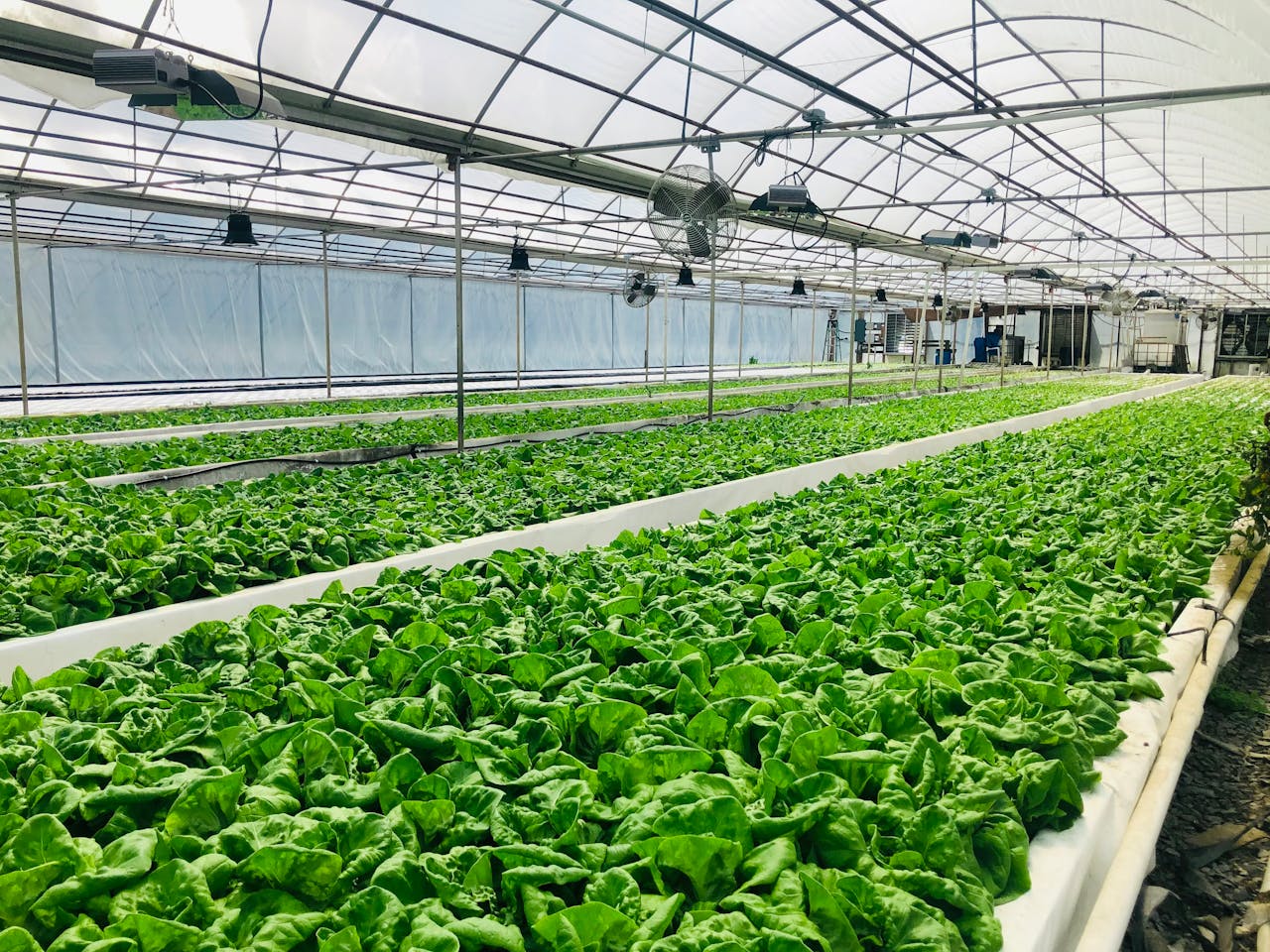
In the southern regions, Tunisia is pioneering high-tech greenhouse complexes that utilize geothermal energy and hydroponics. These facilities produce high-quality tomatoes, peppers, and berries year-round for the European winter market. For investors, these projects offer high IRR (Internal Rate of Return) due to low energy costs and zero-pesticide environments. The International Fund for Agricultural Development (IFAD) has identified these southern clusters as vital for regional rural employment.
Agri-Tech Startup Incubators in Tunis and Sfax
The modernization is not just happening in the fields, but in the labs. Cities like Tunis and Sfax have become hotspots for Agri-Tech startups. These companies are developing localized solutions for pest control using bio-pesticides and AI-powered drones for aerial fertilization. The synergy between the nation’s technical universities and its agricultural heritage is a key highlight of Tunisia’s Agriculture Modernization Drive.
Investment Opportunities in the Modernization Value Chain
For global institutional investors and private equity firms, the Tunisian agricultural landscape offers diverse entry points with strong ESG (Environmental, Social, and Governance) credentials.
Cold Chain Logistics and Infrastructure
One of the most pressing needs in Tunisia’s Agriculture is the modernization of the cold chain. There is a massive demand for solar-powered cold storage facilities and refrigerated transport to reduce post-harvest losses. Investors specializing in logistics infrastructure will find a highly receptive market with significant government incentives for “Green Logistics” development.
Sustainable Fertilizer and Bio-Input Production
As global demand for organic products grows, the need for certified bio-fertilizers and organic pest control has skyrocketed. Tunisia’s proximity to phosphate resources (from neighboring regions) and its own thriving biotech sector make it an ideal location for manufacturing organic inputs for the entire African and European markets.
Agritourism and Educational Farms
A new niche emerging in 2026 is “Agritourism” combining traditional farming with luxury hospitality. Investors are developing “Experiential Farms” where travelers can participate in the olive harvest or date picking while staying in eco-friendly boutiques. This diversification adds a secondary revenue stream to agricultural land and promotes rural development.
Navigating the 2026 Investment Climate: Risks and Rewards
While the Tunisia’s Agriculture Modernization Drive is promising, sophisticated investors must navigate the landscape with a clear understanding of the regulatory and economic environment.
- Land Ownership Regulations: While land ownership for foreigners has historical restrictions, long-term leasehold agreements (up to 99 years) and specialized investment vehicles are available for international firms. Solution: Partner with Yes! Invest Africa to structure your investment through the Tunisian Investment Authority (TIA) to ensure full legal compliance.
- Climate Variability: Despite modernization, climate remains a factor. Solution: Prioritize projects that utilize “Climate-Smart” technology, such as drought-resistant seed varieties and precision irrigation, which are often eligible for “Green Finance” grants from the African Development Bank (AfDB).
- Market Access and Trade Agreements: Tunisia benefits from a Deep and Comprehensive Free Trade Area (DCFTA) with the EU. Solution: Ensure your production standards align with EU “Green Deal” requirements to enjoy duty-free access to a market of 450 million consumers.
The Food and Agriculture Organization (FAO) continues to provide technical support for Tunisia’s transition, ensuring that modernization remains inclusive of smallholder farmers while attracting large-scale industrial capital.
FAQ – Tunisia’s Agriculture Modernization
Q1: Why is Tunisia currently the leader in organic farming in Africa?
Tunisia has the highest area of certified organic land in Africa relative to its size. A long history of traditional, low-chemical farming made the transition to official organic certification faster and more efficient than in other regions.
Q2: What are the main incentives for Agri-Tech investors in 2026?
The “Digital Tunisia” initiative offers tax holidays for tech-focused agricultural startups, subsidized energy for smart-irrigation projects, and streamlined customs for the import of specialized agricultural machinery.
Q3: How does the modernization drive affect small-scale farmers?
A key component of the drive is the “Digital Inclusion” program, which provides smallholders with mobile apps for weather forecasting, market pricing, and access to micro-finance, ensuring they are not left behind by the industrial shift.
Q4: Is it possible to export Tunisian agricultural products duty-free to Europe?
Yes. Under the existing trade agreements between Tunisia and the EU, the majority of agricultural products, including olive oil and dates, enjoy preferential or duty-free access, provided they meet strict quality and phytosanitary standards.
Q5: How can Yes! Invest Africa help me find bankable agricultural projects?
We act as your “Local Architect” from identifying available land in the Medjerda Valley to conducting technical due diligence on Agri-Tech startups and facilitating high-level government relations.
Conclusion: Cultivate Growth with Yes! Invest Africa
The Tunisia’s Agriculture Modernization Drive of 2026 is more than an economic project; it is a vision of how technology can harmonize with heritage to solve global food challenges. Tunisia has proven that it is possible to modernize without losing the “soul” of its agricultural tradition. For the investor, this is a moment to secure assets in a market where sustainability is not just a buzzword, but the core business model.
At Yes! Invest Africa, we are your strategic partners in the Mediterranean. Whether you are looking to invest in a solar-desalination project, an organic olive oil refinery, or a cutting-edge Agri-Tech startup in Tunis, our team provides the insight, the connections, and the vision to ensure your investment is secure, compliant, and positioned for global impact.
Contact Yes! Invest Africa today to access our 2026 Tunisia Agriculture Investment Report.