 Article Writer
The winds of change are sweeping across the vast Saharan landscapes of West Africa. In 2026, Mauritania’s Energy Investments have reached an unprecedented peak, signaling the nation’s transition from a mineral-rich economy to a regional energy titan. Strategically positioned between the Maghreb and Sub-Saharan Africa, Mauritania is leveraging its unique geographical assets consistent Atlantic winds and intense solar irradiation to pioneer the next generation of renewable energy. This rise in Mauritania’s Energy Investments is not just a local trend; it is a critical component of the global shift toward decarbonization and green hydrogen production.
At Yes! Invest Africa, we have identified Mauritania as one of the most promising jurisdictions for large-scale “Green Megaprojects.” With a stable investment climate and a government committed to the “Nouakchott Energy Roadmap,” the country is attracting billions in foreign direct investment (FDI) from European, Middle Eastern, and Asian energy conglomerates.
The Strategic Drivers Behind Mauritania’s Energy Rise
The current surge in capital inflow is underpinned by a combination of natural abundance and modernized regulatory frameworks.
1. The World-Class Green Hydrogen Potential
Mauritania is widely considered one of the top five global locations for low-cost green hydrogen production. The vast, uninhabited coastal plains provide the perfect setting for integrated wind and solar parks. By utilizing these renewables to power electrolyzers, Mauritania can produce green ammonia for the international shipping and fertilizer industries at highly competitive prices. This sector is a primary pillar of Mauritania’s Energy Investments Rise in 2026.
2. Transitioning with Natural Gas: The GTA Project
While the future is green, Mauritania’s present is bolstered by the Greater Tortue Ahmeyim (GTA) offshore gas project. In 2026, the first phases of LNG production have provided the fiscal cushion necessary for the state to reinvest in renewable infrastructure. Natural gas serves as a “bridge fuel,” ensuring regional energy security while the country builds out its massive renewable capacity. The International Energy Agency (IEA) has noted that Mauritania’s dual-track approach balancing gas and renewables is a model for resource-rich emerging markets.
3. Institutional Reforms and “The Hydrogen Code”
A major factor in attracting investment has been the implementation of a dedicated “Hydrogen Code.” This legal framework provides long-term clarity on land rights, tax incentives, and export regulations. For the global investor, this removes the administrative ambiguity often associated with frontier markets, making Mauritania’s Energy Investments more bankable and secure.
Spotlight on Mauritania’s Energy Megaprojects in 2026
The scale of investment is best understood through the specific “Giga-Projects” that are currently under development.
Project Aman: A $40 Billion Green Vision
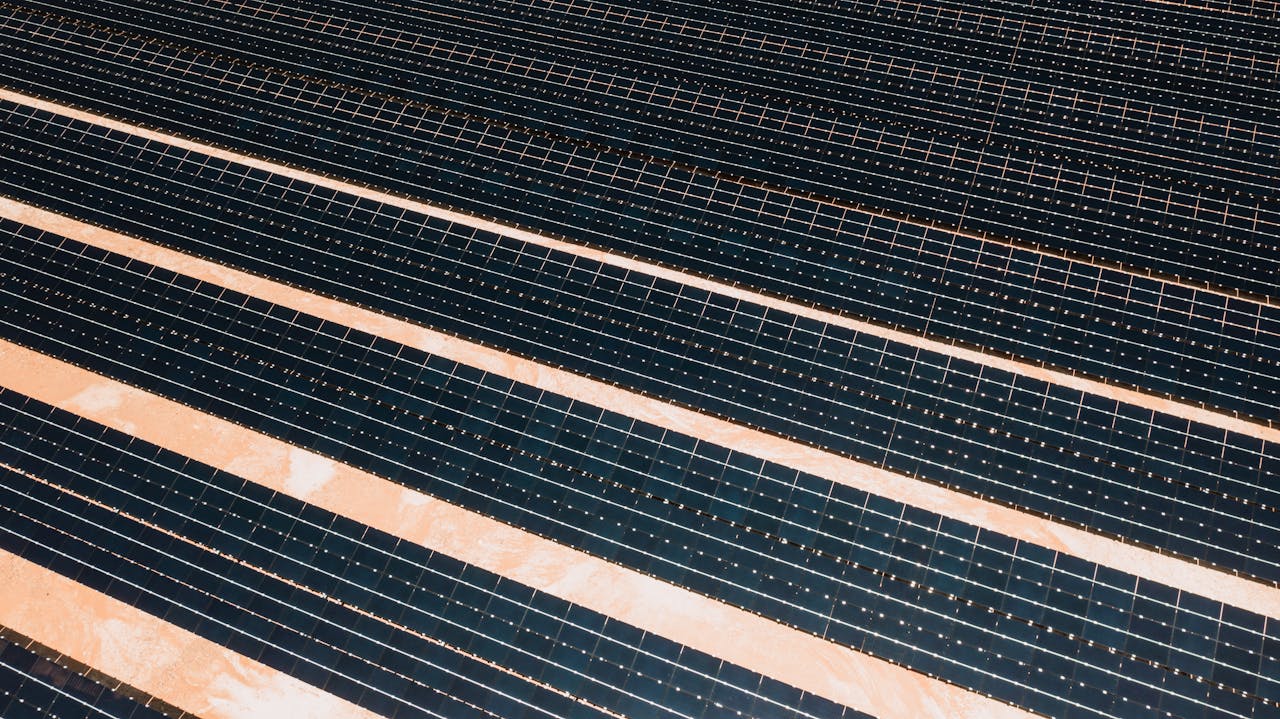
Project Aman is one of the world’s most ambitious green hydrogen initiatives. Located in the Dakhlet Nouadhibou and Inchiri regions, it aims to install 18 GW of wind and 12 GW of solar capacity. In 2026, construction on the primary electrolyzer units has begun. For investors, this project represents the pinnacle of sustainable industrialization, offering a blueprint for how the Sahara can power the European Union’s green transition.
The NOUR Project: Powering the Future
Developed in partnership with global energy giants, the NOUR project focuses on the production of green hydrogen for export to European markets via specialized pipelines and maritime shipping. This project leverages the high-capacity factors of Mauritania’s wind resources, which are among the most consistent in the world. The World Bank Group has identified the NOUR project as a critical driver for Mauritanian job creation and technical skill development.
Hybrid Renewable-Mining Solutions
Mauritania’s historic mining sector, led by iron ore, is also undergoing a green transformation. Major mining sites are now integrating dedicated wind and solar farms to power their operations, reducing their carbon footprint and operational costs. This “Mining-Energy Synergy” is a high-growth niche that is attracting private equity firms looking for integrated ESG-compliant assets.
High-Growth Investment Niches in the 2026 Energy Landscape
Beyond primary power generation, the rise in Mauritania’s Energy Investments is creating secondary markets with high ROI potential.
Desalination and Water Infrastructure
Green hydrogen production requires vast amounts of purified water. Consequently, Mauritania is seeing a surge in investment for large-scale desalination plants along the Atlantic coast. These facilities provide a “Dual-Benefit” supplying the energy sector while providing much-needed potable water for local communities and agriculture.
Specialized Logistics and Port Facilities
The export of green ammonia and LNG requires specialized infrastructure. The expansion of the Nouadhibou and Nouakchott ports to include cryogenic storage and dedicated energy berths is a major investment opportunity. Investors in maritime logistics and specialized tank storage are finding a high-demand market with long-term concession agreements.
Technical Training and Energy Services
As the energy sector expands, the demand for localized technical services from turbine maintenance to digital grid management—is skyrocketing. There is a significant opportunity for “Service Providers” to establish regional hubs in Nouakchott to support the multi-billion dollar projects in the hinterland. The African Development Bank (AfDB) is currently funding several TVET (Technical and Vocational Education and Training) centers to bridge this skill gap.
Navigating the 2026 Investment Climate: Risks and Rewards
While the potential of Mauritania’s Energy sector is immense, entering a frontier market requires a sophisticated risk-management strategy.
- Macroeconomic Stability: Mauritania’s economy is highly sensitive to commodity prices. Solution: Focus on projects with “Take-or-Pay” offtake agreements with creditworthy international buyers to ensure stable cash flows regardless of local currency fluctuations.
- Geographical and Climatic Factors: Working in the Sahara requires specialized engineering for sand and heat resistance. Solution: Partner with Yes! Invest Africa to identify contractors with a proven track record of operating in Saharan environments and utilize the latest in resilient technology.
- Regulatory Compliance: While the Hydrogen Code is in place, navigating local permits still requires ground-level expertise. Solution: We facilitate the necessary high-level introductions to the Ministry of Petroleum, Energy, and Mines to ensure your project receives the “Fast-Track” status it deserves.
The Multilateral Investment Guarantee Agency (MIGA) provides essential political risk insurance for Mauritanian energy projects, covering risks such as breach of contract and expropriation, which provides an additional layer of security for institutional capital.
FAQ – Mauritania’s Energy Investments
Q1: Why is Mauritania becoming a global hub for Green Hydrogen?
Mauritania offers a rare combination of high wind speeds, high solar irradiation, and vast amounts of available, non-arable land near the coast, allowing for the low-cost production and export of green fuels.
Q2: What is the “Bridge Fuel” strategy in Mauritania?
The government is using natural gas from offshore projects like GTA to provide immediate energy security and revenue, which is then used to fund the long-term transition to a 100% renewable grid.
Q3: Can foreign investors own energy assets in Mauritania?
Yes. The new investment code and the specific Hydrogen Code allow for 100% foreign ownership of energy projects, often supported by long-term concessions and “Golden Licenses” for megaprojects.
Q4: How does the “Hydrogen Code” benefit the investor?
It provides a dedicated legal framework that outlines specific tax exemptions, land use rights, and streamlined administrative procedures specifically designed for the unique needs of the green hydrogen industry.
Q5: How can Yes! Invest Africa help me enter the Mauritanian energy market?
We act as your local strategic partner identifying bankable concessions, conducting environmental and legal due diligence, and managing the relationships between international capital and Mauritanian state entities.
Conclusion: Power the Future with Yes! Invest Africa
Mauritania’s Energy Investments Rise of 2026 is a signal to the world that the Sahara is no longer a barrier, but a source of infinite power. Mauritania is carving out a role as the indispensable energy link between Africa and the Atlantic. In 2026, the window to participate in the “Green Sahara” revolution is wide open, but the most strategic land and off-take agreements are being secured by visionary investors today.
At Yes! Invest Africa, we are more than just advisors; we are your strategic partners in Nouakchott. Whether you are looking to invest in a green hydrogen facility, a solar desalination plant, or the logistics that power the offshore gas sector, our team provides the insight, the connections, and the vision to ensure your investment is secure, compliant, and positioned for global impact.
Contact Yes! Invest Africa today to access our 2026 Mauritania Energy Investment Prospectus.