 Article Writer
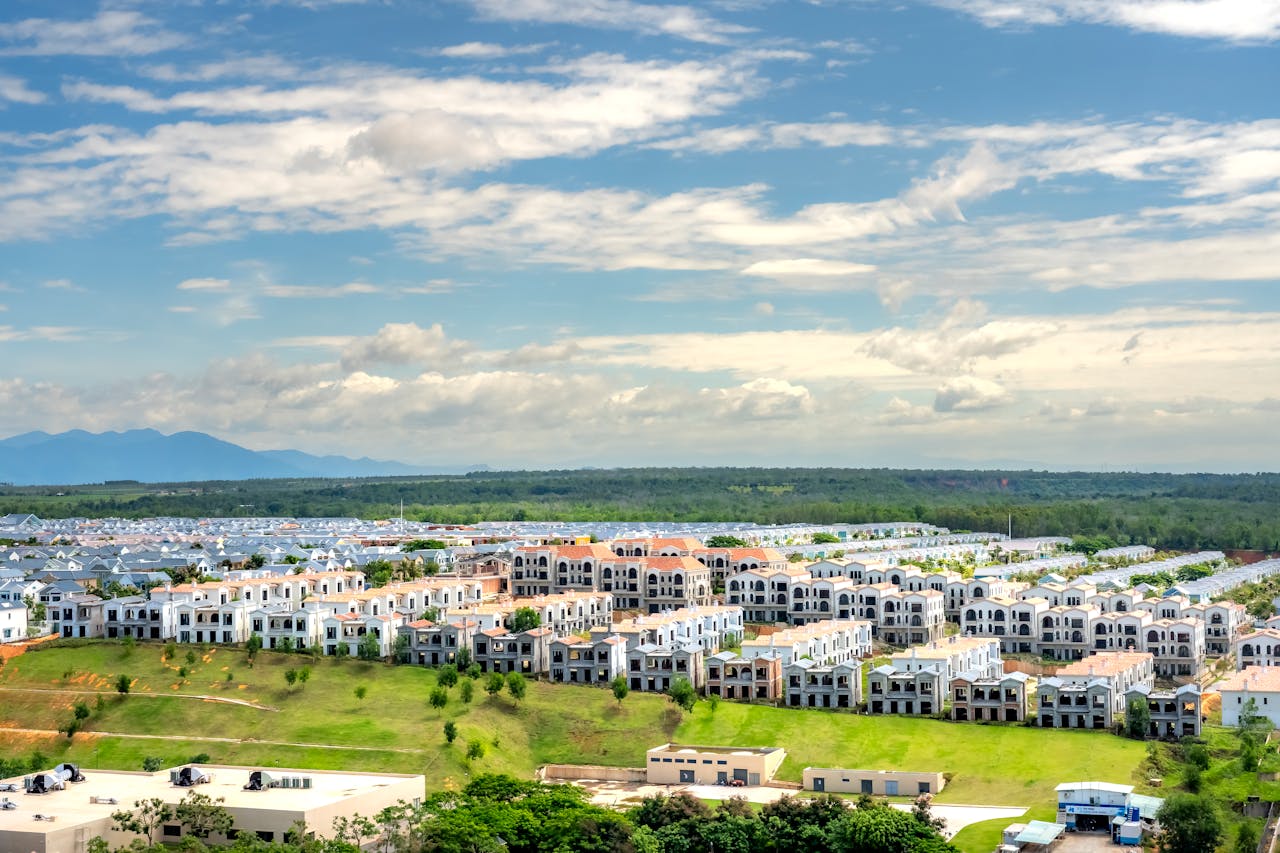
The skyline of West Africa is changing at a pace never seen before. From the sprawling “Smart Cities” in Nigeria to the luxury coastal developments in Ghana and Ivory Coast, the region is no longer just a frontier for mining and oil. In 2026, West Africa’s Real Estate sector matured into a sophisticated asset class, attracting diverse capital from pension funds, private equity, and the global diaspora. Understanding the current West Africa’s Real Estate Investment Trends is essential for any investor seeking to capitalize on the continent’s rapid urbanization and the emergence of a high-consumption middle class.
At Yes! Invest Africa, we track the demographic shifts and infrastructure projects that drive property values. As the African Continental Free Trade Area (AfCFTA) streamlines business, the demand for commercial, industrial, and premium residential spaces is reaching record highs.
The Strategic Drivers of West Africa’s Real Estate Growth
The current surge in the property market is not a bubble; it is supported by structural economic shifts across the Economic Community of West African States (ECOWAS).
1. Rapid Urbanization and Demographic Dividends
West Africa is home to some of the fastest-growing cities in the world. Lagos, Accra, and Abidjan are expanding at exponential rates, creating an annual housing deficit in the millions. This massive supply-demand gap is a primary driver of West Africa’s Real Estate appreciation, particularly in the mid-to-high-end residential segments.
2. Infrastructure-Led Appreciation
The development of regional corridors, such as the Abidjan-Lagos Highway, is unlocking land value in previously inaccessible areas. Investors who follow these infrastructure footprints are seeing significant capital gains. According to the African Development Bank (AfDB), integrated infrastructure is the single most important multiplier for real estate profitability in emerging markets.
3. Digitization of Land Registries
One of the most impactful West Africa’s Real Estate Investment Trends in 2026 is the adoption of blockchain-based land titles. Governments in Ghana and Nigeria have digitized their cadastral systems, drastically reducing the time required for due diligence and closing transactions, which has historically been a barrier to foreign entry.
High-Growth Sectors in the 2026 Property Market
To achieve maximum ROI, investors must look beyond traditional apartment blocks and explore specialized real estate niches.
The Rise of “Smart Cities” and Integrated Developments
Eko Atlantic in Nigeria and the various satellite cities around Accra are shifting the focus toward integrated living. These “Smart Cities” combine high-tech offices, luxury housing, and sustainable infrastructure in a single ecosystem. For the investor, these projects offer managed risk and premium rental yields that consistently outperform traditional urban centers.
Industrial Real Estate and Grade-A Warehousing
The AfCFTA has triggered a manufacturing boom. Consequently, there is an acute shortage of Grade-A warehousing and logistics hubs near major ports and trade corridors. According to data from the International Finance Corporation (IFC), industrial real estate in West Africa currently offers some of the highest yields in the emerging market sector.
Flexible Office Spaces and PropTech
The “Remote Work” revolution has reached West Africa, creating a surge in demand for co-working spaces and flexible office leases. PropTech startups are now facilitating these transactions, allowing global firms to establish a presence in West Africa without the overhead of long-term traditional leases.
Spotlight on Leading Markets: Nigeria, Ghana, and Ivory Coast
While the trend is regional, these three countries remain the primary magnets for West Africa’s Real Estate capital.
Nigeria: The Scale Play
Lagos remains the heavyweight. Despite currency fluctuations, the premium real estate market in Ikoyi and Victoria Island remains “dollarized,” providing a natural hedge for international investors. The sheer scale of the housing deficit in Nigeria ensures that well-located residential projects have a 100% absorption rate upon completion.
Ghana: The Diaspora and Tourism Hub
Ghana has successfully leveraged its “Year of Return” initiative to attract diaspora capital into the real estate market. This has created a boom in the “Short-Let” and Airbnb sector in Accra, where yields are significantly higher than traditional long-term rentals. The World Bank Group highlights Ghana’s stable political climate as a key factor for its real estate resilience.
Ivory Coast: The Francophone Gateway
Abidjan is quickly becoming the regional headquarters for multi-national corporations in Francophone Africa. This has led to a massive demand for luxury corporate housing and Grade-A office buildings. The Ivorian government’s investment in bridges and urban transport has made Abidjan one of the most accessible and “investible” cities in the region.
Risk Mitigation in the West African Property Sector
Investing in West Africa’s Real Estate requires a localized roadmap to navigate the complexities of the market.
- Currency Management: Focus on assets that can be pegged to hard currencies (USD/EUR) or projects with high domestic demand that can withstand inflationary pressures.
- Title Verification: Always utilize the legal services of Yes! Invest Africa to conduct independent title searches, even in digitized markets.
- Environmental Sustainability: With global capital shifting toward “Green Building” standards, projects that incorporate solar power and water recycling are more likely to secure favorable financing from Development Finance Institutions (DFIs).
The Global Real Estate Sustainability Benchmark (GRESB) is increasingly being used as a yardstick for African developments, and staying ahead of these standards is a key West Africa’s Real Estate Investment Trend.
FAQ – West Africa’s Real Estate Investment
Q1: Is West Africa’s real estate market safe for foreign individuals?
Yes, especially in “Smart City” developments and through reputable developers. Utilizing a platform like Yes! Invest Africa ensures that your due diligence is thorough and your contracts are enforceable.
Q2: What are the typical rental yields in Lagos and Accra?
Premium residential properties typically yield between 8% and 12%, while industrial and commercial Grade-A spaces can reach up to 15%, significantly higher than the global average.
Q3: How does the AfCFTA impact real estate?
It increases the demand for industrial real estate, logistics hubs, and cross-border commercial offices as businesses expand their footprint across the continent.
Q4: Can I invest in West African real estate through REITs?
Yes. Real Estate Investment Trusts (REITs) are gaining popularity in Nigeria and Ghana, allowing investors to gain exposure to the market with lower capital requirements and higher liquidity.
Q5: How can Yes! Invest Africa help me start my investment journey?
We provide access to vetted developers, legal assistance for land acquisition, and market intelligence reports to help you identify the best entry points in the 2026 market.
Conclusion: Build Your Legacy with Yes! Invest Africa
The window for high-yield entry into West Africa’s Real Estate market is wide open, but it requires a partner who understands the ground reality. West Africa’s Real Estate Investment Trends in 2026 point toward a future of integrated, sustainable, and high-tech urban centers. At Yes! Invest Africa, we are committed to helping you navigate this landscape. Whether you are funding a logistics hub or purchasing a luxury villa in Accra, our team is your trusted partner for secure and profitable property investment.
Contact Yes! Invest Africa today to receive your 2026