 Article Writer
Logistics Hubs Africa: Driving Global Trade Facilitation in 2026
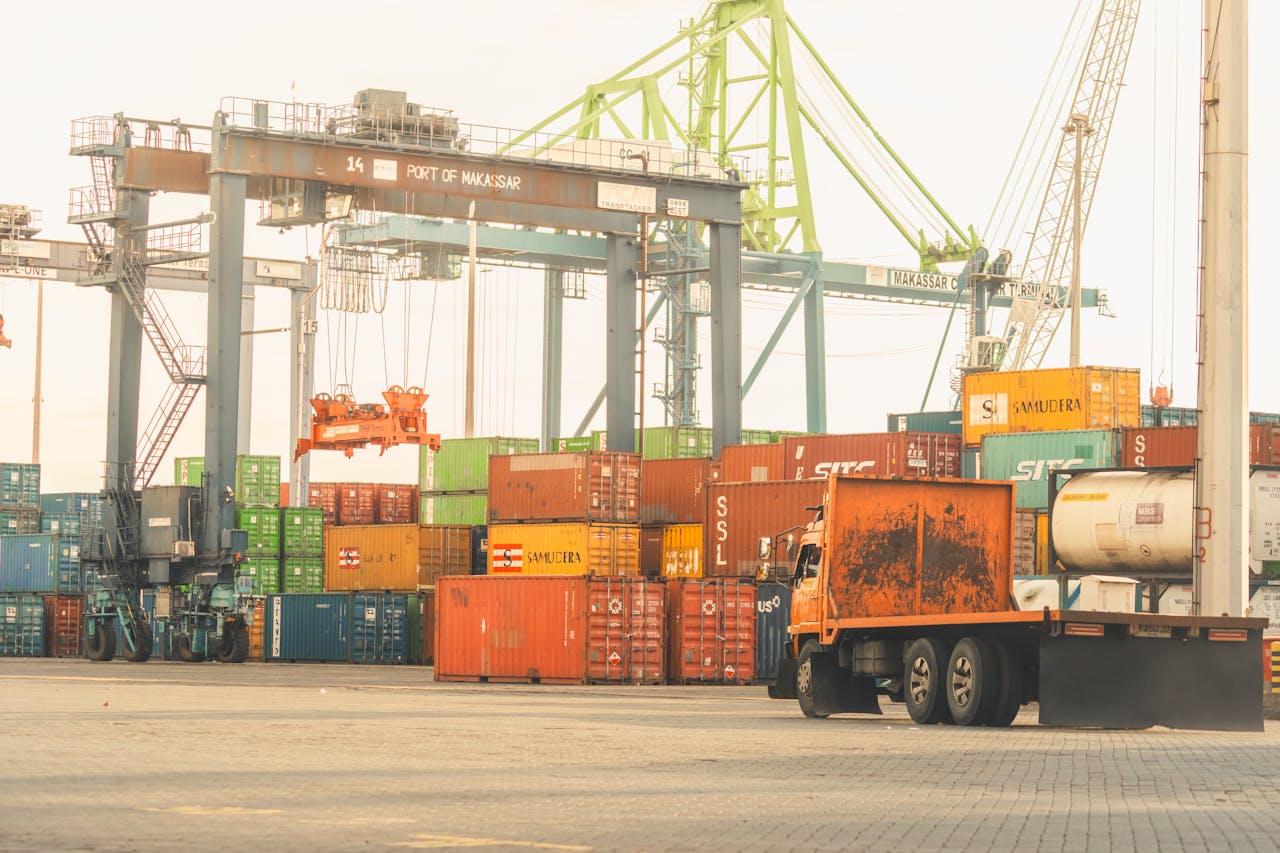
The global commerce landscape of 2026 is experiencing a profound tectonic shift. As legacy supply chains struggle with increasing fragmentation, maritime routing risks, and shifting industrial centers, the international focus has firmly centered on the African continent. Logistics Hubs Africa have officially entered a mature expansion phase, evolving from disconnected municipal terminals into world-class, integrated economic networks. Driven by massive capital inflows, aggressive digital transformations, and regional cooperation, Africa is positioning itself as the ultimate engine for global Trade Facilitation.
At Yes! Invest Africa, we track these multi-billion-dollar industrial milestones with rigorous precision. We recognize that logistics infrastructure is the primary connector that unlocks the profitability of Agro-Processing Plants Africa and provides the essential physical backbone for Cash Crop Exports Africa. For the institutional asset manager, the 2026 African logistics boom represents a rare, inflation-hedged avenue to capture sustained capital growth.
The Strategic Imperative: Why Logistics Hubs Drive African Growth
The current momentum behind Logistics Hubs Africa wide is not accidental; it is driven by hard economic fundamentals, rapid urban migration, and a unified political will.
1. Bypassing Legacy Cross-Border Friction
Historically, intra-continental commerce was heavily throttled by fragmented customs procedures and inefficient transport networks. In 2026, the focus has entirely shifted to closing this operational gap through integrated corridors. According to comprehensive trade data from the World Trade Organization (WTO), optimizing trade facilitation mechanics across emerging markets could slash global transaction costs by up to 14.3%, driving an unprecedented rise in export liquidity.
2. Capitalizing on the AfCFTA Integration
The primary legislative driver for modern logistics assets is the ongoing operational rollout of the African Continental Free Trade Area (AfCFTA). By establishing a single market of 1.3 billion consumers and removing internal tariffs on 90% of goods, the AfCFTA has made large-scale transshipment facilities highly lucrative. Strategic regional centers can now aggregate raw materials from multiple countries, process them in specialized industrial zones, and export the refined finished outputs globally with minimal administrative friction.
3. Urbanization and Intelligent Micro-Fulfillment
As millions of citizens migrate to primary metropolitan zones, the demand for modern urban distribution infrastructure has reached a fever pitch. Logistics developers are constructing advanced micro-fulfillment networks directly adjacent to major city centers. These smart hubs are designed to connect seamlessly with the rapid-growth consumer systems detailed in our E-Commerce Platforms Africa: Market Entry Guide analyses, completely transforming the efficiency of consumer retail.
Mapping the Gateways: Strategic Trade Facilitation Hubs in Focus
The 2026 industrial layout features specific coastal and dry-port logisitcs corridors that have successfully redrawn the map of global cargo distribution.
The Port of Tangier Med (Morocco) – The Mediterranean Powerhouse
Tangier Med has solidified its position as an absolute titan in global shipping, functioning as the premier maritime gateway connecting Africa, Europe, and the Americas. The hub features fully automated terminal handling systems, advanced AI-driven customs clearance rails, and immense multimodal connections to high-speed rail lines. This world-class infrastructure has converted the surrounding free zones into premium industrial real estate, drawing top-tier international automotive and aerospace manufacturing giants.
The Durban Logistics Corridor (South Africa) – Southern Africa’s Key Anchor
As the busiest shipping gateway in sub-Saharan Africa, Durban is undergoing a massive multi-billion-dollar expansion program. The focus in 2026 centers on integrating the maritime port directly with deep interior “dry ports” via high-capacity rail networks. This optimization reduces dwell times for container cargo and safeguards the long-term reliability of heavy resource supply chains, supporting the critical industrial movements highlighted in our Platinum Expansion in Southern Africa updates.
The Silicon Savannah Logistics Axis (Kenya) – East Africa’s Connected Gateway
Nairobi and the Port of Mombasa form the ultimate multimodal engine for the East African region. The expansion of standard gauge railway networks has drastically shortened transit times from coastal terminals to landlocked economic centers in Uganda and Rwanda. This high-speed shipping axis serves as a vital component to safeguard agricultural asset lines, working in total harmony with the regional programs explored in our comprehensive analysis of Food Security Initiatives in East Africa.
Technological Convergence: The Intelligent Supply Chain of 2026
The commercial sustainability of modern Logistics Hubs Africa models relies on an intelligent digital and clean-energy layer implemented right across the transport grid.
- AI-Driven Fleet Routing and Customs Tracking: Operators are utilizing advanced machine learning algorithms to map fleet paths and predict exact arrival timelines. As analyzed in our AI Startups Africa: Funding Trends reviews, this tech stack optimizes supply chain visibility, eliminating costly port demurrage charges for global shipping syndicates.
- Solar-Plus-Storage Independent Micro-Grids: To fully insulate modern fulfillment hubs and cold-storage cells from the instability of municipal utilities, developers are integrating decentralized clean energy. This green infrastructure transition, heavily detailed in our reports on Solar Energy: Africa’s Power Revolution, guarantees 24/7 technical uptime.
- Fintech and Tokenized Customs Clearance: Freight transactions within these major hubs are powered by automated, secure digital gateways. These merchant rails connect directly with the cross-border verification architectures updated in our Fintech Regulations Africa: 2026 Updates profiles, reducing cargo processing times from days to mere minutes.
Navigating the 2026 Logistics Investment Landscape
For institutional asset managers looking to allocate growth capital into Africa’s trade infrastructure, long-term profitability requires an operational strategy centered on structural durability.
- Prioritize Multimodal Asset Portfolios: Avoid single-purpose trucking or standalone warehousing. The strongest, most resilient returns are captured by logistics parks that seamlessly integrate ocean port access, specialized rail links, and modern dry-port storage terminals. This diversification insulates the asset from local fuel price shocks.
- Focus on Cold-Chain Logistics Infrastructure: Upstream agricultural and pharmaceutical growth is entirely dependent on down-stream cold storage execution. Directing capital toward private, solar-powered refrigeration hubs offers a highly stable, asset-backed yield that commands premium leasing rates from international off-takers.
- Leverage Public-Private Partnerships (PPPs): African governments are aggressively utilizing PPP frameworks to upgrade national transport corridors. These structures frequently come with comprehensive multilateral risk guarantees from global development banks, significantly improving the bankability of the asset class.
Frequently Asked Questions (FAQ)
- What defines a successful Logistics Hubs Africa project in 2026?
A successful project integrates multimodal transport access (sea, rail, and road) with advanced digital trade facilitation tools such as AI tracking and automated customs compliance rails—to maximize cargo throughput and eliminate transit delays.
- How does the AfCFTA impact the profitability of logistics hubs?
The AfCFTA unifies the continent’s fragmented regulatory landscape, removing internal tariff barriers and standardizing customs protocols across 54 nations. This allows logistics hubs to function at a massive, pan-African scale with minimal cross-border friction.
- Why is cold-chain infrastructure experiencing high investment growth?
Cold-chain storage is critical to eliminate post-harvest losses for agricultural exports and preserve pharmaceutical supplies. Because modern facilities deploy independent solar micro-grids, they offer highly stable, uninterrupted operational efficiencies.
- Are modern African logistics hubs compliant with international ESG standards?
Yes. The infrastructure built in 2026 incorporates utility-scale solar-plus-storage energy arrays, energy-efficient automated machinery, and strict carbon-mitigation designs to comply with international green supply chain procurement mandates.
- How can Yes! Invest Africa help my firm access these logistics opportunities?
We provide specialized market intelligence, execute rigorous operational, financial, and legal due diligence on transport concessions, and directly connect global institutional funds with bankable logistics developers and operators.
Drive the Commercial Frontier with Yes! Invest Africa
The expansion of Logistics Hubs Africa represents the definitive physical transformation of the continent’s industrial landscape. As the continent constructs the intelligent transport links, automated fulfillment centers, and sustainable storage assets required to connect regional production with global consumer markets, the window to capture prime developer equity and infrastructure bonds is exceptionally active. These asset-backed, data-rich trade structures will dictate the flow of continental wealth for the next half-century.
At Yes! Invest Africa, we perfectly combine extensive local regulatory expertise with an elite network of port authorities, transport executives, and financial managers to ensure your firm’s growth capital is deployed securely, legally, and with optimal yield consistency. Whether your corporate portfolio requires direct positioning in high-tech maritime facilities, equity in automated dry-port networks, or strategic allocation in cold-chain logistics syndicates, our master copywriters and industrial analysts are positioned to guide you to clear market leadership.