 admin
adminLogistics Hubs in Africa : Accelerating Trade Facilitation and Industrial Growth
In the rapidly evolving economic climate of 2026, the African continent is undergoing a monumental shift in its industrial capacity. Central to this transformation is the strategic development of world-class logistics hubs in Africa, which are serving as the backbone for regional and international trade facilitation. As the implementation of the African Continental Free Trade Area (AfCFTA) continues to gain momentum, the requirement for efficient, interconnected supply chain nodes has never been more critical for global investors and corporate partners.
At Yes! Invest Africa, we recognize that logistics are the lifeblood of industrial scaling. By optimizing the movement of raw materials and finished goods, these hubs do more than just facilitate trade they provide the essential framework for sustainable economic growth and high-yield investment returns.
The Strategic Importance of Logistics Hubs for Trade Facilitation
The development of modern logistics centers is a primary driver in lowering the cost of doing business across the continent. These hubs provide a centralized platform for storage, transshipment, and value-added processing, which drastically reduces transit times and inventory costs.
1. Reducing Trade Barriers through Infrastructure
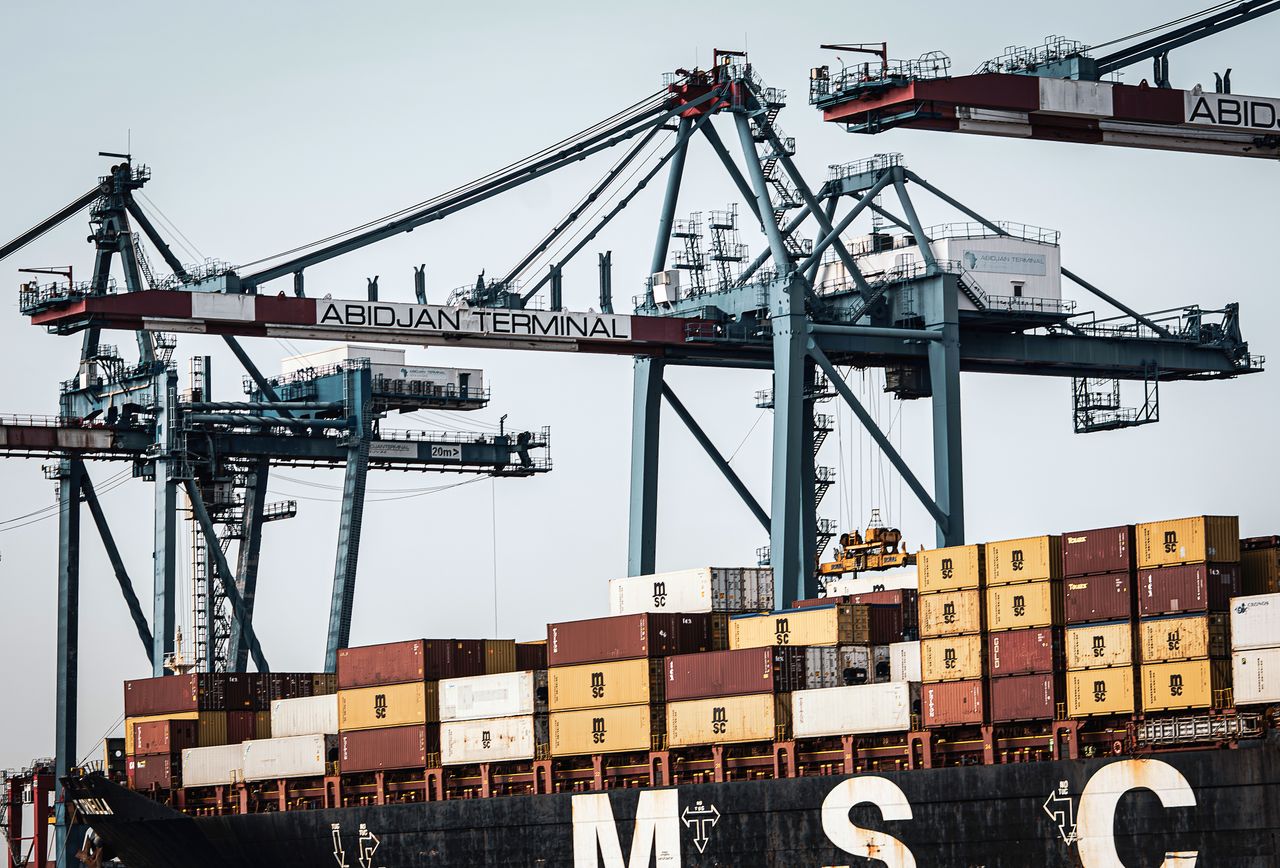
Efficient logistics nodes are the antidote to historical bottlenecks that once hindered regional commerce. By investing in multimodal hubs which integrate deep-water ports, automated railway spurs, and efficient trucking terminals nations are directly facilitating the movement of goods required to feed global supply chains.
2. Attracting High-Value Foreign Direct Investment (FDI)
Global corporations seek certainty and speed when deploying capital. Logistics hubs in Africa act as beacons for FDI, providing the necessary operational foundation for manufacturing, cold-chain distribution, and regional warehousing. These facilities ensure that businesses can operate with the same logistical reliability found in established global economies.
Key Logistics Hubs Shaping the Future of Trade
Several strategic regions are currently setting the pace for trade facilitation through the aggressive development of their logistics sectors.
East Africa: The Gateway to the Interior
East Africa is rapidly emerging as a maritime and transit titan.
- Port of Mombasa & Lamu (Kenya): These ports serve as vital gateways, connecting the interior of the continent to the global Indian Ocean trade routes.
- Tanzania’s Port Expansion: Massive investments in Dar es Salaam and Bagamoyo are transforming the country into a critical transit node for landlocked neighboring states, facilitating faster trade movement.
Southern Africa: Industrial Integration
Southern Africa continues to leverage its mature mining and agricultural sectors to drive logistics development.
- South Africa’s Multimodal Hubs: With a highly developed rail and port network, South Africa remains a central pillar for regional trade facilitation.
- Namibia’s Walvis Bay: Positioned as an ideal transshipment hub, it provides efficient access for trade entering from both the Atlantic and the interior.
West Africa: Bridging Global Supply Chains
West Africa is rapidly expanding its port capacity to handle increasing trade volumes.
- Nigeria and Ghana: Ongoing investments in deep-sea port infrastructure are dramatically enhancing the ability of these nations to process high-volume shipping traffic, serving as essential logistics hubs for the West African sub-region.
Maximizing Investment Returns with Yes! Invest Africa
Navigating the logistics sector requires more than a simple understanding of regional geography; it requires deep expertise in land concessions, operational compliance, and enforceable contractual frameworks.
Yes! Invest Africa functions as your operational bridge to the continent’s most promising logistics and trade projects. We provide investors with:
- Direct Negotiation Pipelines: Bypass unnecessary intermediaries and negotiate directly with verified project developers, procurement managers, and key government stakeholders.
- Clause-by-Clause Enforceable Contracts: We ensure that all legal agreements regarding land use, development concessions, and public-private partnerships are fully enforceable across international borders.
- Comparative Market Analysis: Gain the data-driven insights necessary to understand how specific logistics assets compare against global trade performance benchmarks.
Frequently Asked Questions (FAQ)
What is the role of logistics hubs in trade facilitation?
Logistics hubs act as consolidated nodes that streamline storage, transshipment, and distribution, which drastically reduces the cost and time required for regional and international trade.
Why is logistics investment a priority in 2026?
With the ongoing implementation of the AfCFTA, there is an urgent demand for infrastructure that can handle the increased volume of intra-African trade.
How do investors mitigate risks in African logistics projects?
Working with a trusted partner like Yes! Invest Africa provides access to enforceable contracts, thorough due diligence, and verified procurement networks that de-risk the investment lifecycle.
Which sectors benefit the most from improved logistics in Africa?
Automated agribusiness, manufacturing, mining, and retail distribution are the primary sectors that benefit from faster, more reliable supply chain infrastructure.
How can I start investing in African logistics hubs?
The first step is identifying the right corridor or asset that aligns with your portfolio goals. Contact our team to review currently verified logistics and infrastructure projects.
Partner with Yes! Invest Africa today and unlock endless opportunities across Africa’s booming trade and logistics sectors.