 admin
adminAfrica’s Cobalt Powerhouse: DRC Moves to Triple Lithium Mining Royalties in Strategic Value-Addition Shift
The global battery metals market of 2026 is adjusting to a major regulatory shift from the heart of the African continent. The Democratic Republic of Congo (DRC), long recognized as the world’s undisputed cobalt powerhouse, has formally moved to triple its mining royalties on lithium. This decisive legislative adjustment changes the financial landscape for international mining syndicates and electronic vehicle (EV) component manufacturers, signaling a strategic transition away from simple resource extraction toward full, localized value-addition.
At Yes! Invest Africa, we track these high-stakes regulatory milestones with deep analytical precision. We recognize that the DRC’s aggressive royalty restructuring is not a barrier to foreign direct investment (FDI); rather, it marks the beginning of a mature industrial era. For global institutional asset managers, private equity funds, and battery commodity buyers, this bold policy realignment highlights the immense strategic value of securing compliant, transparent, and localized midstream refinery partnerships.
Inside the Legislation: Why the DRC is Tripling Lithium Royalties
The regulatory shift executed by the Kinshasa government reflects a broader, pan-African push to capture the true economic value of the global green energy transition.
1. Capitalizing on the EV and Battery Super-Cycle
Lithium, alongside cobalt, serves as the critical, irreplaceable foundation for manufacturing high-capacity lithium-ion batteries that power modern electric mobility and decentralized clean energy grids. By tripling its baseline mining royalties, the DRC is leveraging its unique geological dominance to maximize sovereign resource revenues during a period of unprecedented global demand. According to industrial commerce updates from the World Trade Organization (WTO), resource-rich nations are increasingly restructuring their mining codes to protect national fiscal health from external market volatility.
2. Enforcing the Localized Value-Addition Mandate
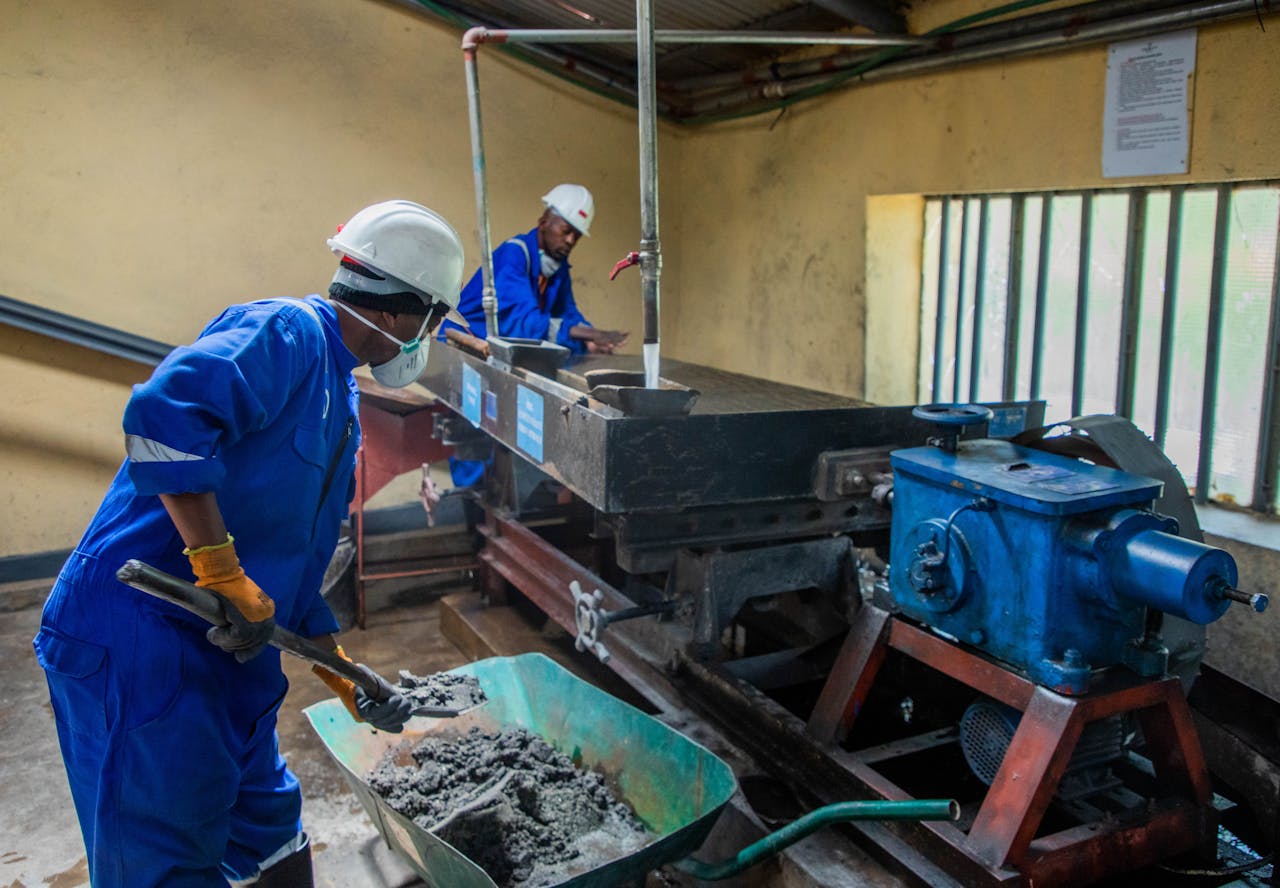
The core driver behind this policy adjustment is an explicit legal mandate to penalize the direct exportation of raw, unrefined ores. The tripling of royalties operates as a powerful economic lever, forcing international mining corporations to build domestic processing plants, chemical refineries, and component manufacturing facilities right within the country. Refining lithium carbonate or hydroxide locally ensures that the DRC captures the highest-margin segments of the global technology supply chain, an industrial path heavily analyzed in our profiles on Agro-Processing Plants Africa: ROI Analysis.
3. Strengthening Sovereign Resource Governance
The DRC’s updated mineral framework is designed to bring absolute transparency to its mining zones. By centralizing royalty collection and enforcing strict compliance rails, the government aims to eliminate unofficial trading networks and ensure that incoming capital directly supports regional development. This regulatory modernization creates a more stable, legally predictable environment for large-scale institutional funds that require strict alignment with international ESG parameters.
The Strategic Ripple Effect: Re-Aligning Continental Supply Chains
The DRC’s legislative move is triggering a significant re-alignment of transport, energy, and infrastructure investments across the entire Sub-Saharan region.
1. Driving Multimodal Transit and Logistics Integration
Moving refined battery-grade chemical components safely from interior processing plants to international maritime shipping ports requires flawless infrastructure execution. This logistical push is accelerating multi-billion-dollar investments into cross-border rail links, deep-water port concessions, and automated dry ports, flowing in perfect synergy with the transit corridors highlighted in our Logistics Hubs Africa: Trade Facilitation overviews.
2. Powering Refineries with Decentralized Clean Utilities
Operating high-capacity chemical refineries and metal smelters requires a stable, uninterrupted supply of industrial electricity. To achieve this without straining public networks, modern mining developers are building independent, utility-scale clean utilities directly within their concessions. Integrating standalone solar photovoltaic fields and high-capacity wind arrays guarantees 24/7 technical uptime, matching the clean power assets detailed in our core reports on Solar Energy: Africa’s Power Revolution.
3. Fostering Regional Industrial Alliances
The DRC’s value-addition model is encouraging unprecedented cross-border industrial partnerships, most notably with neighboring Zambia. Together, these Central African nations are developing unified Special Economic Zones (SEZs) dedicated to constructing the continent’s first domestic EV battery precursor manufacturing lines, creating a powerful, interconnected industrial hub.
Navigating the 2026 Critical Minerals Investment Landscape
For institutional asset managers looking to deploy growth capital safely into Africa’s mining sector, long-term profitability requires a sophisticated approach to risk management.
- Execute Tightly Structured Joint Ventures: Avoid standalone extraction projects. Prioritize asset allocations within integrated mining consortia that feature strong, legally binding partnerships with verified local operators and state development entities.
- Anchor Concessions in International Law: Protect your growth portfolios from potential regulatory changes by drafting comprehensive, clause-by-clause contracts that are anchored securely within recognized international arbitration frameworks, matching the legal baselines detailed in our Fintech Regulations Africa: 2026 Updates profiles.
- Target Co-Located Infrastructure Assets: Direct capital toward midstream logistics, automated processing parks, and independent power utilities. These asset-heavy developments offer steady, toll-like revenue lines that are highly insulated from raw commodity price swings.
Frequently Asked Questions (FAQ)
- Why has the DRC moved to triple its lithium mining royalties?
The DRC implemented this legislative change to maximize sovereign fiscal revenues from the global battery boom and to economically force international mining groups to invest in localized refining rather than exporting raw, unrefined ore.
- How does this policy shift impact global electric vehicle (EV) manufacturers?
It requires EV supply chains to recalibrate their procurement models, shifting their focus toward sourcing pre-refined, battery-grade chemical components directly from processing facilities built within the African continent.
- What are the key benefits of localized mineral value-addition?
Localized refining creates high-paying technical jobs for local populations, builds critical regional public infrastructure, accelerates technology transfers, and significantly expands corporate profit margins by capturing higher-value segments.
- How can international investors effectively protect their mining capital from regulatory changes?
Investors can insulate their capital by executing comprehensive bilingual contracts, utilizing development finance de-risking tools, and anchoring all commercial concessions within recognized international arbitration boards.
- How can Yes! Invest Africa help my firm navigate this regulatory landscape?
We provide proprietary, ground-level market intelligence, execute rigorous technical, financial, and legal due diligence on concessions, and directly connect global institutional funds with fully vetted, bankable resource and processing developments.
Lead the Industrial Frontier with Yes! Invest Africa
The transformation of Central Africa’s mineral economy proves that the continent is successfully rewriting the rules of global commodity trade. As the DRC deploys progressive mining codes to build a fully integrated, low-emission battery metal manufacturing hub, the window to secure prime processing concessions, clean energy infrastructure bonds, and advanced logistics contracts is exceptionally active. These data-verified, asset-backed trade networks will dictate the flow of global technology wealth for the next half-century.
At Yes! Invest Africa, we perfectly combine deep regional regulatory experience with an elite network of resource engineers, financial analysts, and legal authorities to ensure your firm’s growth capital is deployed securely, legally, and with optimal yield consistency. Whether your corporate portfolio requires direct positioning in automated lithium refining, equity in regional clean utility grids, or strategic allocation in industrial real estate, our sector analysts are ready to guide you to clear market leadership.
Contact Yes! Invest Africa today to secure exclusive access to our comprehensive 2026