 Article Writer
Eco-Tourism Africa: Sustainable Travel Opportunities in the 2026 Green Revolution
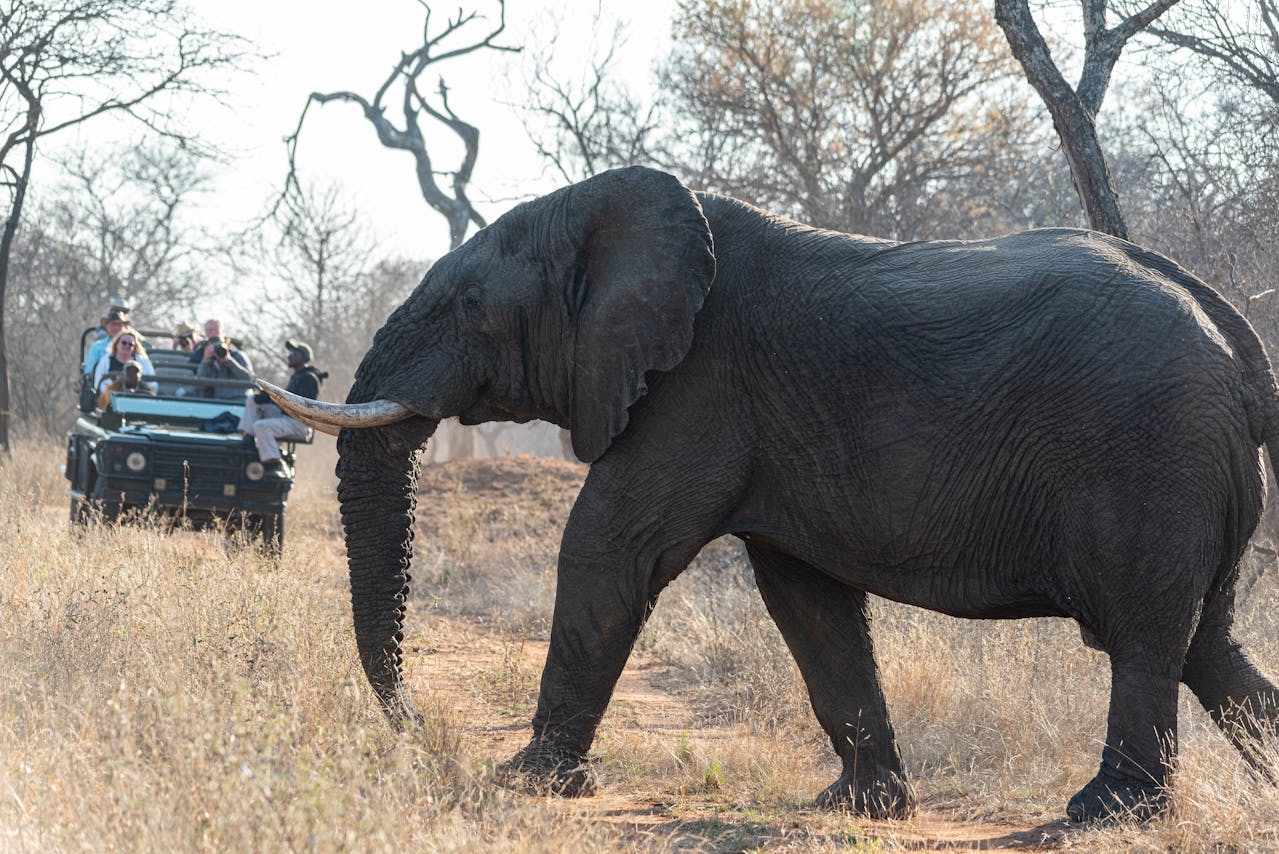
The global travel industry in 2026 has undergone a fundamental shift. Travelers are no longer merely seeking “destinations”; they are seeking “impact.” As conscious consumerism reaches an all-time high, Eco-Tourism Africa has emerged as the premier frontier for Sustainable Travel Opportunities. This sector is no longer a niche market for the adventurous few it is a sophisticated, high-growth investment class that balances luxury hospitality with biodiversity conservation and community empowerment.
At Yes! Invest Africa, we have watched the continent’s tourism narrative evolve from simple sightseeing to high-value conservation tourism. By aligning international capital with Africa’s unmatched natural heritage, we are seeing the birth of a tourism model that protects the very assets it showcases. For the strategic investor, the 2026 eco-tourism market offers an entry into a resilient sector that thrives on exclusivity, sustainability, and long-term value.
The Strategic Shift: Why Eco-Tourism Africa is the Future
The momentum behind Eco-Tourism Africa is driven by a global mandate to protect biodiversity while fostering economic resilience in rural areas. In 2026, the “Green Shift” in travel is defined by three core pillars.
1. The Rise of the “Conscious Voyager”
Modern travelers, particularly from the Gen Z and Millennial demographics, are prioritizing carbon-neutral footprints and ethical engagement. This has led to a surge in demand for lodges and experiences that are fully integrated with Renewable Energy Africa solutions. According to the Global Sustainable Tourism Council (GSTC), travelers are now 75% more likely to choose a destination with verified sustainability credentials, positioning Africa’s pristine wilderness areas as highly competitive assets.
2. Conservation as a Commercial Asset
In 2026, wildlife is recognized as a living asset. Governments across the continent are moving away from extractive industries in favor of “Photographic Safaris” and conservation-linked hospitality. This shift turns local communities into the primary guardians of wildlife, creating a stable social environment that is attractive to long-term institutional investors.
3. Decarbonizing the Safari Experience
The “Last-Mile” of African tourism getting from a bush landing strip to a remote lodge is being revolutionized by electric mobility. From e-safari vehicles to electric light aircraft, the Transport and Logistics Africa connectivity boost is ensuring that the eco-tourism experience remains silent, emission-free, and in harmony with nature.
High-Value Sustainable Travel Opportunities in 2026
To capture the highest ROI in the property and hospitality sectors, investors are focusing on regions that combine high biodiversity with stable governance and innovative conservation models.
1. The KAZA Transfrontier Conservation Area (Southern Africa)
The Kavango-Zambezi (KAZA) Transfrontier Conservation Area, spanning five countries including Namibia and Botswana, is the world’s largest terrestrial conservation area. In 2026, it represents the gold standard for Eco-Tourism Africa. Investment in low-impact, high-yield luxury camps here allows for a massive “scale of nature” that cannot be replicated elsewhere, offering travelers a truly borderless wilderness experience.
2. Rwanda’s Volcanoes National Park: The Premium Model
Rwanda has perfected the high-end eco-tourism model. By limiting the number of gorilla trekking permits and maintaining premium pricing, the country ensures that tourism revenues directly fund the expansion of national parks and community schools. This model has created a “vicious cycle of prosperity” where the protection of a single species (the mountain gorilla) drives an entire regional economy.
3. Coastal Eco-Resorts: Mozambique and the Blue Economy
The coastlines of Mozambique and Madagascar are the new frontiers for “Blue Eco-Tourism.” By investing in marine-protected areas where luxury resorts fund coral reef restoration and sustainable fisheries management, investors are tapping into the growing demand for marine conservation travel. These projects often utilize modular, “tread-lightly” architecture discussed in our Real Estate Africa reports.
Technological Innovation in Eco-Hospitality
The 2026 eco-tourism boom is powered by a new generation of technical solutions that ensure environmental compliance without sacrificing guest comfort.
- Solar-Plus-Storage Power Plants: Remote lodges are now fully independent of the grid, utilizing advanced Battery Energy Storage Systems (BESS) to provide 24/7 silent power.
- Atmospheric Water Generators: In arid regions like the Namib Desert, lodges are using technology to “harvest” water from the air, eliminating the need for plastic bottles and reducing the strain on local groundwater.
- Blockchain for Community Benefit: To ensure that tourism dollars actually reach local villages, some African eco-ventures are using blockchain-based transparent payment systems. This ensures that a percentage of every booking is instantly and verifiably distributed to community health and education funds.
The Investment Case: ROI Meets Impact
For the strategic investor, Eco-Tourism Africa offers a unique risk-reward profile that aligns with the global shift toward ESG-compliant portfolios.
- Resilient Asset Class: High-end eco-tourism has proven to be incredibly resilient to global economic fluctuations. Ultra-High-Net-Worth individuals (UHNWIs) continue to seek exclusive, private, and nature-based experiences regardless of broader market trends.
- Land Value Appreciation: Conservation-linked real estate often sees significant capital appreciation as the surrounding ecosystems are restored and protected, making the land more desirable for future premium developments.
- Positive Brand Equity: Investing in African conservation provides global firms with tangible, “story-led” ESG impact that can be showcased to shareholders and customers alike.
Frequently Asked Questions (FAQ)
- What exactly defines Eco-Tourism in Africa in 2026?
It is tourism that is designed to have a minimal impact on the environment, provides direct financial benefits for conservation, and actively empowers local communities through employment and social projects.
- Is Eco-Tourism more profitable than traditional tourism?
While initial capital expenditures for sustainable technology can be higher, eco-tourism attracts a premium “high-yield” traveler, allowing for higher nightly rates and stronger long-term margins compared to mass-market tourism.
- Which regions offer the best sustainable travel opportunities right now?
Rwanda, Namibia, Botswana, and Kenya are the current leaders, but emerging markets like Mozambique (marine) and Gabon (rainforest) are offering significant first-mover advantages in 2026.
- How does Eco-Tourism support Food Security in Africa?
Many lodges run their own organic farms or partner with local smallholders to source food. This creates a guaranteed market for Cash Crops Africa, providing farmers with stable incomes and reducing rural poverty.
- How can Yes! Invest Africa help me enter this market?
We identify bankable eco-tourism concessions, conduct rigorous environmental and social due diligence, and connect you with world-class sustainable architects and local community leaders.
Secure Your Legacy with Yes! Invest Africa
The Eco-Tourism Africa narrative is the defining hospitality story of our time. This is more than just a travel trend; it is the physical protection of the world’s most precious biodiversity through strategic investment. For the investor with vision, the opportunity to secure a position in this “Green Renaissance” is active now.
At Yes! Invest Africa, we have the vision and the connections to ensure your investment is both secure and high-impact. Whether you are interested in luxury safari lodges, marine-protected resorts, or the technology that powers them, our team is ready to guide you to success.