 Article Writer
The global energy landscape is undergoing a profound transformation, and at the heart of this shift is the Republic of Angola. For decades, Angola has been synonymous with vast offshore oil wealth, but in 2026, the narrative has evolved far beyond simple extraction. Angola’s Energy sector is currently experiencing a historic revitalization, driven by a series of aggressive and transparent institutional overhauls. These Angola’s Energy Sector Reforms are designed to dismantle monopolies, incentivize deepwater exploration, and pivot toward a diversified energy mix that includes natural gas and renewables.
At Yes! Invest Africa, we have identified Angola as one of the most bankable energy frontiers on the continent. The transition from a state-heavy model to an investor-friendly ecosystem has unlocked billions in stalled capital. For global institutional investors, the “New Angola” offers a unique combination of proven geological reserves and a modernized legal framework that protects capital and promotes long-term sustainability.
The Strategic Architecture of Angola’s Energy Reforms
The success of the 2026 energy landscape in Luanda is built upon a foundation of structural transparency and fiscal attractiveness.
1. The Creation of the ANPG
One of the most critical Angola’s Energy Sector Reforms was the establishment of the National Oil, Gas and Biofuels Agency (ANPG) as the national concessionaire. By stripping the state-owned Sonangol of its regulatory role, Angola eliminated a major conflict of interest. This separation has allowed Sonangol to focus on operational excellence while the ANPG provides a transparent, streamlined bidding process for international oil companies (IOCs).
2. Fiscal Incentives for Marginal Fields
Recognizing that mature basins require specialized investment, the Angolan government introduced a revised fiscal regime for marginal fields. By lowering royalty rates and providing tax breaks for smaller-scale developments, Angola has successfully attracted independent operators who can maximize the life of brownfield assets. According to the International Energy Agency (IEA), these incentives have been instrumental in arresting production decline and stabilizing national output.
3. The Gas Master Plan (GMP)
For the first time in its history, Angola is treating natural gas as a standalone strategic asset rather than a byproduct of oil. The New Gas Consortium (NGC) and the expansion of the Angola LNG plant in Soyo are cornerstones of a strategy to power domestic industry and export clean energy to the world. Natural gas is now the primary “bridge fuel” for Angola’s transition into a modernized industrial economy.
Spotlight on Angola’s Energy in 2026: Exploration and Renewables
The current investment climate is characterized by a “Dual-Track” approach: optimizing hydrocarbons while building a renewable future.
Deepwater and Ultra-Deepwater Dominance
Angola’s Kwanza and Lower Congo basins remain global hotspots for deepwater technology. In 2026, the deployment of Floating Production Storage and Offloading (FPSO) units with zero-flaring technology has become the industry standard. Major players like TotalEnergies, Eni, and Chevron are not just pumping oil; they are integrating carbon capture and storage (CCS) into their Angolan operations to meet global ESG requirements.
The Solar and Hydro Hybrid Revolution
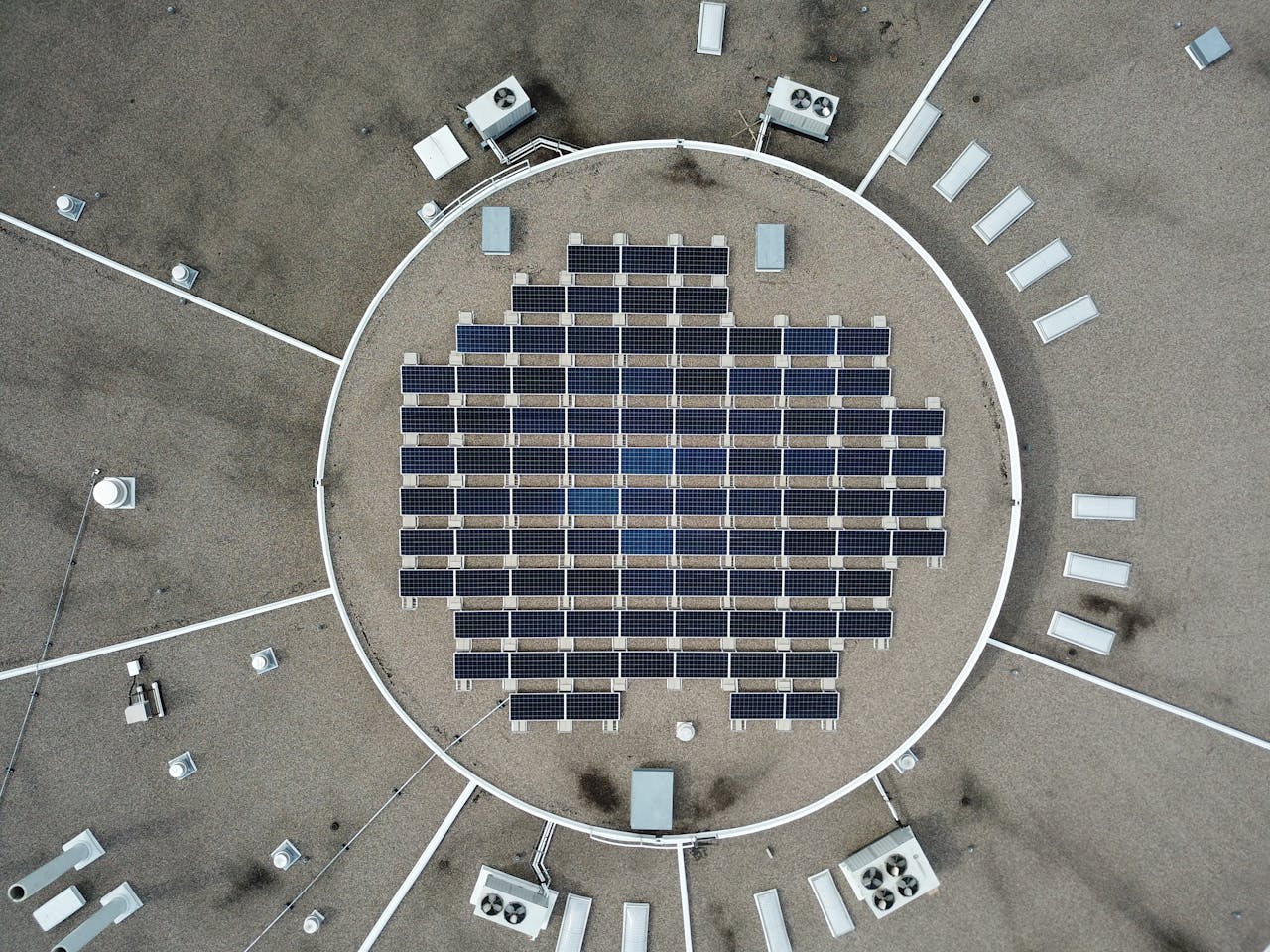
Angola is blessed with massive hydroelectric potential and high solar irradiation. The 2026 reform agenda prioritizes “hybridization”—using solar parks to supplement hydroelectric dams during dry seasons. The African Development Bank (AfDB) is currently funding several of these large-scale renewable projects, which aim to increase the national electrification rate to 60% by 2030.
Green Hydrogen Potential
With its abundant water resources and growing renewable capacity, Angola is positioning itself as a future exporter of green hydrogen. The Port of Namibe is being studied as a potential hub for green ammonia production, targeting the European industrial market. This forward-looking diversification is a hallmark of Angola’s Energy Sector Reforms.
High-Growth Investment Niches in the Reformed Landscape
For investors seeking high-impact opportunities, the Angolan energy value chain offers several entry points beyond the upstream sector.
Midstream Infrastructure and Refining
The completion of the Cabinda and Lobito refineries is a game-changer. By refining its own crude, Angola is reducing its reliance on expensive fuel imports and creating a regional market for refined products across the SADC (Southern African Development Community). Investors in pipelines, storage tanks, and logistics are finding a highly lucrative market in this midstream expansion.
Local Content and Specialized Services
Angola’s “Local Content” laws have matured. Rather than acting as a barrier, they now provide a structured framework for joint ventures. There is a high demand for specialized engineering firms, digital oilfield service providers, and environmental consultancy groups that can help operators meet the stringent new regulatory standards set by the ANPG.
Rural Electrification and Off-Grid Solutions
While the national grid expands, there is a massive market for decentralized energy solutions. “Pay-as-you-go” solar home systems and mini-grids are essential for powering Angola’s agricultural and mining hubs in the interior provinces. This sector offers strong ESG credentials and stable, long-term returns for impact investors. The World Bank Group continues to provide risk mitigation for these decentralized energy projects.
Navigating the 2026 Investment Climate: Risks and Rewards
While Angola’s Energy sector is more attractive than ever, success requires a nuanced understanding of the localized operational landscape.
- Transparency and Governance: While the reforms have drastically improved the climate, investors should still conduct deep-dive due diligence. Solution: Partner with Yes! Invest Africa to navigate the regulatory landscape and ensure your local partnerships are fully compliant with the latest anti-corruption statutes.
- Currency Stability: The Angolan Kwanza (AOA) has seen periods of volatility. Solution: Most major energy contracts are USD-denominated, but for domestic-facing projects, investors should utilize the currency hedging tools and political risk insurance provided by the Multilateral Investment Guarantee Agency (MIGA).
- Skill Gaps: As the industry digitizes, there is a fierce competition for high-skill technical talent. Solution: Invest in companies that prioritize “Knowledge Transfer” and local capacity building, which are also looked upon favorably during the concession bidding process.
FAQ – Angola’s Energy Sector Reforms
Q1: What was the primary goal of the 2026 energy reforms in Angola?
The reforms aimed to increase transparency, attract new international investment into mature and frontier basins, and diversify the national energy mix beyond crude oil to include natural gas and renewables.
Q2: How does the ANPG differ from the old Sonangol model?
The ANPG is a dedicated regulator and concessionaire, whereas Sonangol is now a purely operational state-owned oil company. This separation prevents conflicts of interest and ensures a fair playing field for private investors.
Q3: Is Angola safe for renewable energy investment?
Yes. Angola has some of the best hydro and solar profiles in Africa. The government offers sovereign guarantees for large-scale renewable projects that contribute to national energy security and carbon reduction goals.
Q4: Can small and medium-sized energy companies compete in Angola?
Absolutely. The new “Marginal Field” regulations were specifically designed to make smaller projects commercially viable for independent companies that lack the massive capital of the “Supermajors.”
Q5: How can Yes! Invest Africa help me enter the Angolan market?
We provide proprietary market intelligence, identify bankable “Farm-in” opportunities, and facilitate the high-level introductions needed to navigate the ANPG’s bidding and licensing cycles.
Conclusion: Lead the Energy Frontier with Yes! Invest Africa
Angola’s Energy Sector Reforms of 2026 represent a once-in-a-generation opportunity. By choosing transparency over opacity and diversification over dependency, Angola has solidified its position as the energy heart of the Atlantic. For the investor, this is the time to secure a stake in a market where the geological potential is matched by political will.
At Yes! Invest Africa, we are more than advisors; we are your strategic partners in Luanda. Whether you are looking to invest in a deepwater block, a natural gas facility, or a regional solar hub, our team provides the insight, the connections, and the vision to ensure your investment is a landmark of African excellence.
Contact Yes! Invest Africa today to access our 2026 Angola Energy Investment Prospectus.