 admin
adminEthiopia’s Industrial Growth Creates New Investment Opportunities
The economic narrative of 2026 defines Ethiopia as a cornerstone of industrial transformation on the African continent. Moving beyond its historical roots, the nation has rapidly evolved into a manufacturing and processing powerhouse, driven by strategic state-led industrialization and a massive, motivated workforce. For institutional investors, private equity firms, and corporate strategists, Ethiopia investment opportunities represent a high-yield frontier that is currently undergoing structural modernization at an unprecedented pace.
At Yes! Invest Africa, we recognize that Ethiopia’s commitment to building integrated industrial parks and modern logistics corridors has fundamentally changed the risk-reward profile for foreign capital. This guide explores how Ethiopia’s industrial breakthrough is creating bankable avenues for global investors across the manufacturing, agriculture, and infrastructure sectors.
The Macro-Drivers of Ethiopia’s Industrial Breakthrough
Ethiopia’s emergence as an industrial leader is not merely a regional trend; it is the result of focused national policy and competitive advantages that distinguish it from other emerging markets.
1. Strategic Industrial Zones and Special Economic Zones (SEZs)
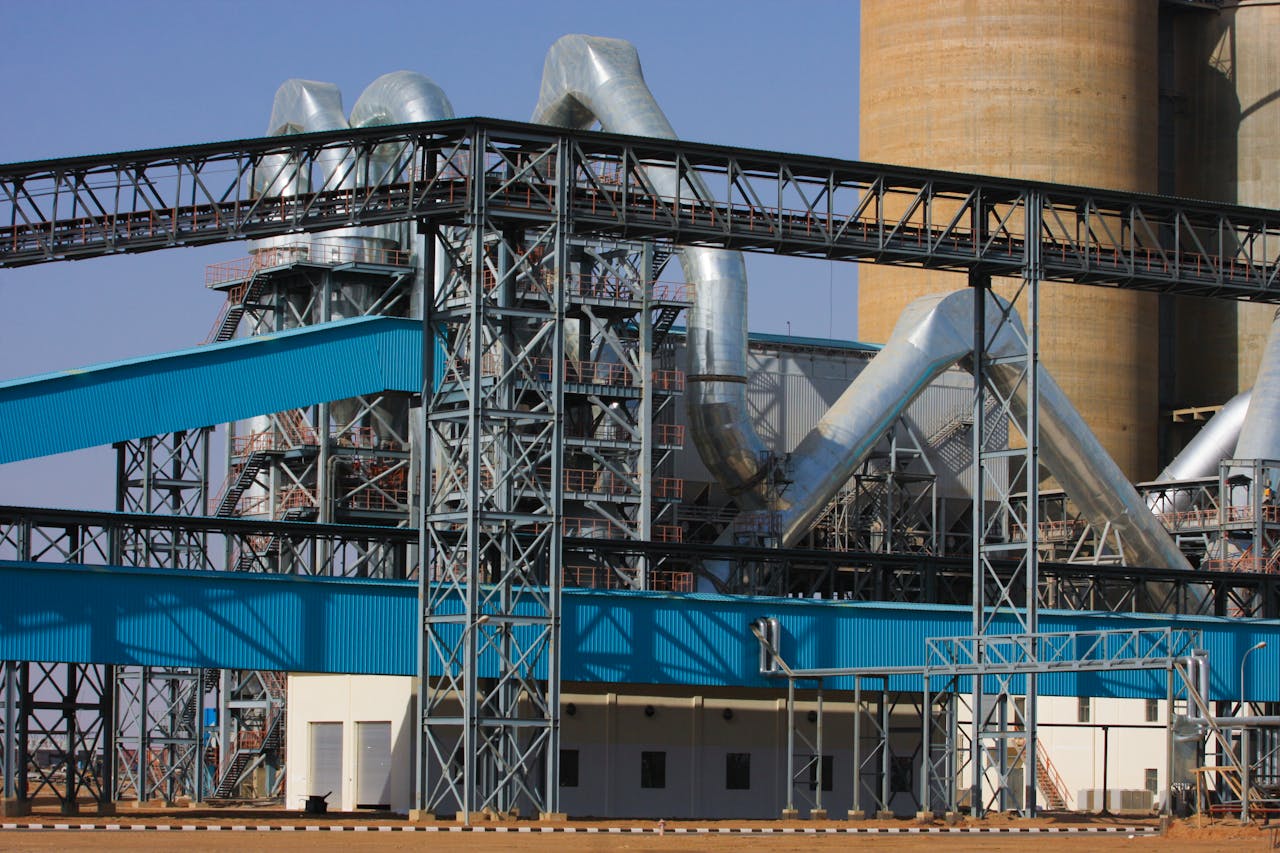
The backbone of Ethiopia’s growth lies in its state-of-the-art Industrial Parks. These zones are designed to facilitate ease of doing business, offering competitive tax incentives, integrated logistics, and reliable access to power. According to the United Nations Industrial Development Organization (UNIDO), these parks are essential for reducing operational friction and maximizing the speed-to-market for manufactured goods.
2. A Massive and Cost-Competitive Workforce
Ethiopia possesses one of the largest and most cost-competitive workforces in Africa. The nation’s massive demographic base ensures a stable supply of labor for labor-intensive industries like textile manufacturing, light electronics, and secondary agricultural processing. This demographic advantage is a primary driver of sustainable long-term economic growth.
3. Investment in Energy Infrastructure
Ethiopia’s commitment to energy security is a major pull factor for industrial capital. Through massive investments in hydroelectric power, such as the Grand Ethiopian Renaissance Dam, the nation provides affordable and clean energy to its industrial sectors. This access to low-cost electricity is a significant operational advantage that enhances the competitiveness of Ethiopian-made products in global export markets.
High-Growth Sectors for Strategic Capital Allocation
Ethiopia’s industrial roadmap is targeted, and investors who align with these state-backed priorities can capture substantial returns.
1. Textile and Apparel Manufacturing
The textile sector is the flagship of Ethiopia’s industrial parks. Global fashion brands are increasingly shifting their supply chains to Ethiopia to leverage lower production costs and proximity to key export markets. Investing in this sector involves not just factory operations, but also the supply chain links that support fabric production and garment finishing.
2. Automated Agribusiness and Processing
Ethiopia has immense uncultivated arable land, yet the investment opportunity lies in “value addition” rather than raw export. By funding automated food processing, cold-chain logistics, and modern irrigation, investors help modernize the agricultural value chain. This sector creates high-demand export products, matching the investment frameworks analyzed in our Agribusiness Opportunities in Africa profiles.
3. Construction and Physical Infrastructure
With the expansion of industrial zones and urban centers, Ethiopia is in a constant state of infrastructure development. Opportunities for investors exist in the supply of high-grade construction materials, engineering services, and the development of ancillary logistics assets that support the growth of the nation’s industrial corridors.
4. Fintech and Digital Logistics
As industrial activity scales, the demand for digital financial services and automated logistics has exploded. Fintech platforms that facilitate B2B transactions and supply chain payments are becoming essential components of the industrial ecosystem. These sectors are critical to the modernization of Ethiopian commerce, a theme explored in our Fintech Growth in Africa analysis.
The Strategic Mastermove: Partnering with Yes! Invest Africa
Navigating an industrial landscape as complex and fast moving as Ethiopia’s requires more than just capital it requires specialized operational expertise and legal de-risking. Many investors miss out on prime concessions by relying on unvetted middle-tier brokers.
At Yes! Invest Africa, we connect institutional investors directly with the local stakeholders driving industrial growth. We ensure your capital is deployed through:
- Clause-by-Clause Enforceable Contracts: We provide airtight legal agreements that protect your equity in public-private concessions and local joint ventures.
- Direct Negotiation Pipelines: We bypass intermediaries to connect your firm directly with verified project developers and local procurement managers.
- Comparative Market Analysis: We deliver rigorous technical and financial due diligence, ensuring that your investment aligns with both Ethiopian sovereign fiscal goals and international compliance standards.
Frequently Asked Questions (FAQ)
- Why is Ethiopia considered a leader in industrial growth in 2026?
Ethiopia has aggressively implemented a strategy of state-led industrialization centered around state-of-the-art Industrial Parks, cheap renewable energy, and a competitive labor force.
- Which sectors offer the fastest returns in Ethiopia?
Textile manufacturing, automated agribusiness processing, and construction infrastructure are currently experiencing the highest levels of industrial scale and institutional interest.
- How can foreign investors minimize operational risks in Ethiopia?
Investors can minimize risk by prioritizing investments in state-backed Industrial Parks, utilizing clause-by-clause enforceable legal contracts, and partnering with verified local operators through entities like Yes! Invest Africa.
- How does Yes! Invest Africa facilitate these investments?
We act as your on-the-ground operational arm, performing deep due diligence, vetting potential partners, and connecting you to bankable projects that are ready for immediate capital deployment.
- Is the Ethiopian energy sector open to private investment?
Yes, Ethiopia has been increasingly liberalizing its energy sector, offering opportunities for private firms to invest in renewable energy projects that power industrial expansion.