 Article Writer
Invest in Egypt: North Africa’s Gateway to Global Trade
Egypt, strategically located at the crossroads of Africa, the Middle East, and Europe, has become a magnet for international investors. With a diversified economy, ambitious infrastructure projects, and unparalleled access to global trade routes via the Suez Canal, Egypt offers unmatched opportunities for those looking to scale their operations. But why choose Egypt, and why is 2026 the definitive year to act?
At Yes! Invest Africa, we believe that the current macroeconomic reforms and industrial expansion make it the perfect time to Invest in Egypt. As the nation transitions toward a digital and green economy, early movers are securing long-term advantages in one of the continent’s most resilient markets.
Egypt’s Economic Landscape and Growth Drivers
Egypt’s economy is anchored in energy, manufacturing, agriculture, and services. The government’s “Vision 2030” initiative has paved the way for a more open, private-sector-led market.
Core Growth Pillars
- Energy Sector: Massive reserves of natural gas and a rapid shift toward renewable energy.
- Manufacturing Hub: Growing textiles, chemicals, and automotive industries.
- Strategic Location: Home to the Suez Canal, which handles approximately 12% of global trade.
- Demographic Power: A population of over 110 million provides both a vast labor pool and a massive domestic consumer market.
The decision to Invest in Egypt today is supported by a significant increase in Foreign Direct Investment (FDI) inflows, signaling global confidence in the Egyptian pound’s stabilization and fiscal reforms.
Sector-Specific Investment Opportunities
For institutional and private investors ready to Invest in Egypt, several high-impact sectors offer robust ROI potential.
1. Oil, Gas, and Renewable Energy
Egypt is a regional energy powerhouse. The Zohr gas field has turned Egypt into a net exporter of natural gas, while the Benban Solar Park—one of the largest in the world highlights the nation’s green ambitions. According to the International Energy Agency (IEA), Egypt’s renewable capacity is set to grow exponentially to meet 42% of its energy needs by 2035.
2. Manufacturing and Industrial Growth
The Egyptian government has established several Special Economic Zones (SEZs), such as the Suez Canal Economic Zone (SCZONE), offering tax incentives and streamlined regulations. This makes it easier for global firms to Invest in Egypt for manufacturing and export purposes.
3. Agriculture and Agribusiness
With 2026 focusing on food security, Egypt is reclaiming vast desert lands for cultivation. Investment in agritech, irrigation systems, and food processing plants is critical. Egypt remains a global leader in high-quality cotton and citrus exports, often supported by projects from the World Bank Group.
4. Infrastructure and Suez Canal Expansion
The “New Administrative Capital” and the expansion of the Suez Canal are proof of Egypt’s commitment to modernizing its logistics. These projects create a ripple effect of opportunities in construction, real estate, and smart city technologies.
Strategic Advantages for Global Investors
When you Invest in Egypt, you are not just entering a local market; you are accessing a global network.
Unrivaled Connectivity
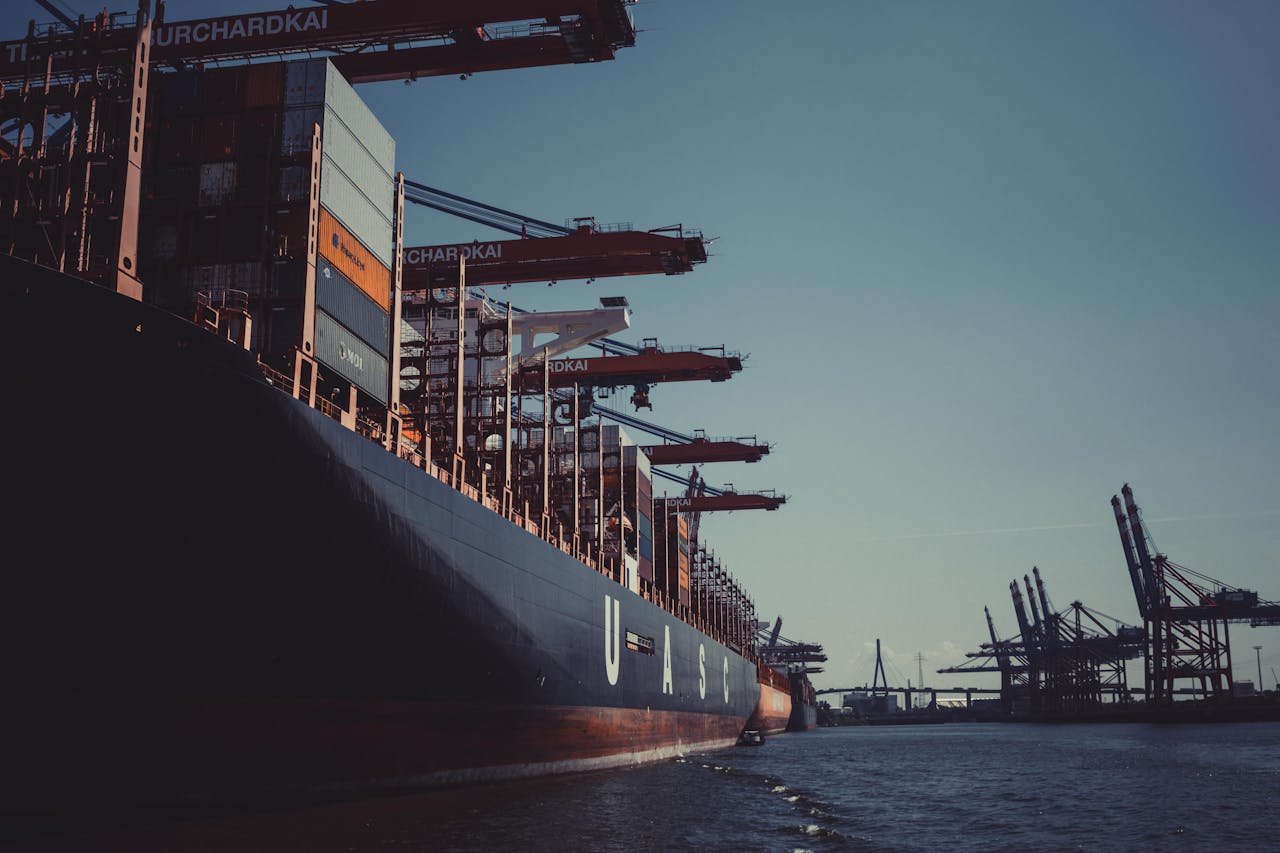
The Suez Canal remains the world’s most vital maritime shortcut. Furthermore, Egypt’s participation in the African Continental Free Trade Area (AfCFTA) allows duty-free access to over 1.3 billion people across the continent.
Pro-Business Reforms
The introduction of the “Golden License” has simplified the process for investors to obtain building and management permits in a single step. This reform is a game-changer for those looking to Invest in Egypt without traditional bureaucratic delays.
Challenges and Risk Mitigation
Emerging markets always carry risks, but Egypt has established frameworks to protect international capital.
- Policy Shifts: While the direction is pro-market, stay updated on fiscal changes.
- Currency Fluctuations: Hedging strategies are recommended for long-term projects.
- Logistics: While urban infrastructure is top-tier, rural logistics are still catching up.
The Solution: Partner with established local consultants, utilize international arbitration clauses, and consult with organizations like the International Monetary Fund (IMF) for updated macroeconomic outlooks.
Q&A: Common Questions on Investing in Egypt
- Why is Egypt considered a gateway for trade?
Egypt’s ownership of the Suez Canal and its strategic position at the meeting point of three continents make it the ultimate logistical hub for global trade.
- What are the most promising sectors to Invest in Egypt?
Renewable energy (solar and wind), manufacturing in SEZs, and agritech are currently providing the highest growth potential.
- What is the “Golden License”?
It is a comprehensive investment license that grants investors a single approval for setting up, managing, and operating projects, significantly cutting red tape.
- How does Egypt manage investment risks?
Through bilateral investment treaties, membership in MIGA (World Bank), and modern legal frameworks that allow for international arbitration.
- Is there support for tech startups?
Yes, Egypt has one of the fastest-growing startup ecosystems in Africa and the Middle East, with significant VC interest in fintech and e-commerce.
Build Your Portfolio with Yes! Invest Africa
The opportunity to Invest in Egypt represents a strategic move into a market with massive scale and momentum. At Yes! Invest Africa, we provide the ground-truth intelligence and institutional connections required to navigate the Egyptian market. From energy concessions to industrial setups, we ensure your investment is secure and aligned with the best opportunities in North Africa.
Contact Yes! Invest Africa today to receive your exclusive 2026 Egypt Investment Briefing.