 Article Writer
Invest in Liberia: Unlocking West Africa’s Potential
Liberia, located on the West African coast, is increasingly recognized as a promising investment destination. With abundant natural resources, fertile agricultural land, and a strategic location along the Atlantic, Liberia offers unique opportunities for global investors. But why Liberia, and why now?
The answer lies in the country’s rapid transition toward an open-market economy. At Yes! Invest Africa, we believe that the current climate offers a rare “first-mover” advantage for those looking to Invest in Liberia. As the global demand for iron ore and sustainable agricultural products rises, Liberia’s untapped potential is becoming a focal point for institutional capital seeking high-growth frontiers in West Africa.
Liberia’s Economic Landscape
Liberia’s economy is fundamentally driven by agriculture, mining, and services. These three pillars form the backbone of the nation’s GDP and are the primary targets for international development finance.
Core Economic Pillars
- Agriculture: Rubber, palm oil, cocoa, and rice dominate production.
- Mining Wealth: Liberia is rich in iron ore, gold, and diamonds.
- Energy Potential: Hydropower and renewable energy projects are emerging to solve historic power deficits.
- Strategic Location: Its Atlantic ports connect West Africa to global trade routes, providing a logistical gateway to Europe and the Americas.
The current administration has emphasized a pro-growth agenda, focusing on stabilizing the macroeconomic environment to encourage more people to Invest in Liberia.
Key Sectors for Investors
For those ready to Invest in Liberia, the opportunities are vast across several high-impact sectors.
Mining and Natural Resources
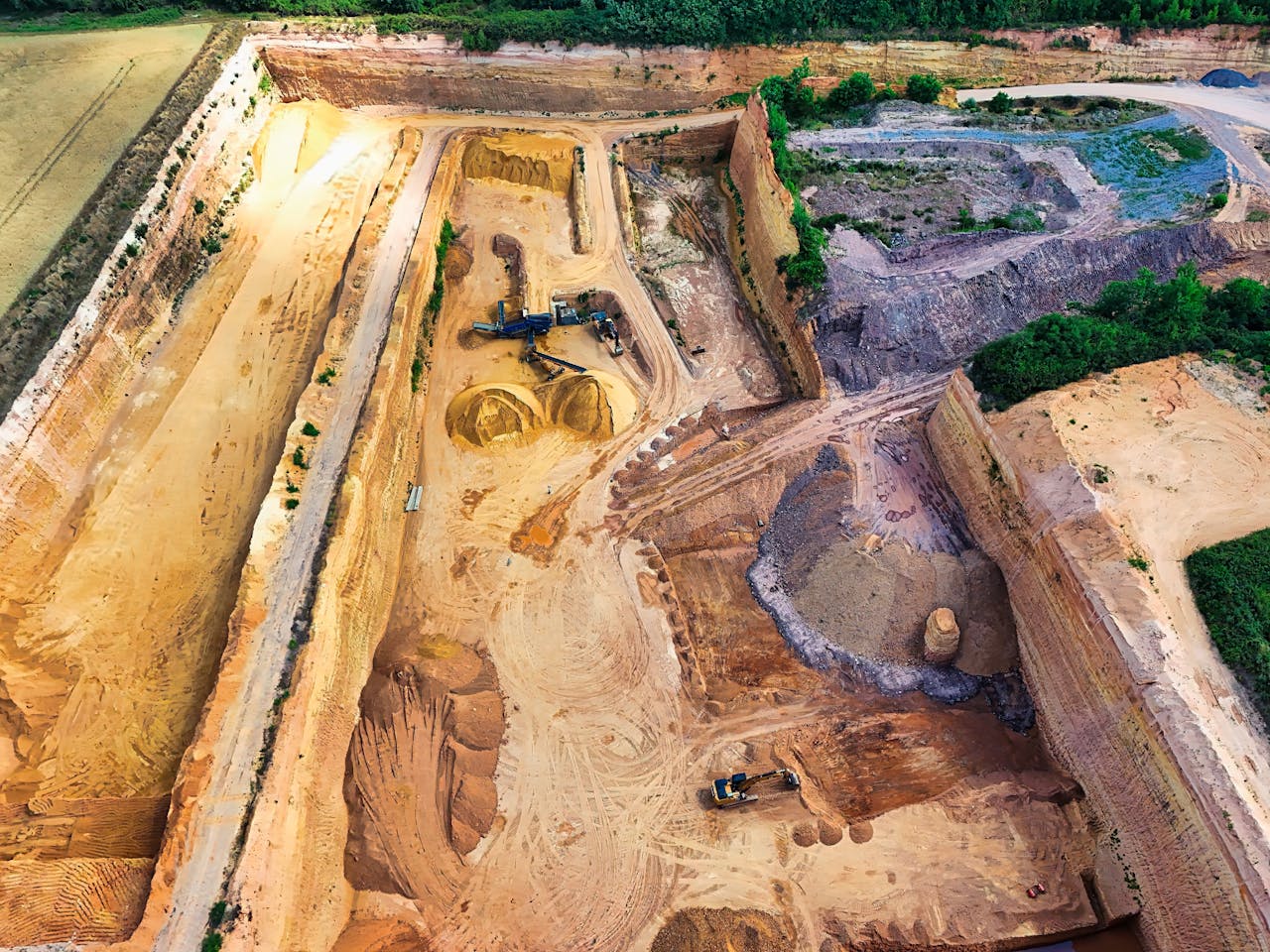
Liberia’s iron ore and gold reserves attract international mining companies. Diamonds and other minerals provide further opportunities for exploration and export. Major global players, such as ArcelorMittal, have already committed billions to the expansion of iron ore logistics, proving the viability of long-term mining ventures in the region.
Agriculture and Agribusiness
Agriculture employs the majority of Liberia’s workforce. Investment in agritech, irrigation, and food processing can boost productivity and exports. Beyond rubber and palm oil, there is significant potential in rice self-sufficiency projects and high-value cocoa exports. Organizations like the International Fund for Agricultural Development (IFAD) have consistently highlighted Liberia’s fertile soil as a key asset for regional food security.
Energy and Renewables
Liberia’s rivers offer hydropower potential, while solar projects are expanding. Investors can support clean energy initiatives to meet rising demand. The Mount Coffee Hydropower Plant serves as a successful blueprint for how renewable infrastructure can revitalize industrial capacity.
Infrastructure Development
Liberia requires investment in roads, ports, housing, and telecommunications. Public-private partnerships (PPPs) can modernize infrastructure and support economic growth. As urban centers like Monrovia expand, the demand for modern real estate and efficient transport networks continues to outpace supply.
Why Liberia Appeals to Investors
When you decide to Invest in Liberia, you are entering a market characterized by high growth margins and significant reform momentum.
Untapped Potential
Liberia remains underexplored compared to other African markets, offering first-mover advantages. This lack of saturation allows investors to secure prime concessions in mining and agriculture at competitive valuations.
Government Reforms
Liberia has introduced reforms to improve transparency, attract foreign investment, and strengthen legal frameworks. The Liberia Chamber of Commerce works closely with the government to ensure that investor concerns are addressed through proactive policy dialogue.
Regional Integration
Liberia benefits from trade agreements under the African Continental Free Trade Area (AfCFTA). This allows businesses based in Liberia to export duty-free to a continental market of over 1.3 billion people.
Challenges and Risk Mitigation
While the prospects are strong, those who Invest in Liberia must adopt a sophisticated risk management strategy.
- Political Risk: Governance structures are evolving, requiring investors to stay informed on policy shifts.
- Legal Frameworks: It is critical that contracts are enforceable and clearly defined.
- Infrastructure Gaps: Logistics and energy supply can pose challenges, especially in rural areas.
The Solution: Successful investors partner with local firms, use international arbitration clauses, and leverage development finance institutions (DFIs). Engaging with entities like the World Bank Group can provide additional layers of investment insurance and project backing.
Case Studies of Investment in Liberia
The success of previous ventures provides a roadmap for those looking to Invest in Liberia.
Mining Ventures
International mining companies have successfully operated in Liberia’s iron ore and gold sectors, contributing significantly to GDP growth. These operations have demonstrated that with the right logistics agreements, Liberian minerals can compete on the global stage.
Agribusiness Partnerships
Foreign investors have supported rubber and palm oil plantations, boosting exports and employment. These projects have matured into sustainable ecosystems that provide both profit and significant social impact.
Renewable Energy Projects
Liberia is collaborating with global firms to develop hydropower and solar projects, positioning itself as a future energy hub. These partnerships are essential for lowering the cost of doing business across all other industrial sectors.
Q&A Section: Investing in Liberia
Q1: Why should investors consider Liberia? A: Liberia offers abundant natural resources, fertile land, and a strategic Atlantic location, making it a promising investment destination for long-term growth.
Q2: Which sectors are most promising for high returns? A: Mining, agriculture, energy, and infrastructure are currently the top sectors for those looking to Invest in Liberia.
Q3: What risks exist in Liberia’s investments? A: Potential risks include political evolution, legal complexities, and infrastructure gaps. However, these can be mitigated with strong contracts and local partnerships.
Q4: How does Liberia’s location benefit investors? A: Liberia’s Atlantic ports connect West Africa to global trade, offering efficient access to international markets in Europe and the Americas.
Q5: Is there support for new foreign investors?
A: Yes, the government and various business chambers provide resources to help foreign entities navigate the local regulatory landscape and establish operations.
Your Gateway to West African Growth
The decision to Invest in Liberia is a decision to participate in one of West Africa’s most promising economic transformations. At Yes! Invest Africa, we specialize in identifying vetted opportunities and providing the ground-truth intelligence required to navigate emerging markets. Whether you are interested in the mineral wealth of the interior or the agricultural potential of the coastal plains, we are here to ensure your investment is both secure and impactful.
Contact Yes! Invest Africa today to receive a personalized investment briefing on Liberia’s high-growth sectors