 Developer Developer
Mauritania has quietly become one of West Africa’s most consequential new gas economies. In January 2025, the Grand Tortue Ahmeyim project, a landmark offshore gas development shared with neighboring Senegal, began its first phase of production, marking what analysts describe as an economic turning point for the country. With a second major gas field already under development and green hydrogen investment decisions expected throughout 2026, Mauritania is positioning itself as a genuine new player in global gas markets. For investors tracking Africa’s next wave of LNG development, this is a market that has moved from potential to production, and the opportunity window is still wide open.
Mauritania’s Emergence as a Gas Producer
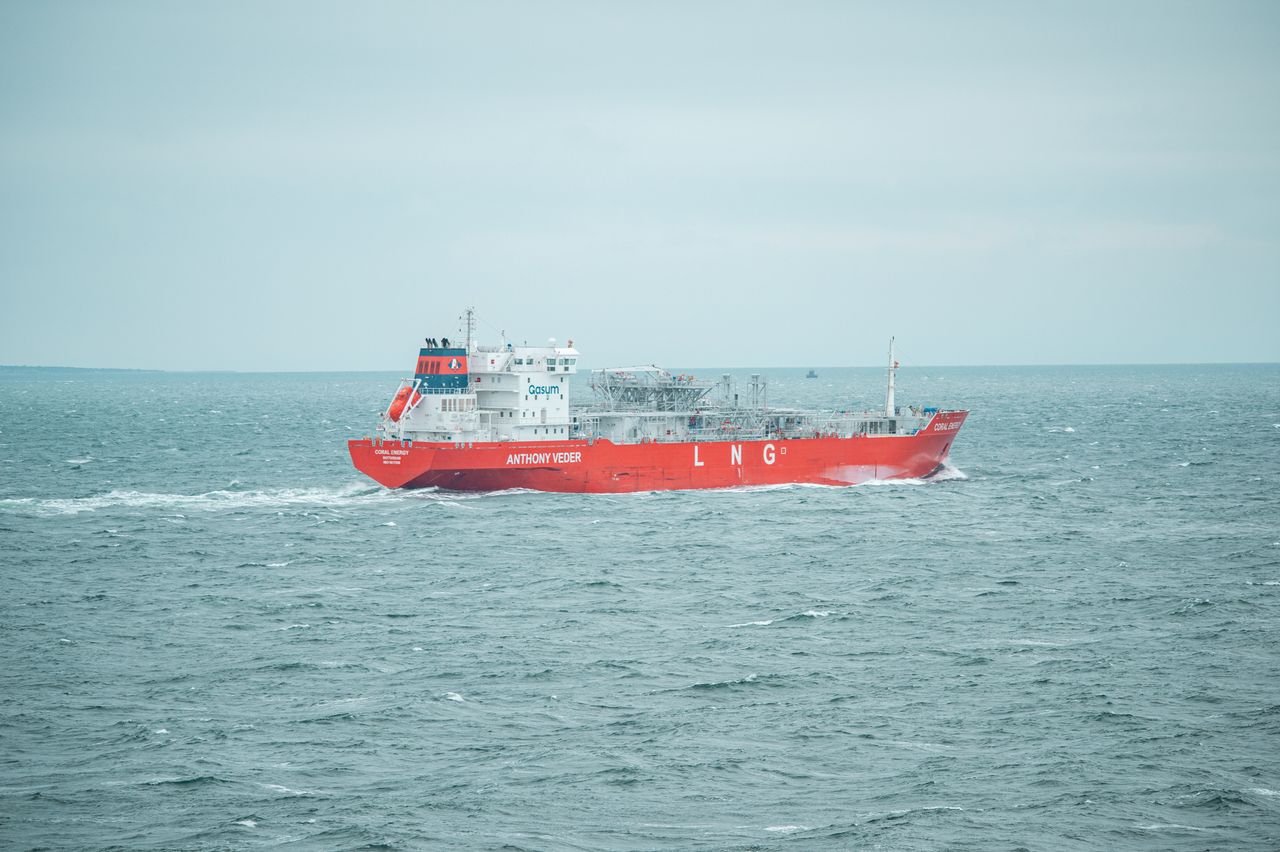
Mauritania’s natural gas story centers on the Grand Tortue Ahmeyim project, known as GTA, an offshore field straddling the maritime border between Mauritania and Senegal. According to economic analysis published by Nicola Bernard, the project is operated jointly by BP and Kosmos Energy, with its first phase beginning production in early 2025 and an annual capacity of approximately 2.5 million tonnes of liquefied natural gas. That milestone came after earlier production delays and weaker gold output had slowed Mauritania’s economic growth in 2024, making GTA’s full commissioning a genuine turning point for the national economy.
The scale of this shift is reflected in Mauritania’s 2026 growth outlook. The country’s economy is projected to grow 4.4 percent in 2026, accelerating toward 4.7 percent in 2027, driven directly by gas production ramping up, alongside a new uranium project and expanding iron ore output, according to analysis from Reamby.
A Second Major Field Is Already in Development
GTA is not Mauritania’s only significant gas asset. The Banda BirAllah gas field is following close behind, according to the African Development Bank, giving the country a second major development in its gas pipeline rather than a single point of production risk. Together, GTA and BirAllah signal a structured, multi-phase gas strategy rather than a one-off resource discovery, an important distinction for investors evaluating the durability of Mauritania’s energy growth story.
Gas Is Already Powering Domestic Electricity and Exports
The economic impact of GTA extends beyond export revenue. According to Coface’s country risk analysis, gas from the project is contributing to national electricity production, with exports beginning in April 2025. This dual role, powering both domestic industry and international export earnings, gives Mauritania’s gas sector a more resilient economic foundation than a purely export-oriented resource play.
Why Mauritania’s Strategic Position Matters for Investors
Mauritania’s geography is central to its investment case. The country forms a critical link between the Maghreb region of North Africa and the Sahel region of West Africa, with a 754-kilometer Atlantic coastline that is vital not only for gas exports but also for maritime trade and a significant fisheries sector, according to the Mauritania Investment Portal. That coastal position places the country’s LNG infrastructure within efficient shipping distance of both European and broader Atlantic markets.
Fiscal Reforms Are Reinforcing Investor Confidence
Mauritania’s gas expansion is being reinforced by genuine fiscal discipline. The government has pursued sustained fiscal consolidation, including a new carbon tax, improved tax collection, and the elimination of several tax exemptions, while higher gas royalties are helping offset increased spending on capital investment and social transfers. The country has also maintained active International Monetary Fund program relationships, benefiting from an Extended Fund Facility and Extended Credit Facility since January 2023, along with a Resilience and Sustainability Facility granted in December 2023. For investors, that kind of sustained multilateral engagement typically signals a more predictable macroeconomic and regulatory environment.
Beyond LNG: The Green Hydrogen Connection
Mauritania’s gas sector does not exist in isolation. It sits alongside one of the most ambitious green hydrogen investment pipelines on the African continent, and the two sectors are increasingly linked.
World-Scale Green Hydrogen Projects Are Advancing
Multiple international companies have signed agreements to explore Mauritania’s green hydrogen potential, with investment decisions expected throughout 2026. The most prominent is the Aman project, a $40 billion venture led by CWP Global aiming to produce 1.7 million tonnes of green hydrogen and 10 million tonnes of green ammonia annually, a project alone estimated to potentially boost Mauritania’s GDP by 50 to 60 percent by 2035, according to bne IntelliNews. A second major initiative, the Nour project led by Chariot and TotalEnergies, has the potential to become one of the largest green hydrogen developments globally by 2030, according to the U.S. Commercial Guide to Mauritania.
Natural Gas as a Bridge to Green Steel
Perhaps the most compelling long-term convergence is between Mauritania’s gas resources, its green hydrogen ambitions, and its position as Africa’s second-largest iron ore producer. Plans are underway to use domestic natural gas and green hydrogen to produce Direct Reduced Iron and green steel from Mauritania’s vast iron ore reserves, a strategy the Mauritania Investment Portal describes as a paradigm shift toward high-value industrial products. SNIM, the state mining company, and ArcelorMittal are already exploring joint green steel production, positioning Mauritania as a potential leader in sustainable steel manufacturing built on its own gas and renewable energy base.
Where the Investment Opportunities Are Concentrated
For investors evaluating Mauritania’s natural gas and LNG sector, four categories currently stand out as the most commercially attractive entry points.
- Upstream gas development and services. With GTA now producing and BirAllah advancing, opportunities exist in field services, subsea infrastructure, and offshore engineering support.
- LNG offtake and export infrastructure. As GTA and BirAllah scale toward full capacity, offtake agreements and port infrastructure represent a growing commercial category.
- Domestic gas-to-power. Gas already feeding national electricity production points to continued opportunity in power generation and grid infrastructure tied to domestic gas utilization.
- Green hydrogen and green steel integration. The convergence of gas, renewable energy, and iron ore positions Mauritania as an early mover in green industrial development, an emerging category with limited existing competition.
Yes! Invest Africa connects investors to this pipeline through its Energy & Oil investment vertical, providing access to commercially verified opportunities across Mauritania’s natural gas, LNG, and broader West Africa energy sector.
A Market Moving From Potential to Production
Mauritania’s gas sector has crossed the threshold that matters most to investors: it has moved from resource potential to active, revenue-generating production. With GTA now feeding both export markets and domestic electricity, BirAllah advancing behind it, and green hydrogen investment decisions arriving throughout 2026, the country offers a rare combination of proven near-term cash flow and genuine long-term industrial transformation potential.
Frequently Asked Questions
1. What is the Grand Tortue Ahmeyim (GTA) project?
GTA is a major offshore natural gas field shared between Mauritania and Senegal, operated jointly by BP and Kosmos Energy. Its first phase began production in early 2025 with an annual capacity of approximately 2.5 million tonnes of LNG.
2. Does Mauritania have other gas projects besides GTA?
Yes. The Banda BirAllah gas field is under development following GTA, giving Mauritania a second major gas asset and a more diversified production pipeline.
3. How is Mauritania’s gas sector connected to green hydrogen?
Mauritania’s natural gas and renewable energy resources are increasingly viewed as complementary, with plans to use both gas and green hydrogen to produce Direct Reduced Iron and green steel from the country’s iron ore reserves, alongside standalone green hydrogen projects such as Aman and Nour.
4. Is Mauritania’s economy dependent on gas alone?
No. Gas is an increasingly important growth driver, but Mauritania’s economy also relies on iron ore, gold mining, and fishing, giving the country a diversified resource base beyond hydrocarbons.
5. How can foreign investors access Mauritania’s natural gas and LNG sector?
Most investors enter through joint ventures with established operators, offtake agreements, field services contracts, or by working with an investment facilitation partner that provides due diligence, regulatory guidance, and introductions to vetted local and government stakeholders.
Position Your Capital in Mauritania’s Gas-Powered Growth Story
Mauritania has moved decisively from gas potential to gas production, backed by BP, Kosmos Energy, and a government pursuing genuine fiscal reform alongside its energy transformation. Investors who move now, across upstream development, export infrastructure, and the emerging green hydrogen and green steel opportunity, are positioned to capture returns from one of West Africa’s most credible new energy growth stories.
Yes! Invest Africa connects institutional investors, private equity firms, and high-net-worth individuals with commercially verified natural gas and LNG opportunities across Mauritania and all five African regions. Request your free consultation today and let our team guide you from sector selection to market entry.