 Developer Developer
Republic of Congo is in the middle of one of Sub-Saharan Africa’s most ambitious energy transformations. The country, already the region’s third-largest oil producer, is targeting a near-doubling of output, from 280,000 barrels per day to 500,000 barrels per day by 2027, while simultaneously building out a brand-new liquefied natural gas export industry from a standing start just two years ago. For investors evaluating exposure to African oil and gas, Congo-Brazzaville offers a rare combination: an established, de-risked producing base and a genuinely new growth story in LNG, both backed by an economy the government now projects will grow 5.3 percent in 2026, driven directly by the energy sector.
Republic of Congo’s Oil and Gas Sector at a Glance
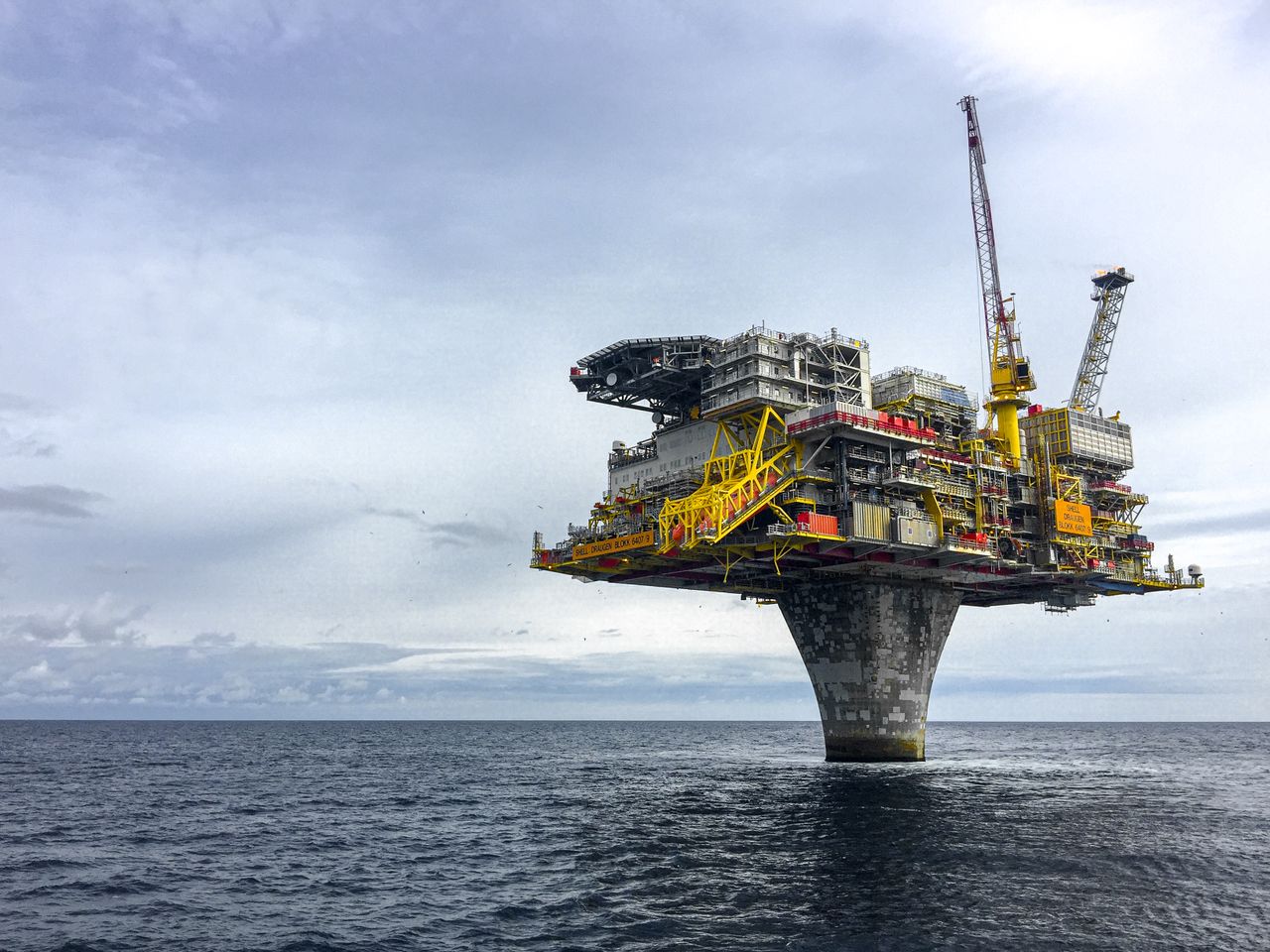
Oil has long been the backbone of the Congolese economy, and the sector is now entering a new growth phase rather than simply maintaining legacy output. According to Energy Capital & Power, Congo aims to nearly double oil production from 280,000 barrels per day to 500,000 barrels per day by 2027, driven by a series of landmark projects led by TotalEnergies, Trident Energy, and Perenco. To support that goal, the government is preparing a new international oil and gas licensing round, expected to open a fresh wave of investment into what is already Sub-Saharan Africa’s third-largest oil producing market.
Financial officials are already reflecting that momentum in national economic forecasts. In March 2026, Congo’s National Economic and Financial Committee projected the economy would grow 5.3 percent in 2026, a meaningful acceleration from recent years, with Finance Minister Christian Yoka identifying a rebound in oil production as the primary engine behind that forecast, according to Brazzaville Insider.
TotalEnergies Remains the Sector’s Anchor Investor
TotalEnergies is by far Congo’s largest oil operator, holding more than 50 percent of national production, well ahead of Italy’s Eni Congo. The company’s flagship asset is Moho Nord, a deepwater offshore field located roughly 80 kilometers off the coast of Pointe-Noire. TotalEnergies has continued committing substantial capital to Congolese operations, including a 2024 investment package worth more than 360 billion CFA francs directed toward production and exploration activity, according to reporting from AllAfrica. Notably, TotalEnergies has also been gradually exiting mature, lower-efficiency fields to concentrate capital on high-efficiency, lower-emissions deepwater assets like Moho Nord, a shift that aligns with the company’s broader global decarbonization strategy while still deepening its Congolese footprint.
The New Frontier: Congo’s Emerging LNG Industry
While oil remains Congo’s economic backbone, the country’s real growth story for investors in 2026 is natural gas. Congo made history in February 2024 by exporting its first LNG cargo from the Tango floating LNG facility, marking the country’s entry into the global LNG export market. That milestone has since evolved into a much larger buildout.
Phase 2 of Congo LNG Nears Full Capacity
Eni’s Congo LNG project, part of the Marine XII development, completed its Phase 2 expansion around December 2025, lifting gas production capacity from 0.6 million tonnes per annum to 3 million tonnes per annum. That expansion positions Congo as a genuine mid-tier LNG exporter, according to analysis from Oil & Gas Analysis, which also notes that Vitol’s investment into Congo LNG signals strong private-sector confidence in the profitability of the country’s offshore deepwater gas reserves.
A Formal Gas Master Plan Is Taking Shape
Congo’s ambitions extend well beyond a single project. The country holds more than 10 trillion cubic feet of proven natural gas resources and is in the process of unveiling a formal Gas Master Plan, launching a new National Gas Company, and releasing an updated Gas Code, all designed to promote domestic gas utilization, reduce flaring, and expand gas-to-power infrastructure. This kind of structural policy framework is exactly what reduces regulatory uncertainty for investors evaluating long-term gas infrastructure commitments.
Downstream Infrastructure Is Expanding Alongside Production
Congo’s energy investment story is not limited to extraction. Two major downstream projects illustrate how the country is working to capture more value domestically from its hydrocarbon resources.
The Fouta Refinery
The Fouta refinery project is expected to begin operations and produce roughly 2.5 million tonnes of petroleum products annually, including diesel and gasoline, once commissioned. This represents a significant step toward reducing Congo’s reliance on imported refined fuel products.
A New Pointe-Noire to Brazzaville Pipeline
In June 2025, Congo approved a joint venture with Russian state-backed firms to construct a petroleum products pipeline connecting the coastal city of Pointe-Noire to the capital, Brazzaville. Structured as a build-own-operate-transfer agreement with a 25-year concession, the pipeline is expected to significantly reduce internal fuel transport constraints, decrease dependency on coastal fuel terminals, and expand fuel access across the country’s interior.
Where the Investment Opportunities Are Concentrated
For investors evaluating Congo’s oil and gas sector, four categories currently stand out as the most active and commercially attractive entry points.
- Upstream oil and gas licensing. Congo’s upcoming international licensing round is expected to open new exploration and production blocks as the country pushes toward its 500,000 barrel-per-day target.
- LNG infrastructure and offtake. With Phase 2 of Congo LNG now online and a formal Gas Master Plan underway, gas processing, offtake agreements, and floating LNG infrastructure represent a genuine growth frontier.
- Downstream refining and fuel distribution. The Fouta refinery and the new Pointe-Noire to Brazzaville pipeline point to sustained demand for domestic refining and distribution infrastructure.
- Gas-to-power and domestic utilization. Congo’s push to reduce flaring and expand gas-to-power projects is creating early-stage opportunities in domestic energy infrastructure.
Yes! Invest Africa connects investors to this pipeline through its Energy & Oil investment vertical, providing access to commercially verified opportunities across Congo’s upstream, LNG, and downstream energy sectors.
A Market Backed by Strong Institutional Confidence
The Republic of Congo will host the second edition of the Congo Energy & Investment Forum in Brazzaville, under the theme “Invest. Build. Empower: Transforming Congo’s Energy Landscape.” The forum reflects the level of institutional attention the country’s energy sector is now attracting, with major operators including TotalEnergies, Eni, Trident Energy, Perenco, and Vitol all committing substantial capital to Congolese field development and infrastructure over the past two years.
Frequently Asked Questions
1. How much oil does the Republic of Congo currently produce, and what is the target?
Congo currently produces roughly 280,000 barrels of oil per day and is targeting an increase to 500,000 barrels per day by 2027, driven by projects from TotalEnergies, Trident Energy, and Perenco.
2. Is Republic of Congo a new player in the LNG market?
Yes. Congo exported its first LNG cargo in February 2024 and has since expanded capacity to roughly 3 million tonnes per annum through Eni’s Congo LNG project, positioning it as an emerging mid-tier LNG exporter.
3. Which companies are the largest investors in Congo’s oil and gas sector?
TotalEnergies is the country’s largest operator, holding more than 50 percent of national oil production, followed by Eni Congo. Trident Energy, Perenco, and Vitol are also major participants in the sector’s upstream and LNG expansion.
4. What is Congo’s Gas Master Plan?
It is a national strategy currently being finalized to promote domestic gas utilization, reduce flaring, launch a National Gas Company, and update the country’s Gas Code, providing a clearer regulatory framework for long-term gas investment.
5. How can foreign investors access Congo’s upcoming oil and gas licensing round?
Most investors participate through direct bidding in the licensing process, joint ventures with established operators, or by working with an investment facilitation partner that provides due diligence, regulatory guidance, and introductions to vetted local stakeholders.
Tap Into Congo’s Oil and Gas Growth Story
The Republic of Congo is executing one of the clearest energy growth plans in Sub-Saharan Africa, combining an established, de-risked oil sector with a fast-scaling new LNG industry and expanding downstream infrastructure. Investors who move now, ahead of the country’s upcoming licensing round and continued LNG buildout, are positioned to capture returns from a market already validated by some of the world’s largest energy operators.
Yes! Invest Africa connects institutional investors, private equity firms, and high-net-worth individuals with commercially verified oil and gas opportunities across the Republic of Congo and all five African regions. Request your free consultation today and let our team guide you from sector selection to market entry.