 Developer Developer
Mozambique’s natural gas story has just entered its most important chapter yet. After nearly five years frozen by security concerns in Cabo Delgado, TotalEnergies formally restarted full onshore and offshore construction on its $20 billion Mozambique LNG project in January 2026, reactivating one of the largest energy investments on the African continent. With ExxonMobil’s neighboring Rovuma LNG project also clearing its own force majeure and pushing toward a final investment decision, Mozambique is positioning itself to become Africa’s third-largest LNG exporter, behind only Nigeria and Algeria. For investors tracking natural gas, LNG infrastructure, and energy services across Africa, Mozambique has re-emerged as one of the most consequential markets on the map.
Why Mozambique Matters for Global LNG Markets
Mozambique’s relevance to the global gas market comes down to sheer scale. The Rovuma Basin off the country’s northern coast holds roughly 160 trillion cubic feet of discovered gas, placing Mozambique among the most significant new LNG provinces in the world. For a country where per-capita GDP hovered around $500 at the time of discovery, few resource finds anywhere carry higher national stakes.
According to Natural Gas Intelligence, the restart of Mozambique LNG comes as the country pushes forward to become the third-largest LNG exporting country in Africa, with three major projects, Mozambique LNG, Rovuma LNG, and Eni’s Coral LNG developments, together targeting a combined production capacity of roughly 25 million tonnes per year by the early 2030s.
Mozambique LNG: The Project That Restarted the Sector
TotalEnergies’ Mozambique LNG Area 1 project is the anchor of the country’s gas ambitions, and its return to active construction is the single biggest development driving renewed investor interest.
From Force Majeure to Full Restart
Construction on Mozambique LNG froze in April 2021 after militant attacks in the town of Palma led TotalEnergies to declare force majeure, halting a project that had already secured a record $14.9 billion in senior debt financing from eight export credit agencies and nineteen commercial banks. The force majeure was formally lifted on 7 November 2025, and on 29 January 2026, TotalEnergies Chairman and CEO Patrick Pouyanné met Mozambican President Daniel Chapo in Afungi to jointly announce the full resumption of onshore and offshore activities, according to TotalEnergies’ official newsroom.
Current Project Scale and Timeline
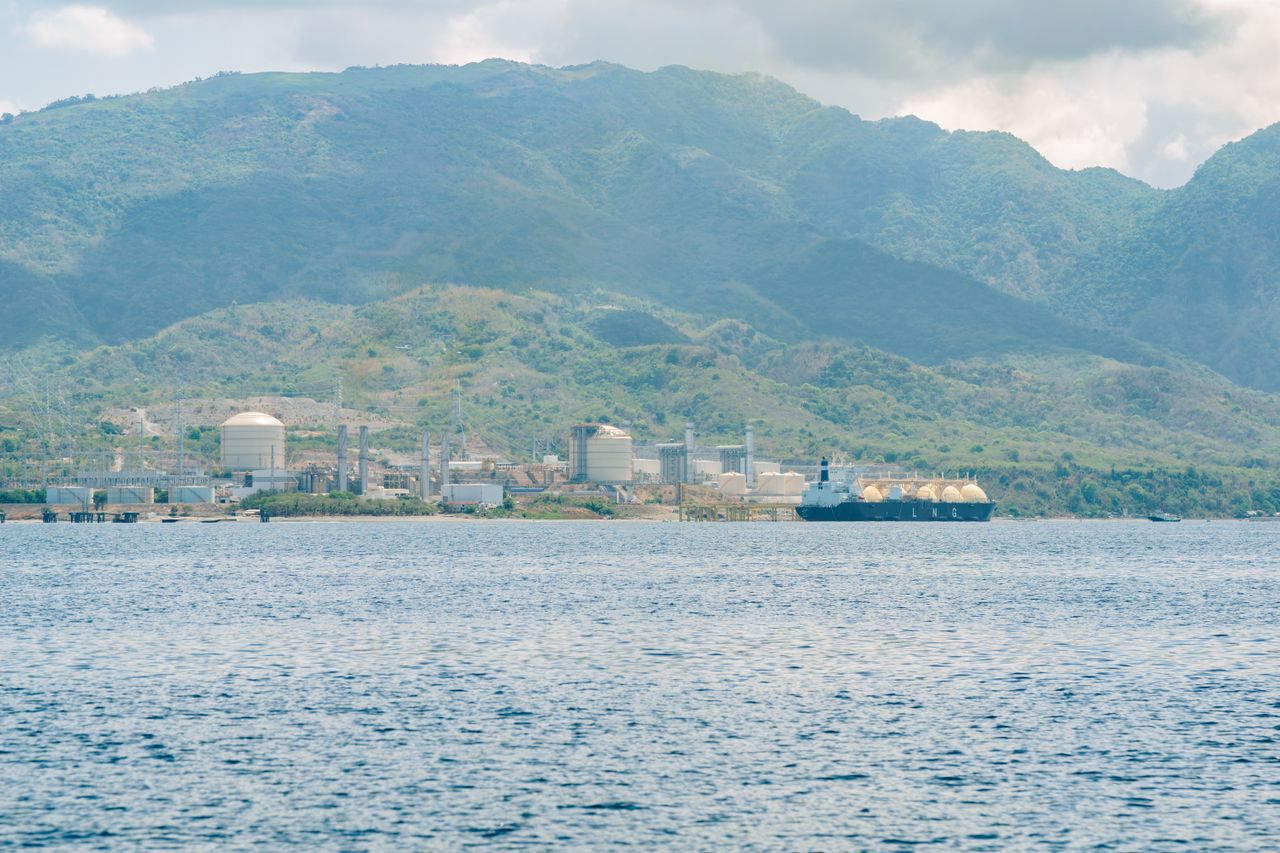
The project is currently about 40 percent complete, with more than 4,000 workers now mobilized on site, over 80 percent of them Mozambican nationals. The first development phase includes two liquefaction trains with a combined capacity of roughly 13 million tonnes of LNG per year, with first cargoes targeted for 2029. TotalEnergies estimates the Area 1 concession holds more than 60 trillion cubic feet of recoverable gas, of which 18 trillion cubic feet will be developed in this first phase, according to reporting from Ecofin Agency. Full build-out of the site could eventually push total capacity to between 43 and 50 million tonnes per year if additional liquefaction trains are added in later phases.
The restart has come at a cost. TotalEnergies now reports incremental costs of approximately $4.5 billion tied to the multi-year suspension, pushing total project investment above the original $20 billion, and the company has requested a ten-year extension of its production concession to account for the delay.
Rovuma LNG: The Even Larger Project on the Horizon
While Mozambique LNG has captured most of the recent headlines, the neighboring Rovuma LNG project led by ExxonMobil, with Italy’s Eni as co-operator, is planned at an even greater scale. The onshore development in Area 4 of the Rovuma Basin is designed for 18 million tonnes per annum at an estimated cost of $30 billion, which would make it the single largest LNG project in Africa by nameplate capacity, according to The Rio Times.
ExxonMobil lifted its own force majeure on Rovuma LNG on 20 November 2025, and Mozambique’s government is now pushing for a final investment decision, with a target framed around September 2026. President Chapo has publicly stated that construction on Rovuma LNG could begin within twelve to eighteen months of the January 2026 relaunch ceremony.
A Third Track: Eni’s Coral LNG
Mozambique’s LNG buildout is not limited to the two mega-projects. Eni’s Coral Sul floating LNG facility is already operational, and its follow-on Coral Norte LNG project, valued at roughly $7.2 billion, is set to begin construction, expected to lift the country’s export capacity to around 7 million tonnes per year by 2028. Together, these three tracks give Mozambique a diversified LNG development pipeline rather than a single point of failure, an important consideration for investors weighing country risk.
What This Means for Investors
Mozambique’s LNG restart is opening several distinct categories of investment opportunity, each tied to a different stage of project development.
Logistics, Supply Chain, and Local Content
With more than 4,000 workers now mobilized and construction ramping back up, TotalEnergies has already begun seeking logistics suppliers to support the restart, part of a broader local content push that the company has stated will bring lasting economic benefits to Mozambican people. This creates near-term opportunities in transport, port services, workforce housing, and industrial supply chains supporting the Afungi construction site.
Financing and Offtake Structures
Given the scale of capital involved, roughly $20 billion for Mozambique LNG and up to $30 billion for Rovuma LNG, financing structures, offtake agreements, and export credit arrangements represent a major opportunity for institutional investors and financial services firms. The original 2019 financing package for Mozambique LNG demonstrates the scale of appetite international lenders have shown for well-structured Mozambican gas assets.
Downstream Gas-to-Power and Domestic Industry
As LNG infrastructure matures, Mozambique’s own domestic gas-to-power sector stands to benefit substantially, supporting industrialization and reducing regional reliance on imported fuel. This downstream opportunity is likely to grow considerably once the primary export infrastructure comes fully online around 2029.
Yes! Invest Africa connects investors to this pipeline through its Energy & Oil investment vertical, providing access to commercially verified opportunities across Mozambique’s natural gas, LNG, and broader Southern Africa energy sector.
Managing the Risks
Frontier LNG development in Mozambique is not without genuine risk, and prudent investors should weigh it carefully. Security in Cabo Delgado has improved significantly, aided by the deployment of Rwandan forces around the Afungi site, but the underlying insurgency, while weakened, has not been fully resolved. Cost escalation is also a real factor, as TotalEnergies’ own $4.5 billion overrun demonstrates. Contractual structures, offtake agreements, and financing terms will need to account for extended timelines and elevated execution risk, a dynamic that rewards investors who enter through well-structured local partnerships rather than direct unassisted exposure.
Frequently Asked Questions
1. Why did Mozambique LNG stop construction, and why has it restarted now?
Construction was halted in 2021 after militant attacks in Cabo Delgado forced TotalEnergies to declare force majeure. Improved regional security, including the deployment of Rwandan forces, allowed the force majeure to be lifted in November 2025, leading to a full construction restart in January 2026.
2. How large is Mozambique’s natural gas reserve?
The Rovuma Basin holds an estimated 160 trillion cubic feet of discovered gas, making it one of the most significant LNG resource bases discovered globally in the past two decades.
3. When will Mozambique LNG start producing and exporting gas?
TotalEnergies is targeting first LNG cargoes around 2029, with the project currently about 40 percent complete as of early 2026.
4. What is the difference between Mozambique LNG and Rovuma LNG?
Mozambique LNG, operated by TotalEnergies, covers Area 1 of the Rovuma Basin and is valued at roughly $20 billion. Rovuma LNG, led by ExxonMobil with Eni as co-operator, covers the adjacent Area 4 and is planned at an even larger $30 billion, making it Africa’s biggest LNG project by capacity once built.
5. How can investors get involved in Mozambique’s LNG sector?
Most investors enter through project financing, logistics and local content partnerships, offtake agreements, or by working with an investment facilitation partner that provides due diligence, regulatory guidance, and introductions to vetted local operators and government stakeholders.
Position Your Capital in Africa’s Next LNG Powerhouse
Mozambique’s natural gas sector has moved from a stalled promise to an active, multi-billion-dollar construction site, backed by TotalEnergies, ExxonMobil, and Eni, and supported by a government determined to turn the Rovuma Basin’s reserves into lasting national prosperity. Investors who move now, across logistics, financing, and downstream gas infrastructure, are positioned to capture value as Mozambique’s LNG sector moves toward first production by the end of the decade.
Yes! Invest Africa connects institutional investors, private equity firms, and high-net-worth individuals with commercially verified natural gas and LNG opportunities across Mozambique and all five African regions. Request your free consultation today and let our team guide you from sector selection to market entry.